
Cyprus Crypto Banking Rules 2025: What You Need to Know
Explore Cyprus' crypto banking restrictions: key regulations, compliance steps, and future outlook for banks and crypto firms in 2025.
Read MoreWhen dealing with Cyprus AML crypto, the anti‑money‑laundering rules that govern crypto activity on the island. Also known as Cyprus crypto AML, it sits at the crossroads of Anti‑Money‑Laundering (AML), global rules that force financial services to spot and report illicit crypto moves and Cryptocurrency regulation, the set of laws that dictate how digital assets can be issued, traded and stored. The Cyprus Financial Intelligence Unit (FIU), the national watchdog that enforces AML compliance is the body that makes sure the rules stick.
Cyprus AML crypto isn’t just a checklist – it’s a living system that pulls in international standards. The EU Fifth AML Directive, for example, forces Cyprus to tighten customer‑due‑diligence for crypto wallets and exchanges. That means every platform must run real‑time transaction monitoring, flag large or unusual transfers, and file suspicious activity reports to the FIU. The FIU then cross‑checks these reports with the European AML database, creating a feedback loop that forces tighter controls. In practice, this translates to mandatory KYC on‑boarding, identity verification using government‑issued IDs, and ongoing risk assessment for high‑value accounts.
Crypto businesses also have to keep detailed logs of every blockchain address they deal with. The logs must include timestamps, counterparties, and the purpose of each transaction. If a user tries to move funds through a mixer or use privacy‑focused tokens, the platform is required to pause the transaction and seek clarification. Failure to comply can lead to hefty fines, loss of operating license, or even criminal charges for senior managers. The FIU’s enforcement track record shows that it’s quick to act against firms that skip the paperwork, so staying on top of reporting deadlines is non‑negotiable.
On the compliance side, many Cyprus‑based exchanges have turned to third‑party AML software that automates watch‑list screening and transaction risk scoring. These tools pull data from global sanction lists, politically exposed persons (PEP) databases, and even social‑media risk signals. By integrating such solutions, firms can quickly spot red flags and generate the mandatory SARs (Suspicious Activity Reports) without manual intervention. The result is a smoother user experience and a lower chance of regulatory blowback.
The articles you’ll find below cover a wide range of related topics – from Nepal’s crypto asset forfeiture rules to Australia’s new consumer‑protection framework, and from cross‑chain NFT marketplaces to detailed exchange reviews. Together they give you a practical sense of how different jurisdictions handle AML, what tools are out there to stay compliant, and which pitfalls to avoid when operating in or dealing with crypto assets under Cyprus AML crypto rules.
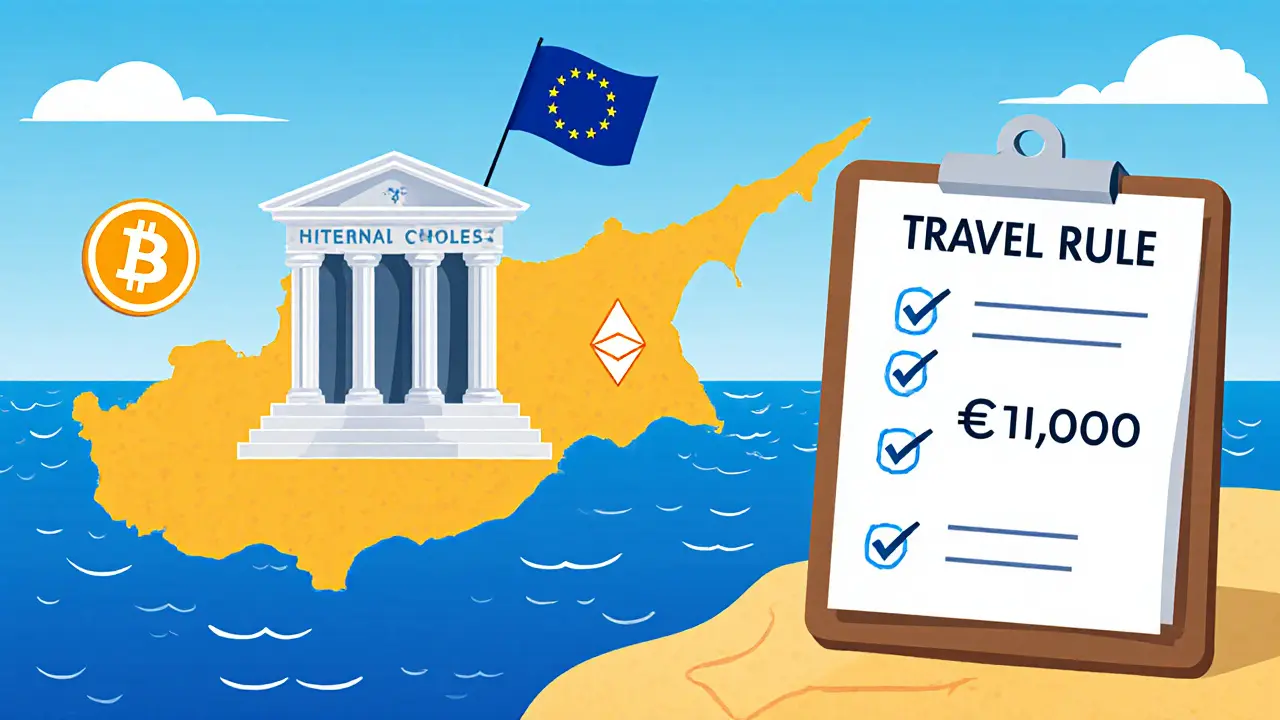
Explore Cyprus' crypto banking restrictions: key regulations, compliance steps, and future outlook for banks and crypto firms in 2025.
Read More