
2FA for Cryptocurrency Accounts: What It Is and How to Secure Your Crypto
Learn what 2FA for cryptocurrency accounts is, how it works, setup steps, best methods, backup strategies, and essential security tips to keep your crypto safe.
Read MoreWhen working with cryptocurrency Two-Factor Authentication (2FA), an extra security layer that asks for a second code after your password to open a crypto account. Also known as 2FA for crypto, it stops hackers from stealing your coins even if they guess or steal your password.
cryptocurrency 2FA is not a one‑size‑fits‑all tool; the most common method uses authentication apps, mobile programs that generate time‑based one‑time passwords (TOTPs). Apps like Google Authenticator or Authy create a new six‑digit code every 30 seconds, so a stolen password alone is useless. This simple code‑generation trick enhances exchange security and reduces phishing risk.
Most major exchanges now require hardware wallets, physical devices that store private keys offline, as a backup or secondary factor. While a hardware wallet keeps your keys off‑line, pairing it with 2FA adds another barrier: a hacker would need both the device and the second‑factor code. This double lock protects high‑value holdings and gives peace of mind when you move large sums.
Some users still rely on SMS verification, text messages that deliver a code to your phone. SMS is easy to set up, but it’s vulnerable to SIM‑swap attacks. If you choose SMS, always pair it with a strong, unique password and keep your phone’s operating system updated. In practice, authentication apps outperform SMS in speed and security, but both serve as a second line of defense.
Phishing attacks target crypto users by mimicking login pages and asking for the 2FA code. Because the code changes every few seconds, a phishing site can only grab it for a brief window. Using a dedicated authentication app instead of SMS cuts the attack surface, and many platforms now flag logins that bypass the app. This relationship between 2FA and phishing protection is why savvy traders always double‑check URLs before entering their code.
Implementing 2FA on an exchange usually follows three steps: enable the feature in account settings, scan the QR code with your authentication app, and store backup codes in a secure place. Backup codes act as a lifeline if you lose your phone or the app stops working. Write them down, keep them in a fire‑proof safe, or encrypt them in a password manager. Treat these codes like the private key to a vault – losing them can lock you out permanently.
Beyond the basics, many platforms now support advanced methods like push‑notification approvals or biometric prompts (fingerprint or face ID). Push notifications let you approve a login with a single tap, while biometrics add something you are to the “something you have” (the device) and “something you know” (the password). These options expand the ecosystem of 2FA tools and give you flexibility based on your device and risk tolerance.
For traders who operate on multiple exchanges, a consistent 2FA strategy saves time and reduces mistakes. Choose one authentication app that syncs across devices, store each exchange’s backup codes in the same secure vault, and periodically review your security settings. A regular audit helps you spot unused accounts, outdated recovery emails, or expired 2FA methods before they become a problem.
In short, cryptocurrency 2FA is the foundation of a safe trading routine. Below you’ll find a curated set of articles that break down exchange reviews, real‑world security incidents, and step‑by‑step guides to lock down your crypto life. Dive in to see how each tip fits into the bigger picture of protecting your digital wealth.
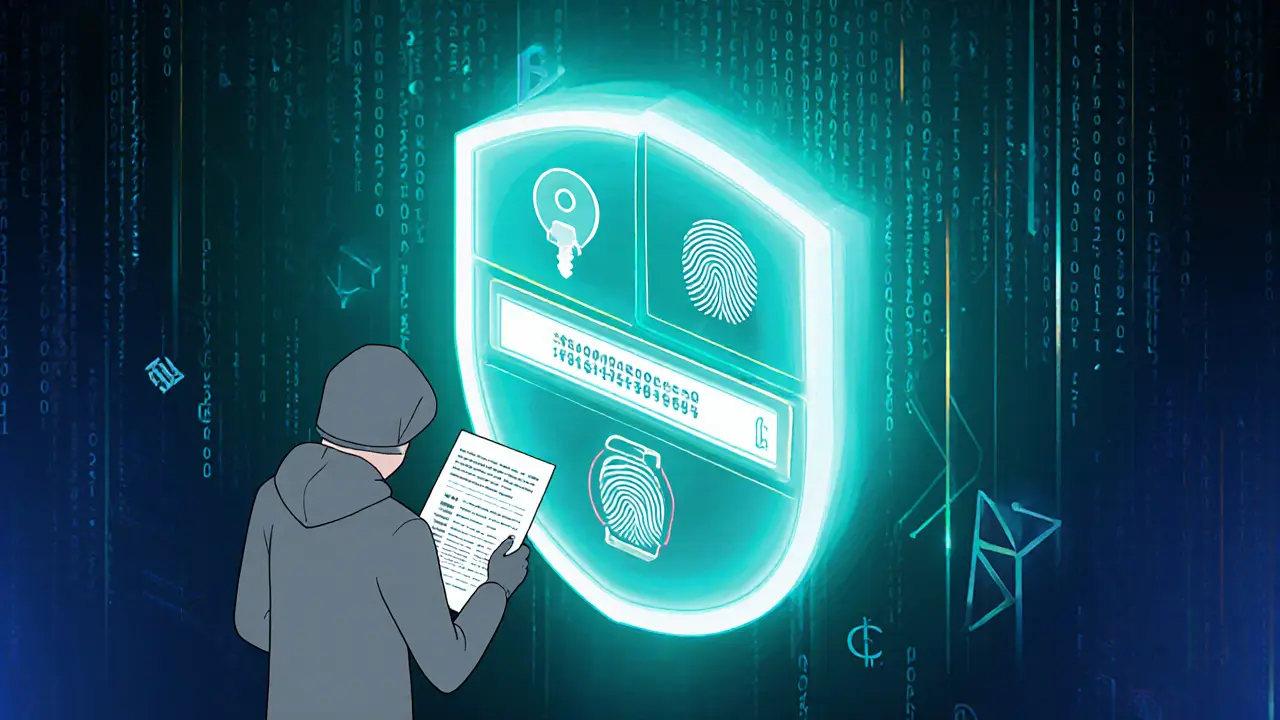
Learn what 2FA for cryptocurrency accounts is, how it works, setup steps, best methods, backup strategies, and essential security tips to keep your crypto safe.
Read More