
Travel Rule for Crypto Transactions: Complete 2025 Guide
Learn what the Travel Rule is, who must follow it, data requirements, global implementation, and how crypto businesses can stay compliant in 2025.
Read MoreWhen dealing with crypto transactions, the movement of digital assets between wallets, platforms, or users on a blockchain network. Also known as digital transfers, they form the backbone of every crypto activity you see online.
One of the biggest drivers of transaction volume is the crypto exchange, a platform where you can buy, sell, or swap coins. Exchanges set the fee structure, enforce security checks, and often dictate how quickly a trade settles. If an exchange charges high fees, traders might look for cheaper alternatives or use peer‑to‑peer routes, which changes the overall cost landscape.
Another piece of the puzzle is the airdrop, a free token distribution that spikes transaction counts for a short period. Airdrops motivate users to move tokens to claim rewards, which can temporarily inflate network activity and affect fee dynamics.
Behind all of this sits the blockchain, the immutable ledger that records each transaction. Its consensus algorithm determines how quickly a transaction is confirmed and how safe it is from tampering. Faster chains like Solana reduce waiting time, while more secure but slower chains like Bitcoin increase finality assurance.
For seasoned traders, margin trading adds a layer of complexity to transactions. Borrowed funds mean you’re moving larger sums than your balance, which amplifies both profit potential and risk. Effective margin strategies require careful monitoring of fee rates, liquidation thresholds, and regulatory limits.
Regulation also shapes how transactions happen. Countries that impose strict KYC/AML rules can block certain wallet addresses or require exchanges to suspend services, which in turn forces users to find compliant pathways. When a jurisdiction tightens rules, you’ll often see a shift toward decentralized platforms that claim to be permission‑less.
Security is another non‑negotiable factor. Using hardware wallets, enabling two‑factor authentication, and verifying contract addresses all protect your transactions from hacks. A single slip—like sending funds to a wrong address—can be irreversible, making diligence a habit rather than an afterthought.
Every transaction you make leaves a trace on the public ledger, which analysts can use to gauge market sentiment. High‑volume transfers to exchange wallets usually signal upcoming sell pressure, while inbound flows to cold storage might indicate long‑term holding intentions.
Below you’ll find a curated list of articles that dive deeper into each of these topics—exchange reviews, airdrop guides, margin strategies, and more—so you can sharpen your understanding of crypto transactions and apply the right tactics to your own trading game.
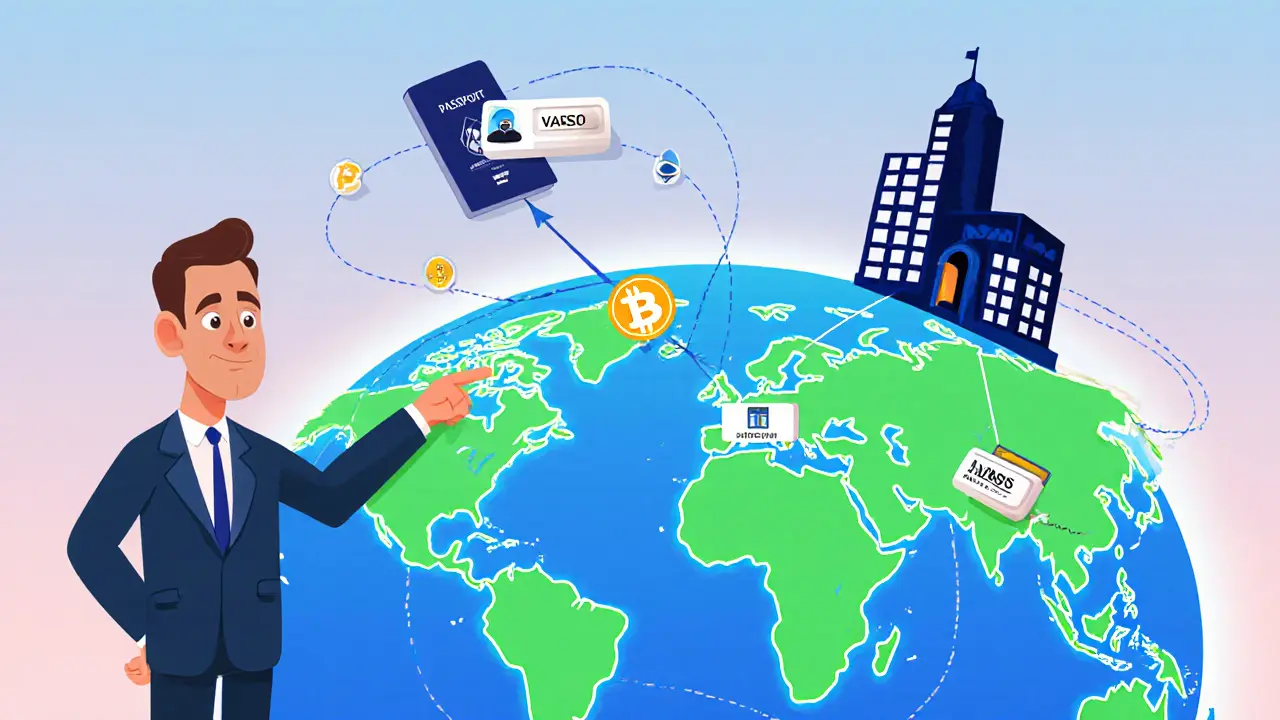
Learn what the Travel Rule is, who must follow it, data requirements, global implementation, and how crypto businesses can stay compliant in 2025.
Read More