
Cyprus Crypto Banking Rules 2025: What You Need to Know
Explore Cyprus' crypto banking restrictions: key regulations, compliance steps, and future outlook for banks and crypto firms in 2025.
Read MoreWhen you send crypto, you might think it’s just a digital transfer—but in many places, that transaction is crypto transaction restrictions, rules imposed by governments or platforms that limit how, when, and where you can move cryptocurrency. Also known as crypto compliance barriers, these restrictions can shut down your wallet, block your exchange, or even trigger asset seizures. It’s not about technology—it’s about law, geography, and who controls the system.
These restrictions don’t apply evenly. In China, a complete ban on crypto trading and mining has pushed activity underground, with $86 billion still moving through P2P networks despite the risks. Meanwhile, Nepal, uses its Muluki Criminal Code to seize crypto assets outright, treating them as illegal property under anti-money laundering laws. Even places like Australia and India don’t ban crypto—they just make it harder. Australia now forces exchanges to hold licenses under ASIC crypto regulation, a framework that demands strict customer verification and reporting to AUSTRAC. In India, you pay up to 30% in taxes on every trade, and failing to report can mean fines or jail.
Some platforms claim to be decentralized, but they still block users. dYdX, a derivatives exchange that markets itself as permissionless, restricts users from over 50 countries based on OFAC sanctions or local licensing rules. Why? Because even decentralized tech needs to work with banks, payment processors, and regulators—or it gets shut down. The same goes for exchanges like Upbit Indonesia, MorCrypto, or JPEX, where compliance failures led to shutdowns or scandals. If you’re trading in a restricted region, you’re not just dodging rules—you’re risking your funds.
What’s next? Countries are tightening controls, not loosening them. Syria got limited relief under OFAC sanctions, but only for specific humanitarian uses. Nepal’s asset forfeiture laws are being enforced more aggressively. And in places like Turkey and Hong Kong, regulators are cracking down on unlicensed platforms, leaving traders with no recourse when exchanges vanish. You can’t ignore this. Whether you’re holding Bitcoin, trading NFTs, or farming airdrops, your location determines your freedom. The tools are global—but the rules are local.
Below, you’ll find real-world breakdowns of how these restrictions play out—from banned countries and seized wallets to legal loopholes and safer alternatives. No theory. No fluff. Just what’s actually happening—and what you can do about it.
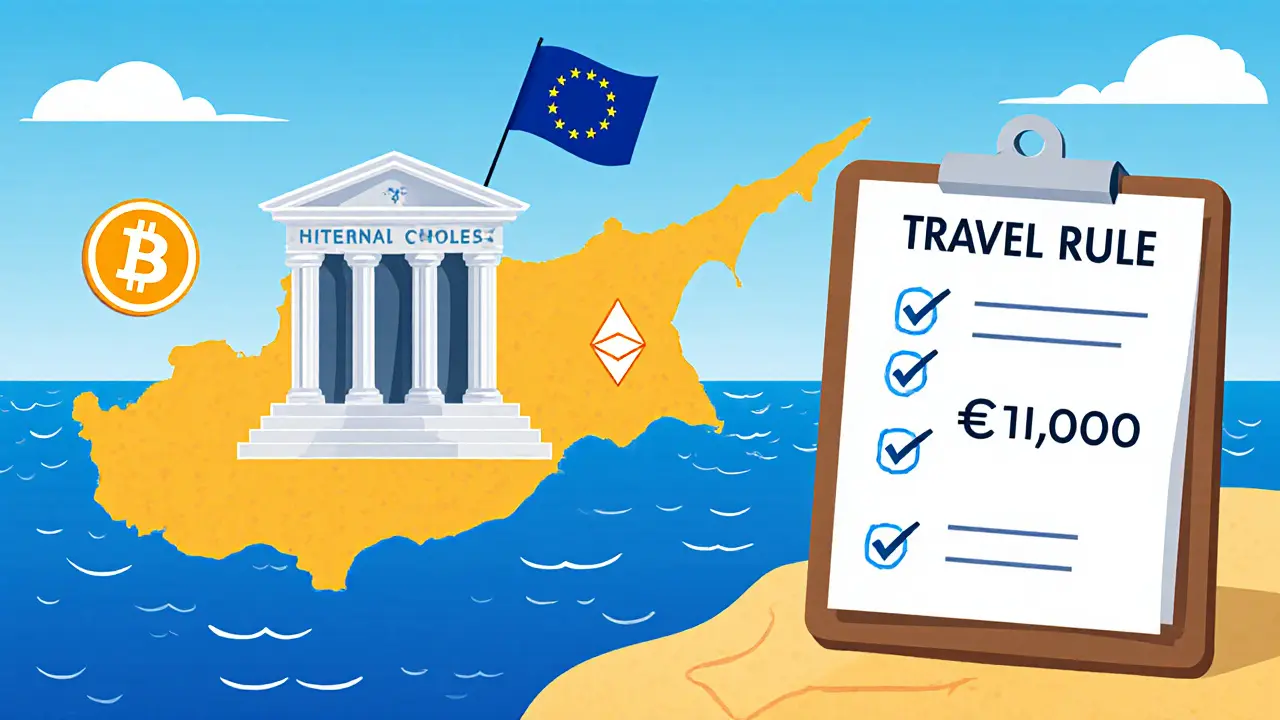
Explore Cyprus' crypto banking restrictions: key regulations, compliance steps, and future outlook for banks and crypto firms in 2025.
Read More