
BitParax Exchange Review: Risks of an Unreachable Crypto Platform
A detailed review of BitParax Exchange, its shutdown, risks of unregulated crypto platforms, and how to choose a safe exchange.
Read MoreWhen dealing with Crypto Platform Shutdown, the abrupt closure of a cryptocurrency exchange or service, often driven by legal, security, or financial failures. Also known as exchange closure, it usually signals deeper issues that can affect user funds and market confidence.
One of the most common culprits is the Crypto Exchange, a digital marketplace where users buy, sell, or trade crypto assets. When an exchange faces liquidity shortages, hacks, or non‑compliance, regulators may step in, leading to a shutdown. Recent posts on our site, like the AOFEX review, highlight how red flags such as opaque ownership or fake audit reports can precede a collapse.
A Regulatory Crackdown, government or supervisory action that forces a platform to halt operations often follows suspicious activity. For example, dYdX’s country bans show how compliance demands can trigger service blocks even on allegedly decentralized platforms. When regulators issue cease‑and‑desist orders, exchanges must freeze withdrawals, freeze trading, and sometimes file for bankruptcy.
Another layer of risk involves the Platform Token, the native cryptocurrency issued by an exchange to incentivize trading or governance. If the parent exchange shuts down, the token’s utility evaporates, and its price can crash. Our "Investing in Platform Tokens" guide explains why these tokens carry heightened volatility during a shutdown scenario.
Scam alerts often surface after a shutdown is announced. Fraudsters may impersonate the platform, offering fake refunds or claiming to sell assets at a discount. The JPEX scandal case is a textbook example: users were lured into a recovery scheme that turned out to be another con. Recognizing these tricks helps protect your assets when a platform disappears.
Beyond the immediate loss of access, a shutdown can ripple through the broader crypto ecosystem. Liquidity dries up, price slippage spikes, and related tokens may suffer collateral damage. Traders who rely on margin or leverage—like those following our margin trading strategies—must quickly adjust positions to avoid liquidation.
For anyone holding assets on a vulnerable exchange, a few practical steps can reduce exposure: regularly withdraw to a personal wallet, monitor regulatory news, and stay informed about platform health through independent reviews. Our exchange reviews (MorCrypto, Coinmetro, OSL) provide concrete checklists to gauge safety before you deposit.
In the articles below you’ll find deep dives into specific platform failures, detailed risk assessments, and actionable tips to safeguard your portfolio. Whether you’re curious about why AOFEX collapsed, how dYdX handles geographic restrictions, or what to watch for in emerging platform tokens, this collection equips you with the knowledge to act fast when a shutdown looms.
Ready to explore the full range of insights? Keep scrolling to discover each case study, warning signs, and recovery strategies that can make the difference between a smooth exit and a costly loss.
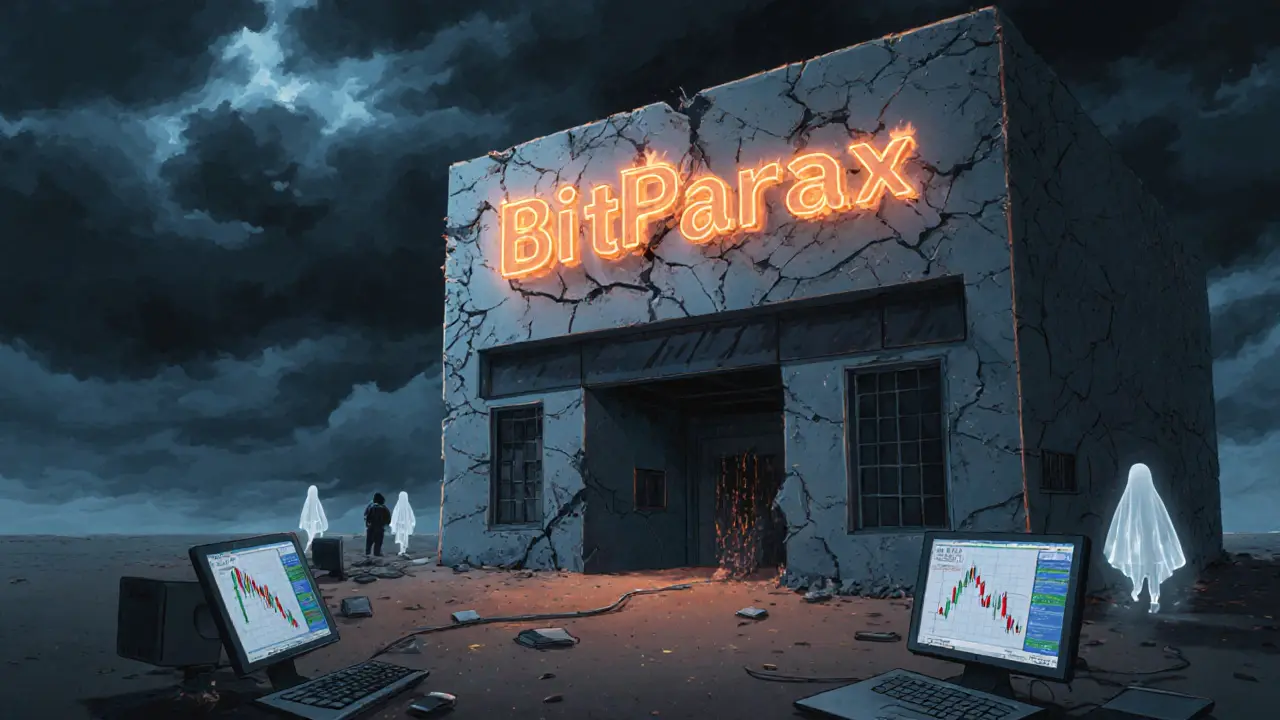
A detailed review of BitParax Exchange, its shutdown, risks of unregulated crypto platforms, and how to choose a safe exchange.
Read More