
2022 Kosovo Crypto Mining Ban: Why It Happened and What It Means
Explore why Kosovo banned crypto mining in 2022, how the ban was enforced, its impact, and what the future may hold for renewable‑powered mining.
Read MoreWhen dealing with crypto mining legislation, the set of laws and regulations that govern digital‑currency mining activities, location choices, reporting duties, and energy use limits. Also known as mining regulation, it directly influences profitability, legal risk, and the environmental footprint of miners worldwide. At the same time, anyone involved in cryptocurrency mining, the process of securing blockchain networks by solving complex computational puzzles and earning new coins must keep an eye on how legislation shapes the cost of electricity, equipment import duties, and permissible hash‑rate levels. In short, crypto mining legislation determines not only whether a mining operation can exist, but also how efficiently it can run within a given jurisdiction.
The first pillar is environmental compliance, rules that require miners to monitor emissions, manage waste heat, and often obtain green‑energy certifications. Many countries tie compliance to tax incentives, so the second pillar—tax policy, the framework that dictates how mining revenue is assessed, reported, and taxed at corporate or personal levels—becomes a crucial cost factor. A third pillar involves government policy, broader strategic decisions, such as bans on proof‑of‑work, licensing requirements, and cross‑border data sharing agreements. Together these elements create a chain of influence: government policy sets the tone, environmental compliance enforces sustainable practices, and tax policy determines the bottom‑line impact. For miners, navigating this triad means constant monitoring of legal updates, adjusting hardware deployments, and sometimes relocating operations to more favorable jurisdictions.
Understanding how these legislative strands intertwine helps investors spot risk, guides operators in building compliant infrastructure, and lets regulators craft balanced rules that protect the environment without stifling innovation. Below you’ll find a curated collection of articles that break down specific laws, compare regional approaches, and offer practical steps for staying ahead of the regulatory curve. Whether you’re a seasoned miner, a new entrant, or just curious about the policy landscape, the pieces that follow will give you concrete insights to act on.
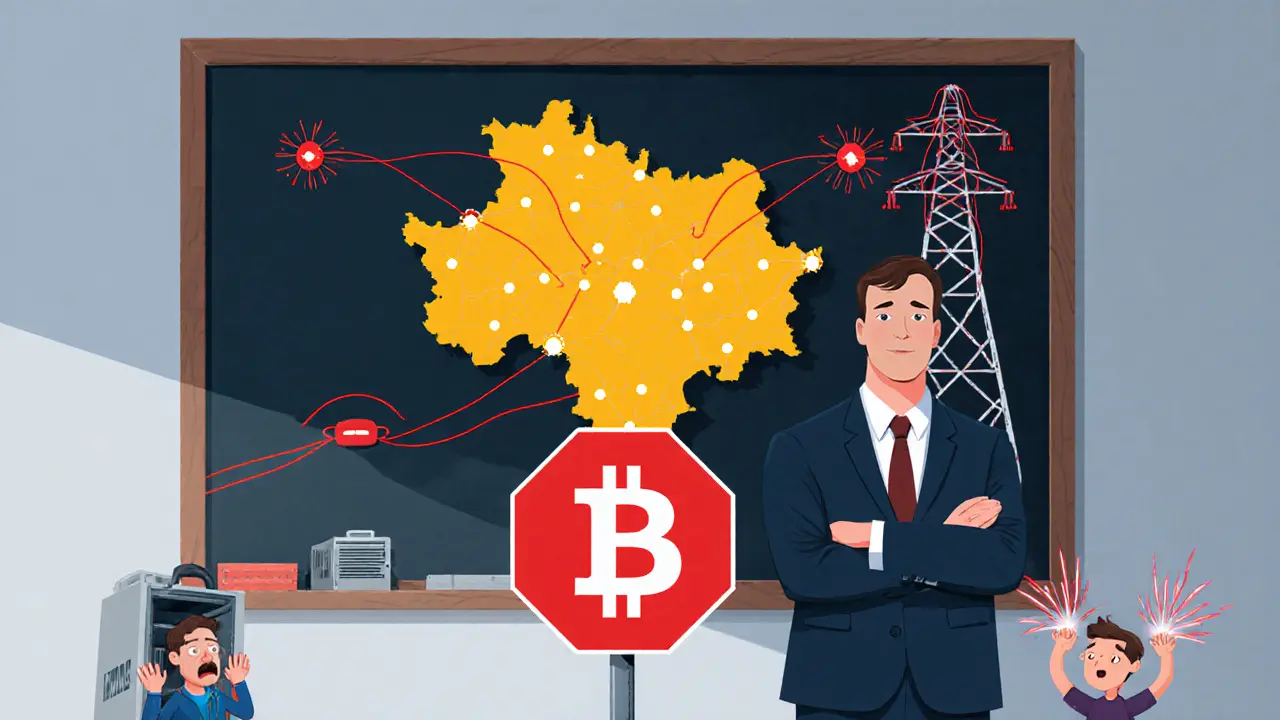
Explore why Kosovo banned crypto mining in 2022, how the ban was enforced, its impact, and what the future may hold for renewable‑powered mining.
Read More