
Hologo Crypto Exchange Review: Features, Security, Fees & User Experience
A comprehensive review of Hologo crypto exchange covering security, fees, supported assets, user experience, and regulatory standing for traders in 2025.
Read MoreWhen dealing with crypto fees, the costs you pay to move, trade, or withdraw digital assets, it's easy to get lost in the details. Exchange fees are the charges platforms levy per trade, while network fees cover the miner or validator costs for confirming transactions on a blockchain. Withdrawal fees are what you pay to move crypto off an exchange to a personal wallet. Understanding these three components helps you compare offers, calculate true costs, and avoid surprise charges that can eat into profits.
Crypto fees affect every trader because they directly cut into your bottom line. A typical exchange uses a maker/taker model where makers add liquidity and pay lower rates, while takers remove liquidity and pay higher rates. This model influences how you design your order strategy—limit orders can become cheaper makers, market orders turn you into takers. Many platforms also apply tiered pricing, rewarding higher volume traders with reduced percentages. Knowing the maker/taker split and tier thresholds lets you plan trades that minimize fees and maximize net gains.
Even if you grasp the basics, the real challenge is sifting through dozens of exchanges to find the best overall cost. Fee comparison tools aggregate data on exchange, network, and withdrawal fees, letting you spot hidden charges before you sign up. These tools often display maker/taker spreads, deposit limits, and any promotional discounts, giving a fuller picture than a single fee table. When you use a comparison platform, you can quickly answer questions like: Which exchange offers the lowest maker fee for BTC/USDT? Which network has the cheapest gas price for ERC‑20 tokens right now? The answer guides you toward the most cost‑effective route for each trade.
Beyond raw numbers, fee structures tie into broader trading considerations. Some exchanges waive withdrawal fees for certain stablecoins, while others charge a flat rate regardless of amount. Network congestion can spike gas fees dramatically, turning a cheap trade into an expensive one within minutes. By tracking both exchange and network fees, you can decide whether to trade on‑chain or keep the activity off‑chain using layer‑2 solutions that lower gas costs. This interplay shows why crypto fees are not a static figure but a dynamic set of variables you must monitor.
In practice, seasoned traders build a personal fee matrix: they list their favorite assets, note the maker/taker percentages on their primary exchange, and record typical network fees for peak and off‑peak times. They then use this matrix to calculate the true cost of each potential trade before execution. If the combined cost exceeds a certain threshold, they might switch to a different platform or adjust the trade size. This habit turns fee awareness into a tangible strategy, preserving more capital for future opportunities.
Below you’ll find a curated collection of articles that dive deeper into each fee type, compare major exchanges, and share tips on how to keep your costs low. Whether you’re new to crypto trading or looking to fine‑tune an existing strategy, the posts ahead will give you actionable insights to master crypto fees and protect your profits.
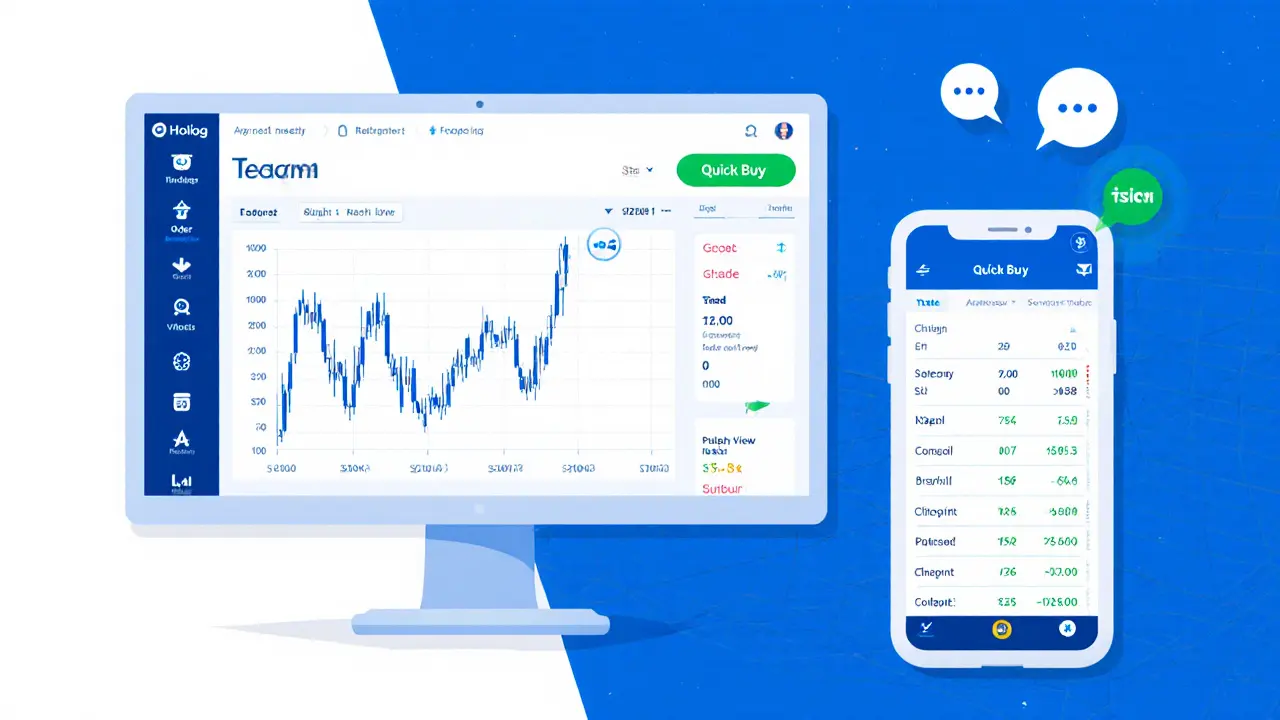
A comprehensive review of Hologo crypto exchange covering security, fees, supported assets, user experience, and regulatory standing for traders in 2025.
Read More