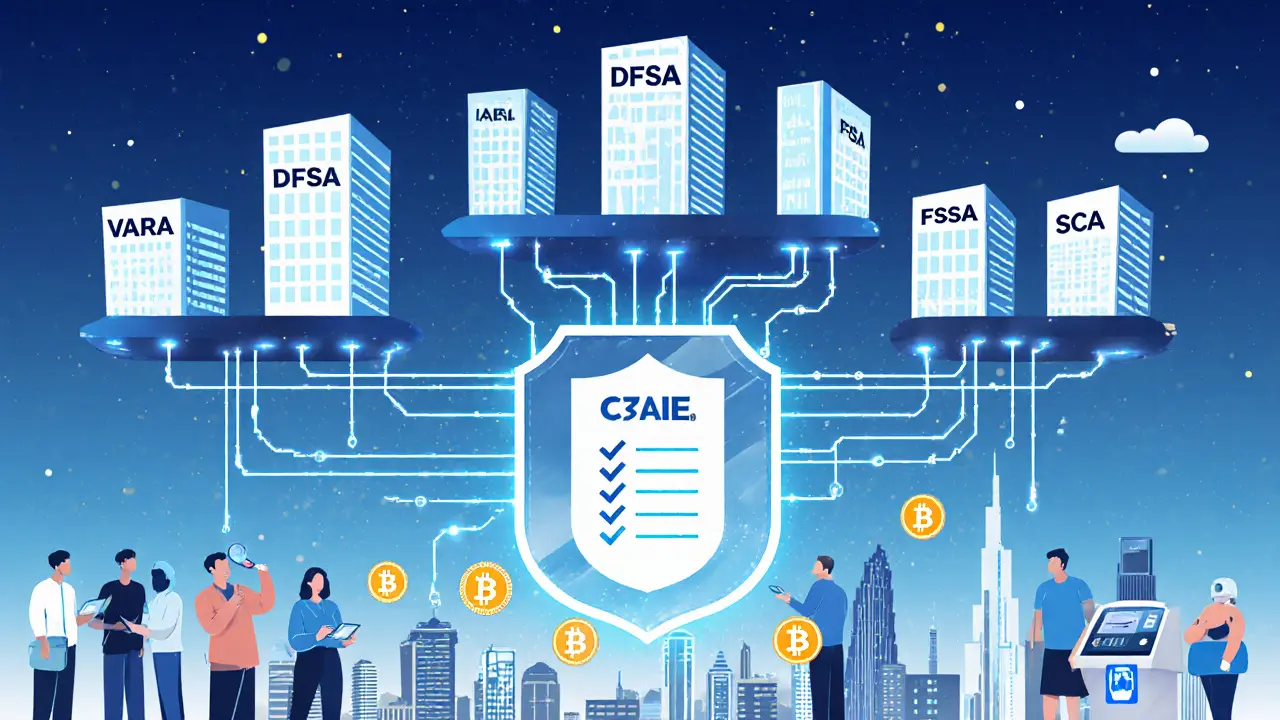
Bitcoin UAE: What You Need to Know About Bitcoin in the United Arab Emirates
When you think about Bitcoin UAE, the growing adoption of Bitcoin in the United Arab Emirates as a digital asset for payments, investments, and remittances. Also known as Bitcoin in Dubai, it's not just a trend—it's becoming part of everyday finance for locals and expats alike. The UAE doesn’t ban Bitcoin. In fact, it’s one of the few countries in the Middle East that actively encourages crypto innovation, especially in Dubai and Abu Dhabi. You’ll find ATMs, merchant payments, and even crypto-friendly banks that let you buy Bitcoin with dirhams.
But here’s the catch: crypto regulations UAE, the legal framework governing cryptocurrency use, trading, and taxation in the United Arab Emirates are strict, and they change fast. The UAE’s Virtual Assets Regulatory Authority (VARA) and the Central Bank monitor every exchange, wallet, and transaction. If you’re trading Bitcoin here, you need to use a licensed platform—like Kyrrex or BitOasis—not some offshore site with no oversight. And yes, taxes apply. Capital gains on Bitcoin are currently untaxed, but that could change as the UAE aligns with global standards under MiCA.
What about crypto exchanges UAE, licensed platforms where users in the United Arab Emirates can buy, sell, and store Bitcoin and other digital assets? Most of the big names—Kraken, Binance, Coinbase—are either restricted or operate under special licenses. That’s why local platforms like BitOasis and Rain are so popular. They support AED deposits, offer simple interfaces, and comply with local AML rules. But don’t be fooled by fake exchanges like Bitcoin.me or 99Ex. They’re scams, and they target UAE users just like everywhere else.
And then there’s Bitcoin legality UAE, the official stance of the United Arab Emirates government on the use, ownership, and trading of Bitcoin as a digital asset. It’s legal to hold and trade Bitcoin. You can even use it to pay for goods at some restaurants and car dealerships in Dubai. But you can’t use it as official currency. The dirham still rules. And if you’re sending Bitcoin across borders, you’re subject to anti-money laundering checks. No anonymous transfers. No unregistered wallets.
Most people in the UAE aren’t mining Bitcoin. They’re buying it. Whether it’s for long-term savings, hedging against inflation, or just getting into crypto without the hassle of global exchanges, Bitcoin offers a real alternative. And with the UAE pushing for Web3 hubs and digital asset licenses, the ecosystem is only growing.
What you’ll find below isn’t just a list of articles—it’s a real-world guide to what’s working, what’s risky, and what’s outright dangerous when it comes to Bitcoin in the UAE. From exchange reviews that actually matter, to scams that target expats, to how regulation shapes your choices—every post here is pulled from real user experiences and current market data. No fluff. No hype. Just what you need to know before you trade, invest, or even just hold Bitcoin in the UAE.
The UAE has built one of the world's clearest crypto frameworks for Bitcoin and altcoins. Learn how licensing, taxes, and regulations work in 2025-and why it's attracting global crypto businesses.
Read More