
Understanding Cryptocurrency Futures: How They Work, Benefits & Risks
Learn what cryptocurrency futures are, how they work, their benefits, risks, and how to start trading them with real‑world examples and practical tips.
Read MoreWhen working with Bitcoin futures, contracts that let you bet on the future price of Bitcoin without owning the coin. Also known as BTC futures, they are a type of crypto derivatives, financial products that derive value from underlying crypto assets. Trading them typically requires a margin account, a brokerage setup that lets you borrow funds to amplify exposure and you’ll access the contracts through exchange platforms, regulated venues that list futures contracts and provide clearing services. If you’re looking to master Bitcoin futures trading, you’re in the right spot.
Bitcoin futures encompass several key attributes that shape how traders use them. First, each contract has a set expiry date—weekly, monthly or quarterly—and settles either in cash or in actual Bitcoin, which affects tax treatment and liquidity. Leverage is the second attribute; most platforms offer 5x to 100x, meaning a small price move can swing your position dramatically. That power comes with risk, so effective margin management—setting stop‑loss orders, monitoring position size, and maintaining required collateral—is essential. Technical analysis tools such as moving averages, volume profiles, and order‑book heat maps help predict price direction, while fundamentals like on‑chain activity, network upgrades, and macro news influence the underlying spot market. Because futures are settled on exchange platforms, the quality of those platforms—security protocols, insurance funds, and latency—directly impacts trade execution and safety. Understanding the interaction between contract specs, leverage, and platform reliability gives you a solid foundation for building profitable strategies.
The articles below dive deep into everything a futures trader needs. You’ll find exchange reviews that compare fees, security, and user experience for platforms that list Bitcoin futures. There are detailed breakdowns of margin‑trading strategies, risk‑management checklists, and case studies on how market events moved futures prices. We also cover related topics like crypto‑derivative regulations, airdrop alerts that can affect market sentiment, and regional restrictions that some platforms impose. Browse through the list to sharpen your knowledge, pick the right broker, and start applying the tactics that work in real‑world trading.
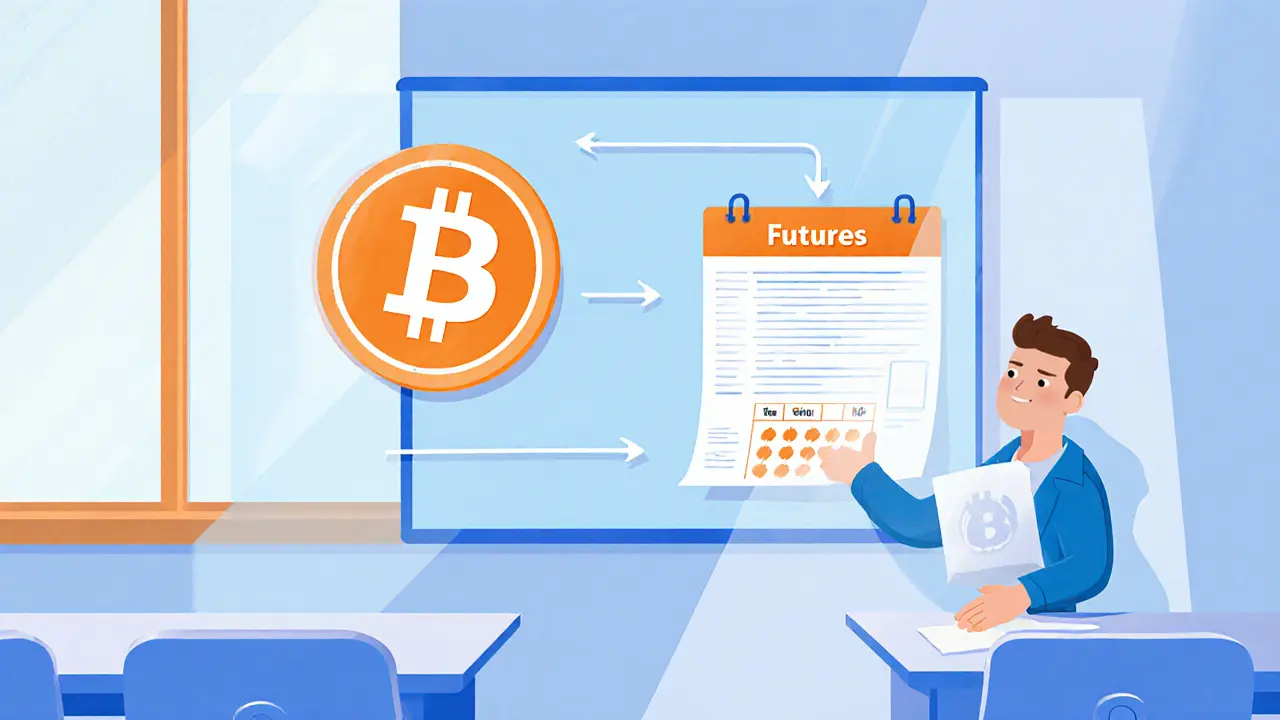
Learn what cryptocurrency futures are, how they work, their benefits, risks, and how to start trading them with real‑world examples and practical tips.
Read More