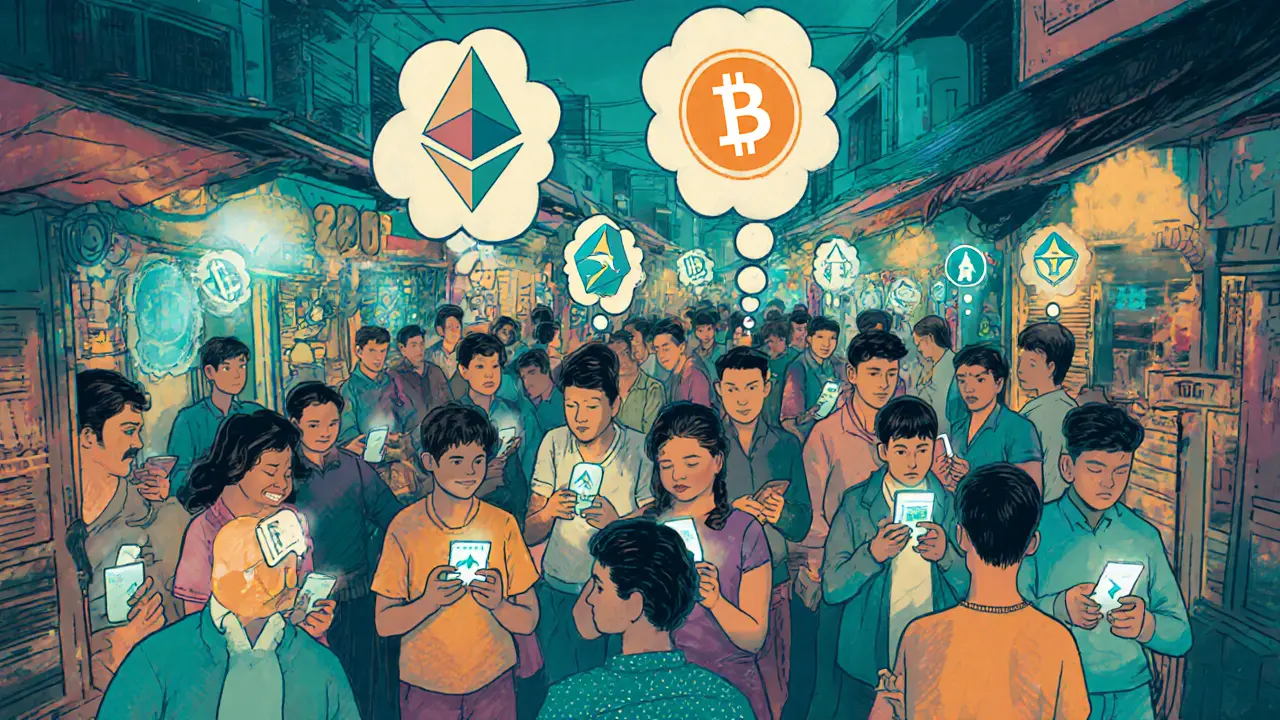
Bangladesh Cryptocurrency Regulation
When talking about Bangladesh cryptocurrency regulation, the set of rules issued by the government and the central bank that govern how digital assets can be created, traded, and used in Bangladesh. It’s also referred to as crypto policy in Bangladesh. This framework determines what projects can launch, which platforms can operate, and how users must verify their identity.
One of the key players is the Bangladesh Central Bank, the monetary authority that issues licensing guidelines for crypto exchanges and monitors compliance with anti‑money‑laundering (AML) standards. Another important entity is crypto exchanges, online platforms that match buyers and sellers of digital currencies and must register with the central bank to operate legally. The regulation also forces these platforms to adopt AML/KYC requirements, procedures that verify users’ identities and track suspicious transactions to prevent illicit finance. Finally, digital assets, including cryptocurrencies, tokens, and blockchain‑based financial products, are classified under the new asset‑class guidelines that affect taxation and reporting.
How the pieces fit together
Bangladesh cryptocurrency regulation encompasses AML/KYC requirements, which means every exchange must collect valid ID documents before allowing trades. The Bangladesh Central Bank enforces licensing for crypto exchanges, so only vetted platforms can offer services, and those platforms must follow the AML/KYC procedures. This regulatory framework influences investor confidence because clear rules reduce the risk of sudden shutdowns. At the same time, the policy encourages legitimate innovation by giving developers a roadmap for compliant token launches.
For anyone looking to trade or launch a project in Bangladesh, the takeaway is simple: check the central bank’s licensing list, verify that the exchange you plan to use follows AML/KYC protocols, and stay updated on any tweaks to the digital asset tax code. Below you’ll find a curated set of articles that break down each of these elements, offer step‑by‑step guides, and share real‑world examples of how businesses navigate the evolving landscape.
Over 600,000 Bangladeshis trade on Binance despite a total crypto ban. This article explores the legal backdrop, how users bypass restrictions, risks, expert views, and future policy outlook.
Read More