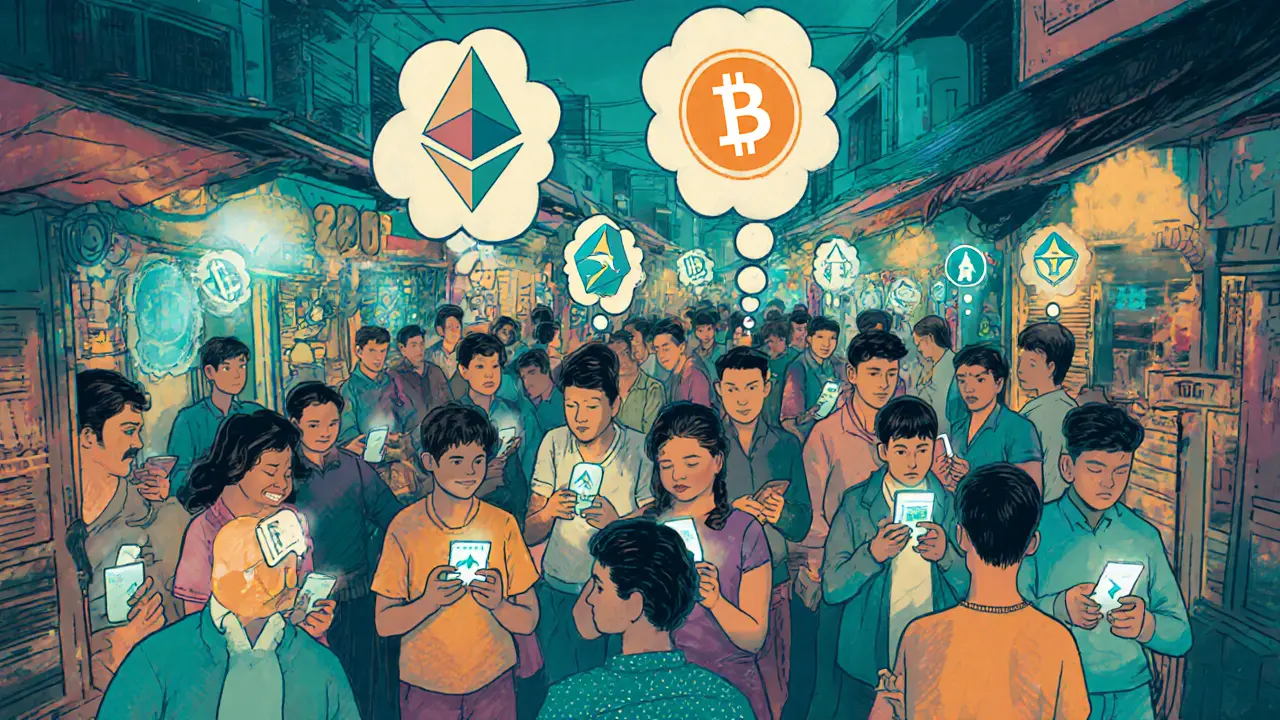
Bangladesh crypto ban: What you need to know
When talking about Bangladesh crypto ban, a government‑imposed restriction that makes buying, selling, or using digital assets illegal for residents of Bangladesh. Also known as Bangladesh cryptocurrency prohibition, it aims to curb perceived financial risks and protect consumers from fraud.
The broader landscape is shaped by cryptocurrency regulation, laws and guidelines that governments apply to digital assets. Those rules directly dictate how crypto exchanges, online platforms that let users trade, deposit, and withdraw cryptocurrencies can operate inside a jurisdiction. When a ban hits, exchanges scramble to block local IPs, freeze accounts, and remove Bangladeshi users from their KYC lists – a reality mirrored in China’s underground trading scene and Kosovo’s mining curtailment. At the same time, the ban raises questions about financial inclusion, the ability of unbanked populations to access affordable financial services through technology. Proponents argue that restricting crypto protects vulnerable users, while critics say it cuts off a cheap, border‑less payment layer that could boost remittances and small‑business growth. Underlying all of this is blockchain, the distributed ledger technology that powers cryptocurrencies and many decentralized finance applications, which continues to evolve despite local prohibitions.
Why the ban matters for traders and investors
In practice, the Bangladesh crypto ban forces anyone inside the country to seek VPNs, peer‑to‑peer platforms, or offshore services to stay in the market – a path fraught with legal risk and higher transaction costs. This mirrors the underground crypto trading in China, where $86 billion in volume still flows through P2P channels despite a hard stance. For exchange reviewers on Trading Living, the ban highlights why security, licensing, and compliance are non‑negotiable features. Our recent MorCrypto and Coinmetro reviews, for example, stress fee transparency and regulatory alignment as key safety nets. Airdrop alerts, such as the Bit2Me B2M giveaway or the Scaleswap SCA distribution, also lose relevance for Bangladeshi users when the ban blocks access to the required platforms. Bangladesh crypto ban therefore isn’t just a headline; it reshapes the entire ecosystem, from how traders manage risk to how developers think about cross‑border token utility.
What you’ll discover in the articles below is a mix of practical exchange reviews, real‑world case studies of bans in other nations, and actionable tips on staying compliant while exploring crypto opportunities. Dive in to see how the global crypto community reacts to regulatory moves and what strategies can keep you ahead of the curve.
Over 600,000 Bangladeshis trade on Binance despite a total crypto ban. This article explores the legal backdrop, how users bypass restrictions, risks, expert views, and future policy outlook.
Read More