A7A5 stablecoin – Everything You Need to Know
When talking about A7A5 stablecoin, a digital asset designed to keep its value pegged to a stable reference, usually a fiat currency like the US dollar. Also known as A7A5 USD‑pegged token, it aims to provide low‑volatility trading and payments on blockchain networks.
Stablecoins in general (stablecoin, cryptocurrencies that use collateral, algorithmic controls, or other mechanisms to maintain a fixed price) rely heavily on the underlying blockchain, a decentralized ledger that records transactions transparently and immutably. In the world of Decentralized Finance (DeFi), they enable lending, borrowing, and stable trading pairs without traditional banks. Meanwhile, regulation, government policies that define how crypto assets are treated legally shapes how projects like A7A5 can launch and operate.
A7A5 stablecoin A7A5 stablecoin encompasses algorithmic collateral mechanisms, which means its peg is backed by smart‑contract‑controlled assets rather than a single bank account. The token requires robust oracles to fetch real‑time price data, so accurate feeds are critical for maintaining stability. Adoption of any stablecoin requires clear regulatory guidance; without it, exchanges may limit listings and users could face compliance hurdles. DeFi platforms leverage stablecoins for liquidity, enabling traders to move in and out of volatile assets without exiting the ecosystem.
Key Features and Real‑World Use Cases
First, the peg mechanism: A7A5 uses a hybrid model that combines over‑collateralization with algorithmic supply adjustments, aiming for a tighter 1:1 ratio with the US dollar. Second, cross‑chain compatibility: the token is deployed on Ethereum and a layer‑2 solution, allowing cheap, fast transfers for everyday payments. Third, auditability: on‑chain transparency lets anyone verify reserve balances, a feature that builds trust among institutional users.
In practice, merchants can accept A7A5 for goods and services, knowing price volatility is minimal. Traders on margin platforms use it as a stable borrowing asset, reducing liquidation risk. Stablecoin‑based savings accounts on DeFi protocols offer yields that outpace traditional banks, though they come with smart‑contract risk.
Looking ahead, regulators worldwide are drafting stablecoin frameworks that could affect A7A5’s ability to operate in certain jurisdictions. Compliance costs, reporting requirements, and licensing will influence which exchanges list the token and how users can move it across borders.
Below you’ll find a curated set of articles that dive deeper into exchange reviews, airdrop opportunities, and market analysis—all relevant to anyone interested in using or investing in A7A5 stablecoin. Explore the collection to see how stability, blockchain tech, and regulation intersect in the fast‑moving crypto space.
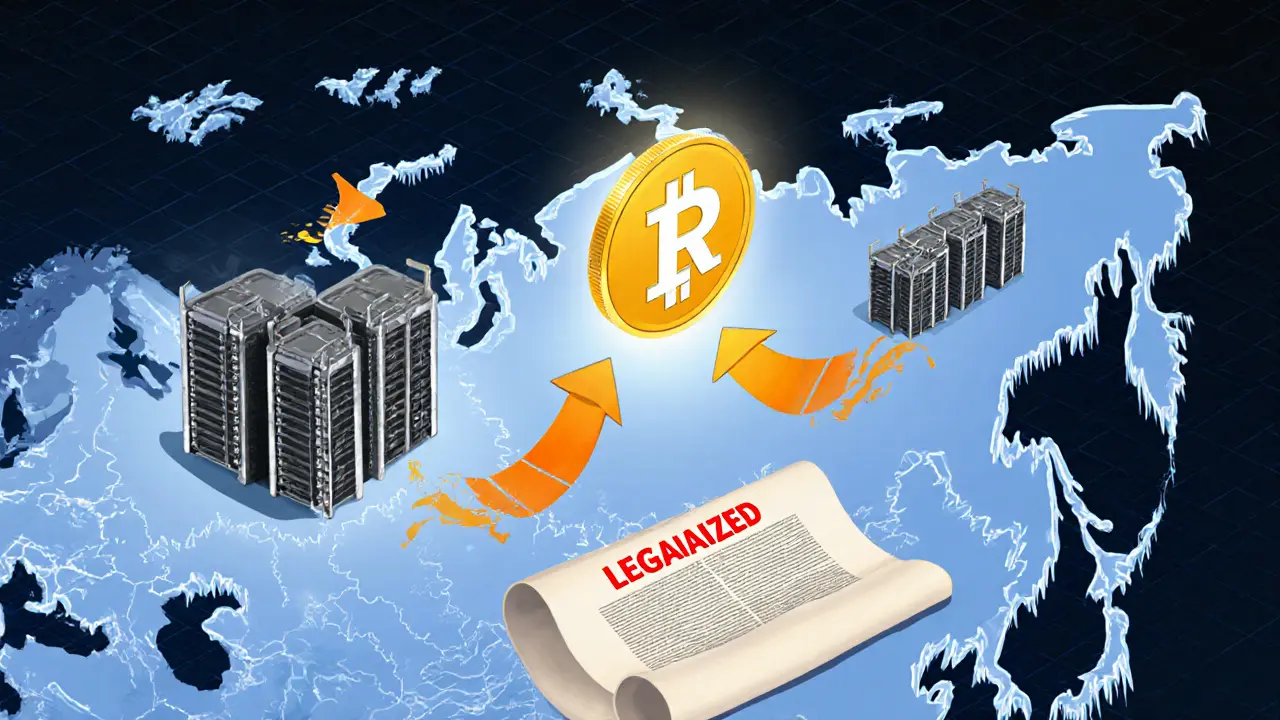
Russia's new crypto mining law lets the state generate digital currency revenue, supporting sanctions evasion via the A7A5 stablecoin and a network of sanctioned exchanges. Western sanctions target miners, exchanges, and the financial bridges enabling the scheme.
Read More