
2FA for Cryptocurrency Accounts: What It Is and How to Secure Your Crypto
Learn what 2FA for cryptocurrency accounts is, how it works, setup steps, best methods, backup strategies, and essential security tips to keep your crypto safe.
Read MoreWhen working with 2FA cryptocurrency, the practice of adding a second verification step to crypto account logins. Also known as two‑factor authentication for crypto, it turns a simple password into a two‑layer defence that blocks most automated attacks and stops hackers even if they steal your password.
Most crypto platforms now require a second factor, whether it’s a time‑based code, a push notification, or a hardware key. Crypto exchange security, the set of measures exchanges use to protect user funds hinges on 2FA because a breached password alone can’t unlock an account. Hardware wallets, offline devices that store private keys and often include a built‑in second factor add another barrier—if your phone is compromised, the physical device still blocks withdrawal attempts. Meanwhile, Phishing attacks, fake messages or sites designed to steal login credentials lose most of their power when 2FA is enabled, because the attacker still needs the second factor to succeed. In practice, you’ll see three common setups: an authenticator app generating six‑digit codes, an SMS text with a temporary link, or a USB‑type security key that you plug in during login. Each method has trade‑offs—authenticator apps are free and fast, SMS is convenient but vulnerable to SIM swapping, and hardware keys are the most secure but cost extra. Combining any of these with a strong, unique password creates a layered defence that most attackers can’t bypass.
Below you’ll find a collection of posts that break down 2FA cryptocurrency in real‑world scenarios: reviews of exchanges that mishandled security, step‑by‑step guides on setting up authenticator apps, comparisons of hardware wallets, and case studies of phishing attempts that were stopped by two‑factor checks. Whether you’re just adding 2FA to a new wallet or auditing the security of a major exchange, the articles ahead give you practical tips, warning signs to watch for, and the latest tools to keep your digital assets safe. Dive in and see how each piece fits into a stronger, more resilient crypto routine.
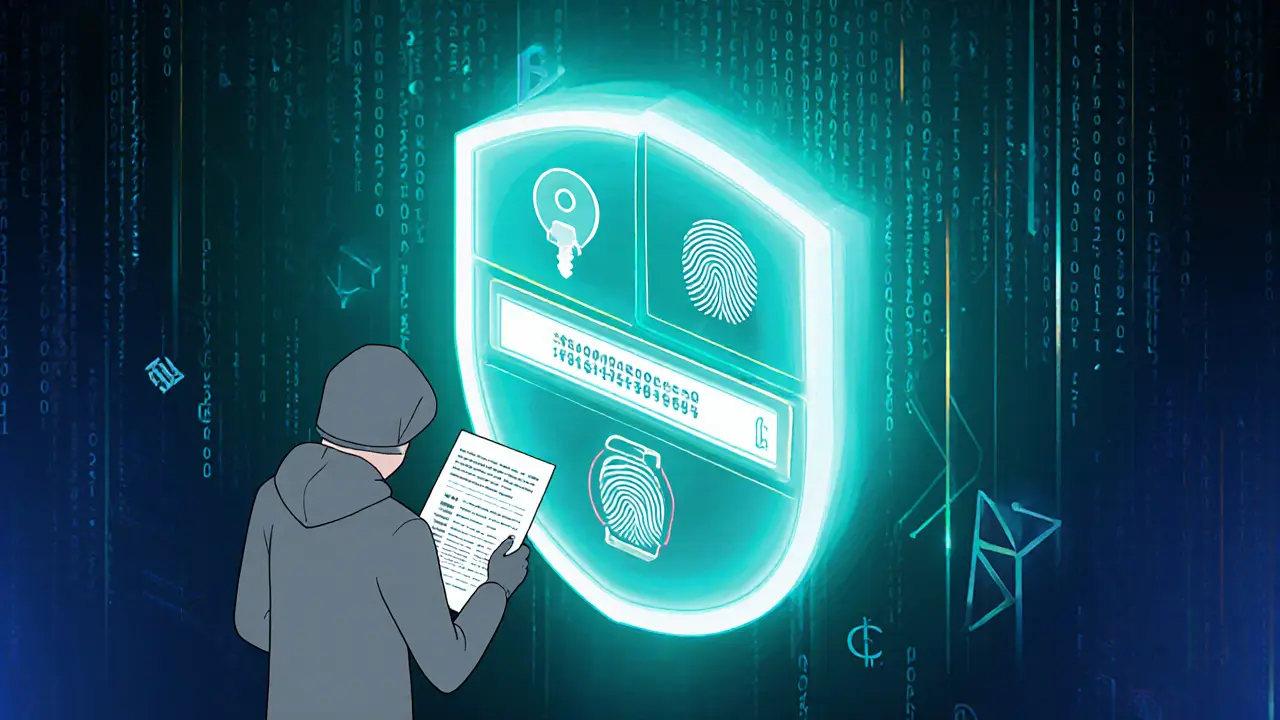
Learn what 2FA for cryptocurrency accounts is, how it works, setup steps, best methods, backup strategies, and essential security tips to keep your crypto safe.
Read More