
2FA for Cryptocurrency Accounts: What It Is and How to Secure Your Crypto
Learn what 2FA for cryptocurrency accounts is, how it works, setup steps, best methods, backup strategies, and essential security tips to keep your crypto safe.
Read MoreWhen working with 2FA best practices, the set of proven steps that make two‑factor authentication (2FA) truly effective. Also known as two-factor authentication, it adds a second layer of verification beyond a password, dramatically lowering the chance of a hack.
Authentication apps, mobile tools like Google Authenticator or Authy that generate time‑based codes are the most common 2FA method for crypto exchanges. They require you to enter a short, rotating number after typing your password, creating a subject‑predicate‑object link: 2FA best practices require authentication apps to provide dynamic codes. Hardware tokens, physical devices such as YubiKey that store cryptographic secrets offline take the protection a step further by keeping the secret away from the internet. This means 2FA best practices include hardware tokens to guard against phishing. Backup codes act as a safety net if you lose your phone; they should be stored offline in a secure location, because 2FA best practices advise multiple recovery options to avoid lockouts.
Crypto exchange security hinges on strong 2FA. Exchanges like Binance, Coinbase, or smaller platforms often become targets for credential stuffing attacks. When a hacker steals just a password, the extra 2FA step blocks the breach. Crypto exchange security, the overall safety measures that protect user funds on trading platforms therefore relies heavily on implementing 2FA best practices across all user accounts. A common mistake is using SMS codes, which can be intercepted via SIM swapping; 2FA best practices recommend authentication apps or hardware tokens instead of SMS. Phishing emails that mimic exchange login pages often try to harvest the 2FA code, but time‑based codes expire quickly, limiting damage. Pairing a hardware token with a strong, unique password creates a layered defense that even sophisticated attackers struggle to bypass.
Another key piece is account recovery. If you lose your 2FA device, you need a backup plan that doesn't give hackers a free pass. Store backup codes in an encrypted file on a USB drive kept in a safe, and enable email or phone recovery only after verifying the request through a separate channel. This aligns with the principle that 2FA best practices require secure backup methods to ensure continuous access.
For traders who move funds to cold wallets, 2FA still plays a role. Even though the private keys sit offline, the exchange or web wallet used to fund the cold storage still needs protection. Enabling 2FA on those interfaces prevents unauthorized withdrawals. Many platforms also let you set withdrawal limits that only reset after a 2FA confirmation, adding another safety layer.
Below you’ll find a curated list of articles that dive deeper into each of these topics—from detailed reviews of crypto exchanges and how they handle 2FA, to step‑by‑step guides on setting up authentication apps, hardware tokens, and secure backup codes. Whether you’re a beginner just turning on 2FA or an experienced trader polishing your security setup, these resources will give you actionable insight to keep your crypto safe.
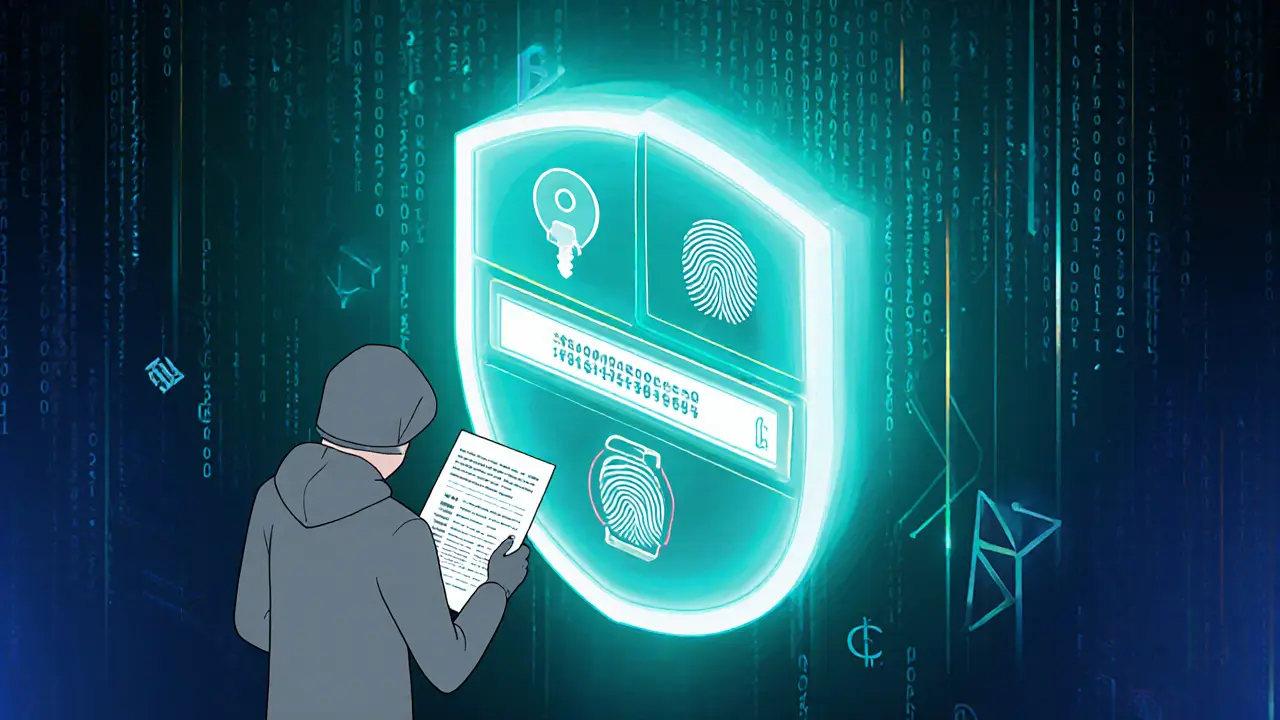
Learn what 2FA for cryptocurrency accounts is, how it works, setup steps, best methods, backup strategies, and essential security tips to keep your crypto safe.
Read More