
Sweden Ends Crypto Mining Tax Breaks: Why Miners Are Leaving
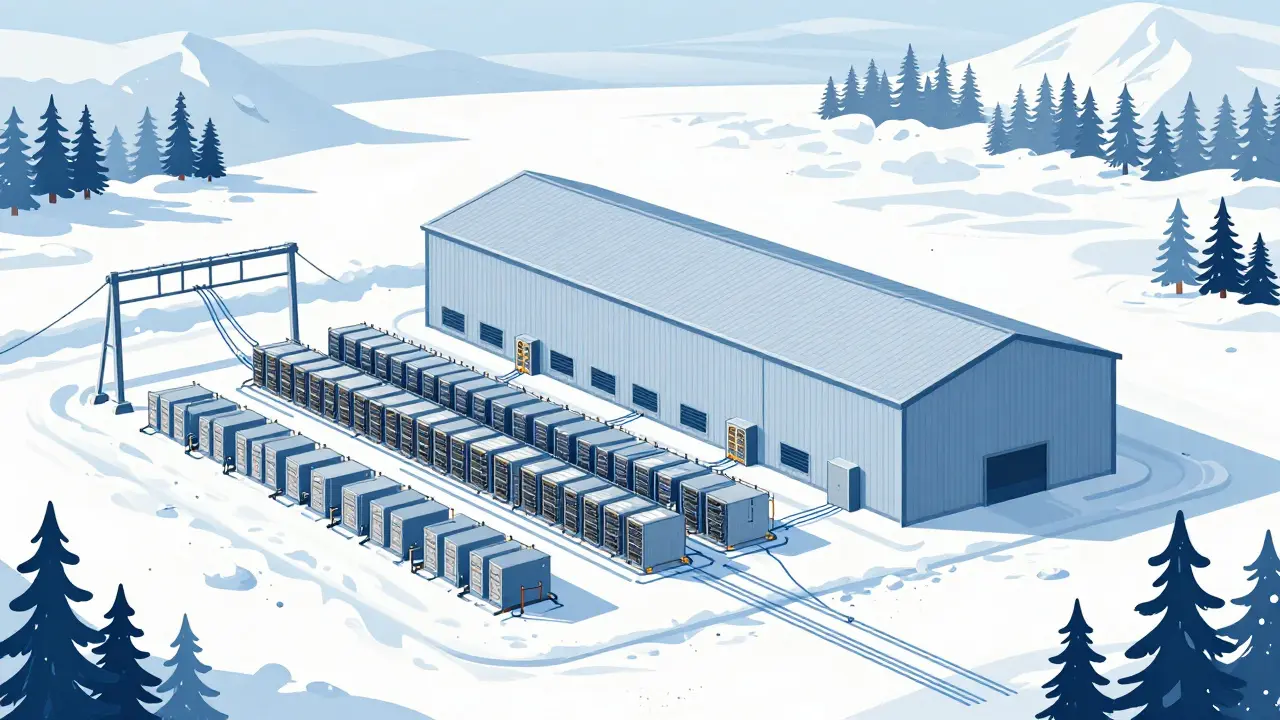
It was supposed to be the perfect storm for digital gold. Cold weather to cool servers, cheap hydroelectric power from the north, and a government willing to write checks to keep the lights on. For years, Sweden was known as one of the last strongholds for bitcoin miners in Europe. Then, almost overnight, the party ended.
In 2023, Sweden pulled the rug out from under the industry. They didn’t just raise prices; they implemented what many experts call punitive taxes that made mining mathematically impossible. If you are watching the crypto regulatory landscape, this is not just a local story. It is a warning shot about how quickly governments can change their minds when public opinion or grid stability shifts.
The Golden Era: How Sweden Became a Mining Haven
To understand why the exit was so painful, you have to look at where things started. In 2017, the Swedish government introduced a policy that looked like a gift wrapped in green energy. They offered a 98% tax reduction for data centers. The goal? To attract tech giants and boost infrastructure investment in rural areas.
Microsoft, Amazon, and Facebook (now Meta) all set up shop. But it wasn’t just big tech. Cryptocurrency mining operations flocked to the northern regions. Why? Because mining requires two main things: electricity and cooling. Sweden had both in abundance. The country’s climate naturally keeps server rooms cool, reducing the need for expensive air conditioning. Meanwhile, the hydroelectric dams in the north provided steady, renewable power.
By 2023, before the crackdown, Sweden hosted roughly 150 megawatts of active mining capacity. It was a profitable ecosystem. Operators paid low rates, used renewable energy, and contributed to the local economy-or so the narrative went. But beneath the surface, tensions were building. Local communities began to complain. Energy bills for regular households were rising, while massive mining farms sipped up cheap power with little visible benefit to the towns hosting them.
The Policy Reversal: A 6,000% Tax Hike
The turning point came with the budget published in November 2022. The new rules took effect in July 2023. The change was drastic. The energy tax for data centers jumped from SEK 0.006 per kilowatt-hour to SEK 0.36. That is a 6,000% increase.
Let’s put that in perspective. Before this hike, mining in Sweden was competitive globally. After the hike, it became one of the most expensive places on Earth to run an ASIC miner. The government also wiped out the previous 98% tax incentive. This wasn’t a slight adjustment; it was a deliberate move to make the industry unviable.
| Policy Aspect | Pre-2023 (The "Haven" Era) | Post-July 2023 (Current Status) |
|---|---|---|
| Tax Reduction for Data Centers | 98% reduction available | Eliminated completely |
| Energy Tax Rate | SEK 0.006 per kWh (~$0.0006) | SEK 0.36 per kWh (~$0.035) |
| Impact on Profitability | Highly profitable due to low costs | Mathematically unviable for most operations |
| Government Stance | Welcoming, seeking investment | Hostile, prioritizing residential energy needs |
Why did they do it? The official reasoning cited minimal contribution to economic activity and job creation. The government argued that mining consumed vast amounts of energy without creating local employment or supporting infrastructure in a meaningful way. This sentiment grew louder after the 2018 crypto market crash, when several mining companies left Sweden unpaid energy bills behind, causing disruption for local providers.
Why This Matters More Than You Think
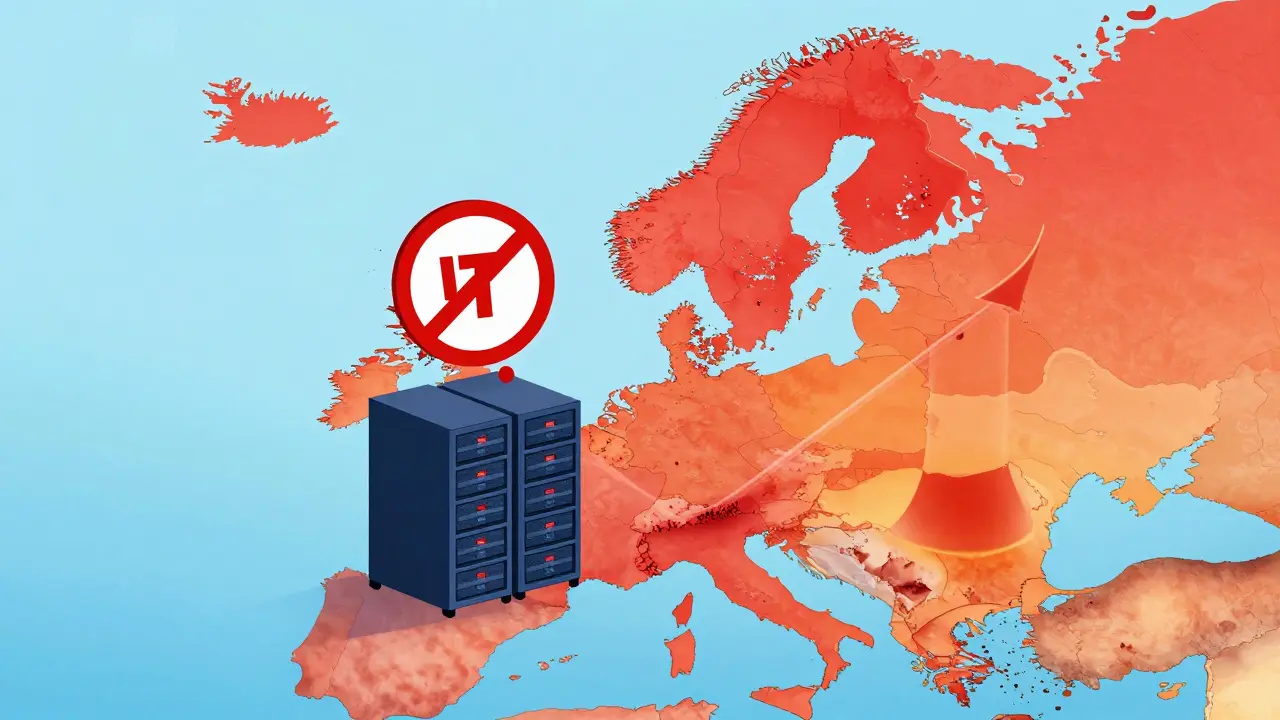
You might think this is just a story about a few guys with computers in a basement in Norrbotten. But it isn’t. Sweden’s move signals a broader shift in how European nations view cryptocurrency mining. Unlike El Salvador, which embraced Bitcoin as legal tender, or Texas, which actively courts miners with deregulated energy markets, Sweden chose restriction.
This creates a stark contrast within Europe. Neighboring Norway, despite having similar concerns about energy consumption, has not implemented comparable tax penalties. Kazakhstan and parts of Canada continue to compete for mining investment with favorable frameworks. Sweden stands alone as an outlier, implementing some of the world’s most restrictive policies.
For the global supply chain of computing power, this matters. When a major jurisdiction closes its doors, miners don’t just disappear. They move. And that movement impacts energy grids, carbon footprints, and local economies elsewhere. Sweden’s decision effectively pushed hundreds of megawatts of demand out of the EU and into other regions, potentially increasing the environmental impact if those destinations rely on fossil fuels.
The Exodus: Where Did the Miners Go?
If you can’t make money in Sweden, you go where you can. The reaction from the industry was swift. Operators described the tax changes as "devastating." There was no time to negotiate. The July 2023 deadline forced immediate decisions.
Many operators faced a brutal choice: shut down and sell hardware at a loss, or relocate. Relocation is expensive. Shipping heavy ASIC miners across borders involves logistics, customs, and setup costs. But staying meant bankruptcy. So, they moved.
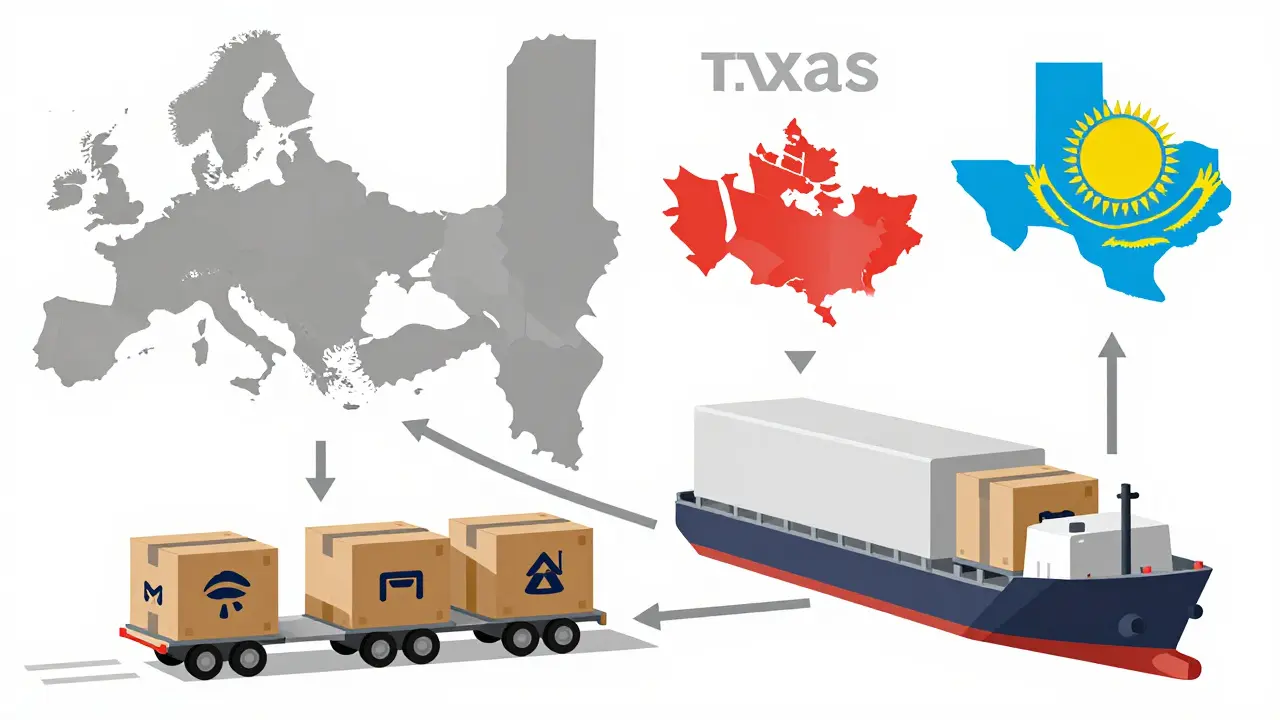
Where did they go? Reports indicate a significant flow toward:
- Kazakhstan: Known for abundant energy resources and a more lenient regulatory environment.
- United States: Particularly states like Texas and North Dakota, which offer competitive energy prices and pro-crypto legislation.
- Canada: Certain provinces with access to cheap hydroelectric power and stable governance.
This exodus highlights a key vulnerability in the mining industry: mobility. Unlike a factory that makes cars, a mining operation is essentially software running on specialized hardware. It can be unplugged and shipped anywhere with a power outlet. This mobility gives miners leverage but also makes them vulnerable to sudden policy shifts.
Lessons for Investors and Regulators
What should you take away from Sweden’s reversal? First, never assume a regulatory environment is permanent. Policies driven by political will can change faster than market cycles. Second, consider the total cost of ownership. Low electricity rates mean nothing if the tax structure punishes your specific use case.
For regulators, Sweden offers a case study in using fiscal policy to eliminate an industry. It worked. Commercial mining in Sweden is virtually extinct. But it also shows the risks. Stranded assets, lost revenue from equipment sales, and potential brain drain to neighboring countries are real consequences. Furthermore, it raises questions about fairness. Should data centers that host social media platforms pay different rates than those securing a decentralized financial network?
As we move further into 2026, the debate continues. Other European nations are watching Sweden closely. Some may follow suit, fearing grid instability or public backlash. Others may double down on attracting miners, positioning themselves as the next friendly harbor. For now, Sweden serves as a cautionary tale: when the government decides an industry is no longer welcome, the exit door slams shut fast.
When did Sweden eliminate crypto mining tax incentives?
Sweden eliminated the 98% tax reduction for data centers and implemented new punitive energy taxes effective July 2023. The policy was announced in the budget published in November 2022.
How much did the energy tax increase for mining in Sweden?
The energy tax increased by approximately 6,000%, jumping from SEK 0.006 per kWh to SEK 0.36 per kWh. This dramatic rise made commercial mining economically unviable.
Why did Sweden decide to ban crypto mining effectively?
The government cited concerns over high energy consumption with minimal job creation or economic contribution. Previous incidents where miners left unpaid energy bills during the 2018 market downturn also influenced the decision.
Where did Swedish crypto miners relocate to?
Many operators relocated to jurisdictions with more favorable regulations and energy costs, including Kazakhstan, various U.S. states like Texas, and parts of Canada.
Is there still any crypto mining in Sweden today?
Commercial large-scale mining operations have virtually disappeared from Sweden due to the prohibitive tax costs. Only negligible or highly inefficient small-scale operations might remain, but the country is no longer a viable hub for the industry.
19 Comments
let me tell you something about this whole situation because its not just about taxes its about control and the government hates that they cant control it anymore see sweden was basically a paradise for miners until the politicians got scared of their own power grids and now they want to punish everyone who made money honestly its pathetic really
i feel bad for the small operators who had to pack up everything in such a short time frame it must have been incredibly stressful trying to move heavy hardware while dealing with customs and new regulations all at once
totally agree with you abby it seems like the big players could afford to move but the little guys probably lost a lot of money on shipping costs alone i hope some of them found good spots in texas or canada
oh wow look at these europeans crying over taxes lol if you cant handle a little bit of regulation maybe you shouldnt be mining crypto in the first place kudos to sweden for standing up to these energy vampires
you dont get it do you its not about the money its about the soul of the internet when governments start taxing computation they are trying to tax thought itself and thats where the real horror begins we are losing our freedom one kilowatt hour at a time
they are lying to you all this is part of a global conspiracy to kill bitcoin before it becomes legal tender everywhere the central banks are terrified so they use fake environmental concerns as an excuse to ban it
actually from a technical standpoint the issue is that hydroelectric dams have limited capacity during winter months when heating demand spikes so its not entirely malicious just poor planning by the grid operators who didnt account for the load
you really think its just poor planning? please its blatant corruption the elites wanted to squeeze every last drop of profit out of the miners and then kick them out when they got too powerful typical swedish hypocrisy
honestly i think texas is winning this race 🤠🌵 cheap energy and pro-crypto laws make it the new sweden but without the snow and the high taxes glad to see the industry moving south
it is important to remember that while the tax hike was steep, the initial incentives were also unsustainable. We need a balanced approach where renewable energy is used responsibly without displacing residential needs. This situation highlights the need for better long-term policy frameworks.
typical european inefficiency. they cant even manage their own energy grid properly so they blame the miners. america does it right with deregulation and free markets. sweden is going backwards into socialism and poverty.
i guess we can all agree that sudden policy changes are never fun for anyone involved. hopefully other countries will learn from this and create more stable environments for tech innovation rather than swinging wildly between extremes.
It is quite amusing how everyone suddenly cares about the environment only when it suits their political agenda. The miners were using green energy, yet they are vilified. One must question the integrity of those making these decisions. 😒
the weak always complain about strength. sweden showed weakness by caving to public pressure instead of leading with innovation. the miners leaving is a victory for decentralization because now they are spread out globally and harder to control
its ironic isnt it how they claim to care about the planet but then force industries to move to places with worse environmental records like kazakhstan or coal-heavy regions in the us. its just performative politics at this point
Let us consider the broader economic implications. While Sweden may have lost immediate tax revenue, they avoided potential grid instability. However, the lack of communication with stakeholders was a significant failure in governance that could have been mitigated.
The grammatical precision of the original post is appreciated. It clearly outlines the timeline and financial impacts without resorting to hyperbole. This serves as a useful case study for regulatory analysis.
from a hash rate perspective the migration is already happening and the network difficulty is adjusting accordingly. its fascinating to watch the geographic distribution shift in real time via blockchain explorers
i think the key takeaway here is the importance of adaptability in business. companies that rely on single jurisdictions for operations are always at risk. diversification is essential for long term survival in any industry