
SushiSwap v3 on Base: Is It the Best DEX for Low-Fee Trading in 2026?
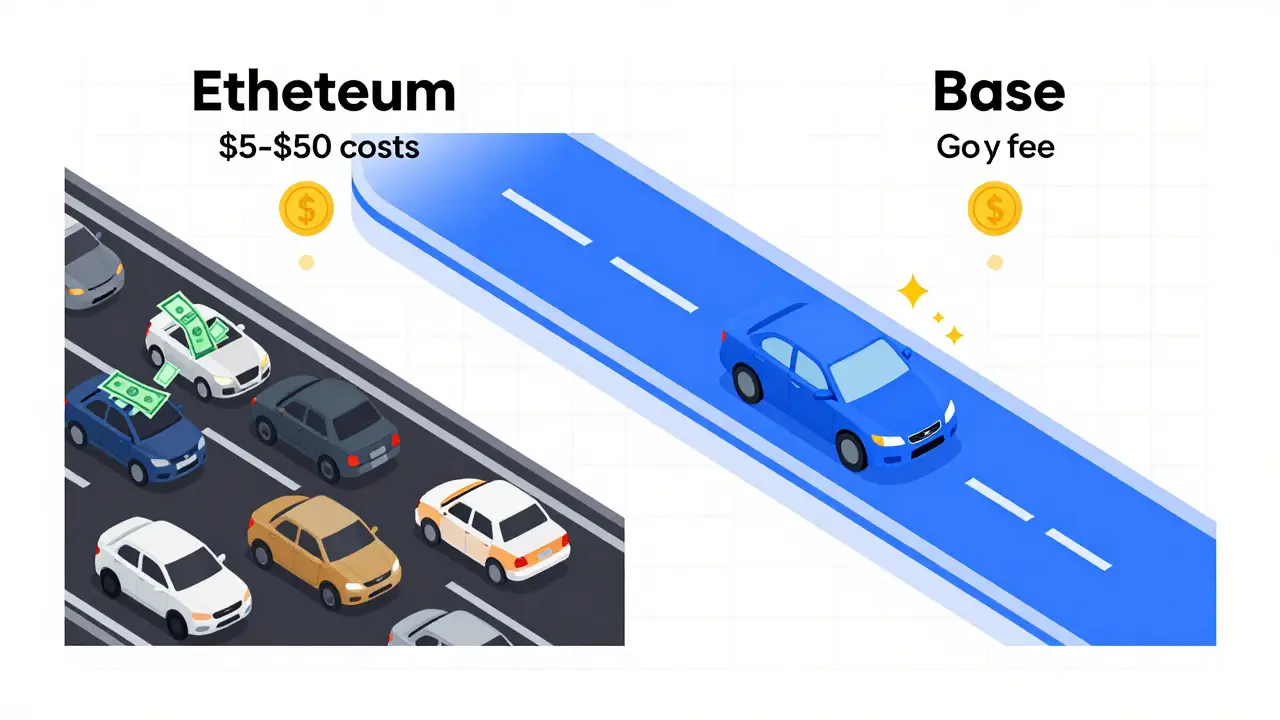
Gas fees on Ethereum used to be a joke. Now, they’re just an annoyance you try to avoid at all costs. If you’ve been trading decentralized finance (DeFi) assets lately, you know the drill: you want to swap tokens, but paying $5 or $10 in network fees for a $50 trade feels like robbery. That’s exactly why networks like Base, Coinbase’s Layer 2 solution, have exploded in popularity. They offer lightning-fast transactions and pennies-worth of fees. But here’s the real question: does your favorite decentralized exchange actually work well there?
You might have heard about SushiSwap, the community-driven DEX that started as a fork of Uniswap and grew into its own ecosystem. With the launch of its v3 architecture, which focuses liquidity to boost capital efficiency, SushiSwap is now expanding beyond Ethereum. Specifically, many users are asking if SushiSwap v3 on Base is worth your attention in 2026. Let’s cut through the noise and see what this combination actually offers.
What Exactly Is SushiSwap v3?
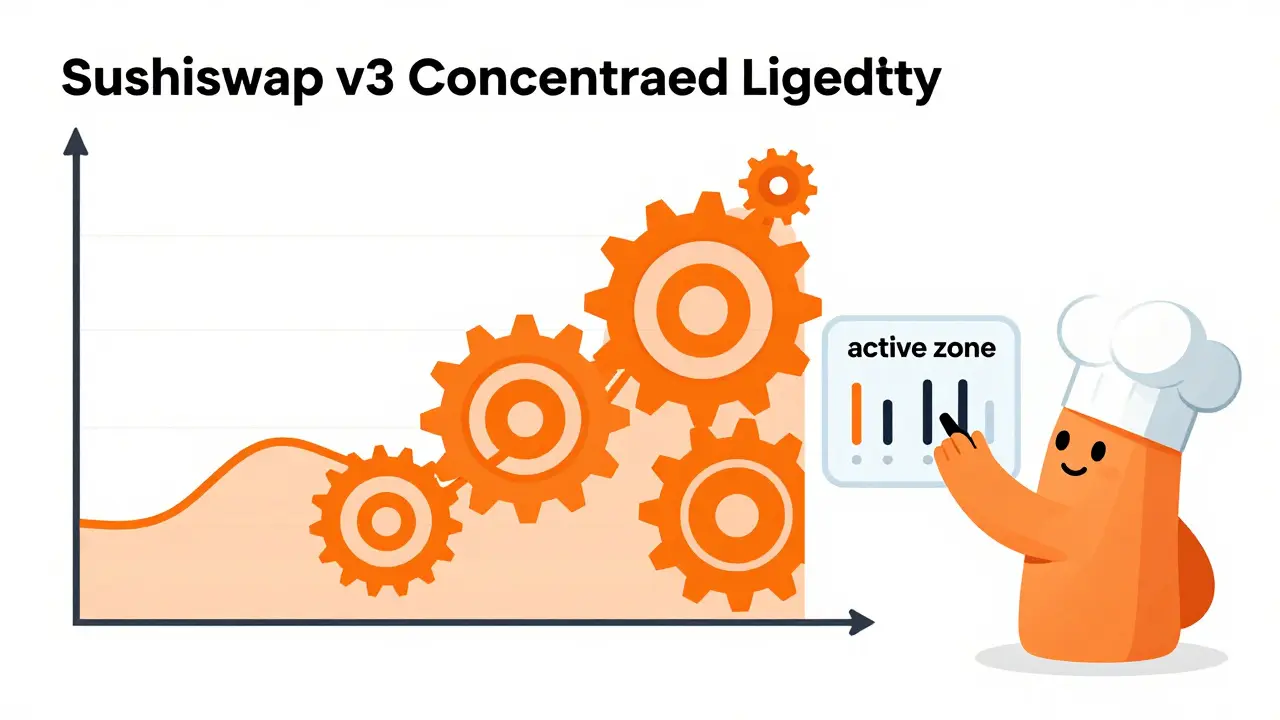
To understand why the version number matters, you need to look at how liquidity works. In earlier versions of AMMs (Automated Market Makers), liquidity was spread across the entire price range of a token. This meant a lot of your capital sat idle, waiting for trades that never happened. Uniswap v3 changed the game by introducing concentrated liquidity. SushiSwap adopted this model with its own v3 upgrade.
With SushiSwap v3, you can choose specific price ranges where your liquidity will be active. If you think ETH will stay between $3,000 and $3,500, you put your money right there. The result? You earn significantly more fees from swaps because your capital is working harder. For traders, this means tighter spreads and less slippage. It’s a win-win, provided you pick the right range.
Why Base Blockchain Changes the Game
Base is an optimistic rollup built on top of Ethereum. Think of it as a highway that runs alongside the main Ethereum road but has far fewer traffic jams. Because Base inherits security from Ethereum while processing transactions off-chain, it gets the best of both worlds. Fees are typically under $0.01, and block times are measured in seconds.
When you combine SushiSwap’s efficient v3 engine with Base’s cheap infrastructure, you get a trading environment that makes sense for smaller portfolios. On Ethereum Mainnet, swapping $100 might cost you $15 in gas. On Base, that same swap costs less than a penny. This accessibility opens the door for retail investors who previously found DeFi too expensive to enter.
| Feature | Ethereum Mainnet | Base Network |
|---|---|---|
| Average Gas Fee | $5 - $50+ | $0.001 - $0.01 |
| Transaction Speed | 12-30 seconds | < 2 seconds |
| Liquidity Depth | Very High | Growing Rapidly |
| Best For | Large institutional trades | Retail & frequent traders |
How to Trade on SushiSwap v3 (Base)
Getting started isn’t rocket science, but you do need to set up your wallet correctly. Here is the step-by-step process to ensure you don’t lose funds to wrong network settings.
- Set Up Your Wallet: Use MetaMask or Rabby Wallet. These are the most compatible options for Base.
- Add the Base Network: Go to your wallet settings and add Base. The RPC URL is usually `https://mainnet.base.org`. Chain ID is 8453. Currency symbol is ETH.
- Fund Your Wallet: You need ETH on Base. You can bridge ETH from Ethereum using the official Base bridge or buy ETH directly on supported exchanges and send it to your Base address.
- Connect to SushiSwap: Visit the SushiSwap interface. Make sure you select “Base” from the network dropdown menu at the top left. This is crucial-if you’re on Ethereum, you’ll pay Ethereum fees.
- Approve Tokens: Before your first swap, you’ll need to approve the token spending limit. This costs a tiny fraction of a cent on Base.
- Execute Swap: Enter the amount, check the price impact, and confirm. Done.
Liquidity and Token Availability on Base
A DEX is only as good as its liquidity. If no one else is providing pairs, you can’t trade. When SushiSwap launched on Base, it prioritized high-volume pairs. Currently, you’ll find deep liquidity for major assets like WETH, USDC, and WBTC. However, niche altcoins might have thinner books compared to Ethereum.
This creates a strategic opportunity. Early adopters often provide liquidity to new pools before they fill up. By entering early on popular pairs on Base, you can capture higher yields. But remember: impermanent loss is still a risk. If the price of the token pair diverges significantly, you might end up with less value than if you had just held the tokens.
Safety and Security Considerations
SushiSwap has a mixed history regarding security. In the past, smart contract vulnerabilities led to significant hacks. However, since transitioning to a more decentralized governance model and adopting rigorous auditing standards for v3, the platform has improved substantially. Always verify that you are on the official SushiSwap website. Phishing sites targeting Base users are common because the network is newer and less familiar to average users.
Additionally, Base itself relies on Optimism’s OP Stack technology. While generally secure, Layer 2 solutions introduce withdrawal delays. If you need to move large amounts back to Ethereum Mainnet, expect a wait time of several days for finality. Plan accordingly.
Is SushiSwap v3 on Base Worth It in 2026?
If you are a high-frequency trader or someone managing a portfolio under $10,000, yes. The fee savings alone justify moving to Base. You can rebalance your portfolio daily without worrying about eating into your profits with gas fees. For large institutions moving millions, Ethereum Mainnet still offers deeper liquidity and instant settlement certainty, making it the preferred choice despite the cost.
The competition is fierce. Uniswap is also on Base, as is Aerodrome. SushiSwap differentiates itself through its yield optimization tools and the SUSHI token incentives. If you hold SUSHI tokens, you may receive additional rewards for providing liquidity on Base, effectively boosting your APY. This multi-layered incentive structure makes it attractive for yield farmers.
Is SushiSwap safe to use on Base?
Yes, provided you connect via the official website and use a hardware wallet for large amounts. SushiSwap v3 contracts have undergone multiple audits. However, always double-check URLs to avoid phishing scams, which are prevalent on newer chains like Base.
How do I bridge ETH to Base for SushiSwap?
Use the official Base Bridge at bridge.base.org. Connect your MetaMask, select Ethereum as the source and Base as the destination, and transfer ETH. Alternatively, you can buy ETH on centralized exchanges like Coinbase and withdraw directly to your Base wallet address.
What are the fees for swapping on SushiSwap Base?
Network gas fees are typically less than $0.01. SushiSwap charges a trading fee based on the pool type, usually ranging from 0.01% to 1%. For standard pairs like ETH/USDC, the fee is often around 0.05%, which is competitive with other DEXs.
Can I earn SUSHI rewards on Base?
Yes, SushiSwap frequently launches incentive programs for new chains. Check the SushiSwap dashboard or their Twitter announcements for current Base-specific reward campaigns. Providing liquidity to eligible pools often grants extra SUSHI tokens on top of trading fees.
How does SushiSwap v3 differ from v2?
The key difference is concentrated liquidity. V2 spreads liquidity across all prices, while V3 allows you to target specific price ranges. This increases capital efficiency for providers and reduces slippage for traders, but requires more active management to maintain optimal positions.