
Successful Memecoin Projects: Utility Over Hype in 2026
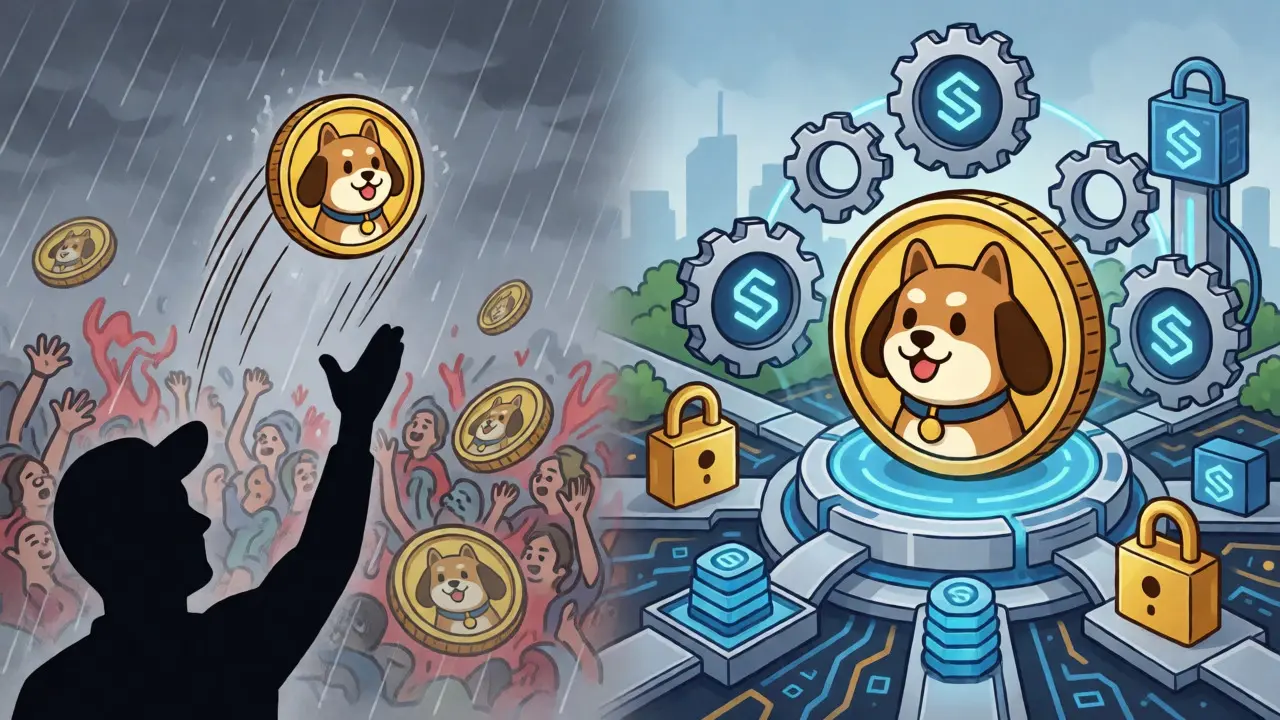
Remember when buying a Dogecoin was basically a bet that Elon Musk would tweet again? Those days are fading. By August 2026, the cryptocurrency market has matured, and so have its most famous jokes. We aren't just looking for the funniest dog pictures anymore; we're hunting for successful memecoin projects that offer real utility, sustainable tokenomics, and active communities. If you're still treating every new token launch like a lottery ticket, you're likely leaving money on the table-or losing it entirely.
The shift is undeniable. In early 2025, Bonk (BONK) wasn't just a meme; it hit a $2.7 billion market cap. That's not hype; that's infrastructure. Today, investors who ignore utility-focused memecoins are missing out on some of the highest-yield opportunities in the blockchain space. But how do you separate the signal from the noise? It comes down to understanding what makes a project survive beyond the initial Twitter storm.
The Evolution from Joke to Infrastructure
Let's be honest: most memecoins die within weeks. They pop up on decentralized exchanges, spike 100%, and then vanish into the digital ether. The survivors? They look different. They don't rely solely on viral marketing. Instead, they build actual products. Take Book of Meme (BOME), for instance. It didn't just launch a token; it created a platform for creating and sharing memes directly on-chain. This isn't just about holding a coin; it's about participating in an ecosystem where your NFTs can generate yield.
This transition marks a critical change in investor behavior. You no longer buy a memecoin just because it has a funny name. You buy it because it solves a problem or provides a service. For example, BOME allows users to stake Bored Ape Yacht Club (BAYC) NFTs to generate tokens. This bridges the gap between high-value art collections and liquid trading assets. It turns a static JPEG into a productive asset. That is utility.
Solana’s Role in Sustainable Growth
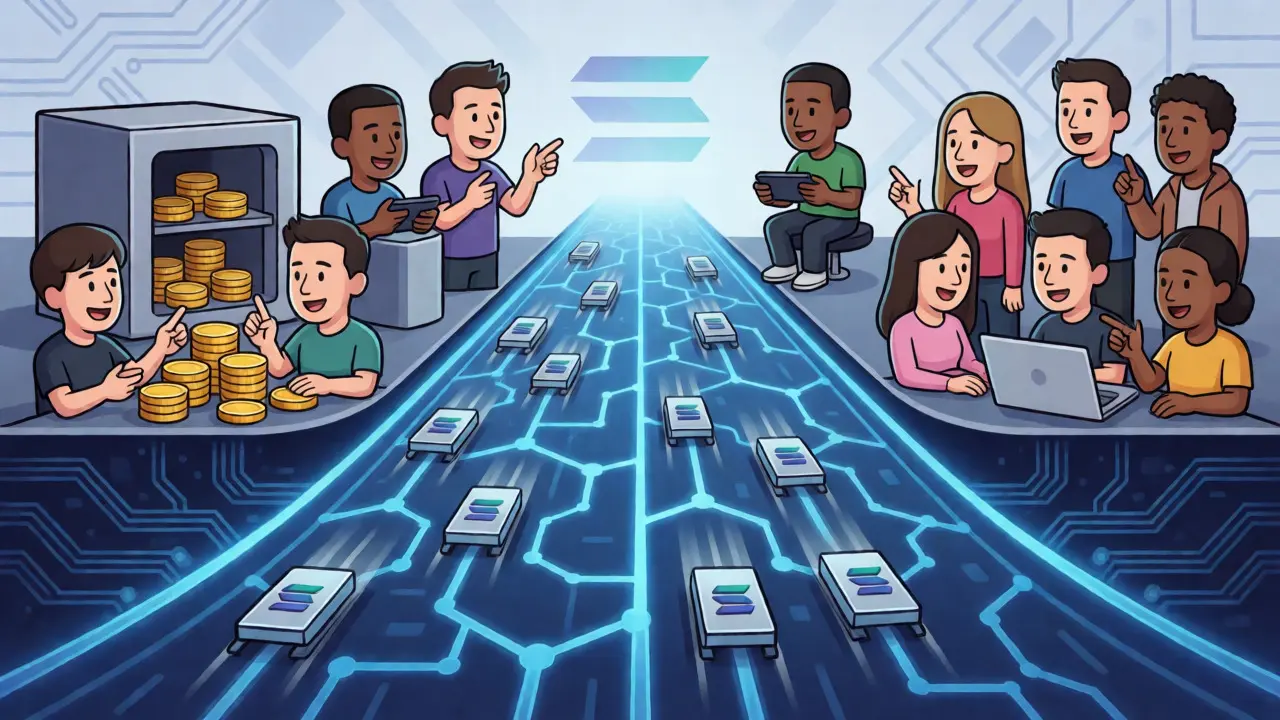
You might wonder why so many successful projects are launching on Solana. The answer is simple: speed and cost. Ethereum transactions can still be expensive during peak times, which kills the micro-transactions needed for gaming or social apps. Solana offers sub-second finality and negligible fees. This technical advantage allows projects like BONK to integrate seamlessly into wallets and payment processors without frustrating users with gas wars.
BONK’s success stems from this strategic positioning. It leveraged Solana's high-performance architecture to build genuine utility beyond speculative trading. When a network is fast and cheap, users actually use the token. They tip creators, pay for services, and trade frequently. This organic activity drives volume and sustains price action far better than a single influencer shoutout ever could.
Tokenomics That Actually Work
Hype fades, but math doesn't lie. The most resilient projects implement sophisticated tokenomics designed to reward long-term holders rather than day traders. Look at BullZilla (BZIL). During its presale phase, it raised over $680,000 by offering a structured investment opportunity rather than a chaotic free-for-all. Why did it work? Because it included deflationary mechanics. Supply-burning systems reduce the total number of tokens over time, creating natural scarcity.
Staking incentives are another pillar of sustainability. Projects like Chill Memez ($CHIMZ) offered 150% APY during their private sales. This locks up supply and reduces selling pressure when the token hits public exchanges. If everyone is staking to earn rewards, fewer people are dumping on the open market. It creates a floor for the price and fosters a community of believers rather than a crowd of flippers.
| Feature | Typical "Hype" Coin | Utility-Focused Project |
|---|---|---|
| Primary Driver | Viral Marketing / Influencers | Platform Utility / Staking Rewards |
| Blockchain Choice | Often Ethereum (High Fees) | Solana or L2s (Low Fees) |
| Token Function | Speculative Asset Only | Governance + Yield Generation |
| Community Engagement | Passive Holding | Active Participation (Gaming/Staking) |
| Longevity Strategy | Ride the Trend | Build Ecosystem & Partnerships |
Strategic Partnerships Matter More Than Tweets
A partnership with a major exchange or wallet provider is worth ten thousand tweets. Consider the case of SLAP token. Its price jumped 1,800% on its first day, pushing its market cap from $1 million to nearly $20 million. What caused this explosion? Not a celebrity endorsement, but a strategic partnership with Best Wallet, a reputable crypto wallet platform. This integration gave SLAP immediate visibility and usability.
These partnerships validate the project. They show that established players see value in the token's underlying technology or community. SLAP also dedicated 10% of its supply to community rewards and offered 30% APY for stakers. This combination of business relationships and financial incentives creates a robust foundation that can withstand market volatility.
How to Spot the Next Big Winner
If you're digging through the thousands of new launches, here is a quick checklist to filter out the garbage. First, check the blockchain. Is it on a low-cost network like Solana or a Layer 2 solution? High fees kill user adoption for small transactions. Second, look for utility. Does the project have a game, a tool, or a governance model? Or is it just a picture of a cat?
Third, examine the token distribution. Are insiders holding 90% of the supply? Run away. Look for fair launches or structured presales like MooShot ($HIPO), which accepted multiple currencies (ETH, USDT, BNB) to broaden accessibility. Finally, assess the community. Are they discussing features and roadmap milestones, or just screaming "moon"? Active, substantive discussion is a strong indicator of longevity.
Projects like MoonBull demonstrate this well. They focus on referral strategies that benefit both newcomers and loyal supporters. This creates network effects where growth is organic, not bought. In contrast, coins relying on paid influencers often see sharp declines once the marketing budget runs dry.
The Risks Remain Real
Don't let the success stories blind you. The crypto market remains capricious. Cheems, once a darling of the meme world, struggled to maintain relevance as newer, more functional projects emerged. Past performance does not guarantee future results. Even with good tokenomics, a lack of execution can sink a ship.
Always consider liquidity. A high market cap means nothing if you can't sell your position without crashing the price. Check the depth of the order book on decentralized exchanges. Also, beware of "rug pulls," where developers abandon the project after raising funds. Audited smart contracts and locked liquidity pools are your best defenses against these scams.
Investing in memecoins is no longer about gambling on a joke. It's about identifying early-stage startups with viral branding. The winners are those who treat their community as customers and their token as a product key. As we move further into 2026, the divide between toy coins and serious assets will only widen. Choose wisely.
Why are Solana-based memecoins outperforming others?
Solana offers significantly lower transaction fees and faster processing speeds compared to Ethereum. This makes it ideal for memecoins that require frequent, small transactions for gaming, tipping, or community interactions, driving higher user engagement and retention.
What is the importance of staking in memecoin projects?
Staking locks up tokens, reducing circulating supply and selling pressure. It rewards long-term holders with yield (APY), incentivizing them to hold rather than flip quickly. This stabilizes the price and fosters a committed community base.
Can a memecoin succeed without utility?
While possible for short periods via pure hype, long-term success is rare without utility. Projects like BONK and BOME succeeded because they integrated into ecosystems, offering governance, staking, or creative tools, providing reasons for users to hold beyond speculation.
How do I evaluate a memecoin's tokenomics?
Look for deflationary mechanisms (burns), reasonable team allocations (avoiding insider dominance), and clear vesting schedules. Check if supply is locked or burned regularly. High inflation rates usually lead to price dilution unless offset by strong demand.
Are partnerships with wallets significant for memecoins?
Yes. Partnerships with platforms like Best Wallet provide instant credibility and accessibility. They expose the token to a broader user base and often include listing benefits, which can drive significant volume and price appreciation, as seen with SLAP token.