
Portugal Crypto Tax Guide: How to Keep Long-Term Gains Tax-Free in 2026
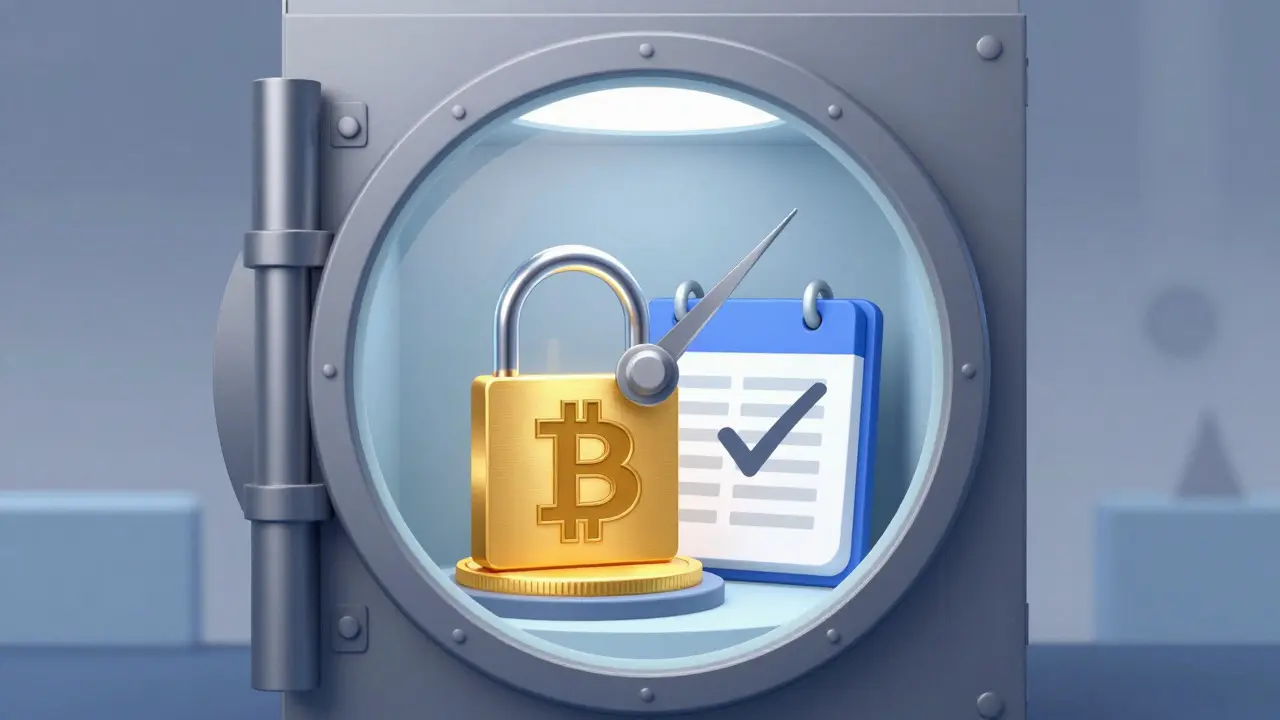
Imagine holding Bitcoin for two years and selling it for a significant profit, only to realize you owe zero taxes on that gain. For many investors, this scenario sounds like a dream, but in Portugal, it is simply the standard procedure for long-term holders. While the country changed its rules in 2023, ending the era of completely tax-free crypto trading, it preserved a powerful incentive for those willing to wait. If you hold your assets for more than 365 days, your profits are exempt from tax. This guide breaks down exactly how that works, what traps to avoid, and why Portugal remains one of the smartest places in Europe for serious crypto investors.
The Core Rule: The 365-Day Threshold
At the heart of Portuguese cryptocurrency taxation is a dual-tier system that distinguishes between short-term and long-term holdings based on a strict one-year period. You need to understand that the clock starts when you acquire the asset and stops when you convert it to fiat currency, like Euros. If you sell your crypto after 365 days have passed, the profit is considered a non-taxable event under specific conditions. However, if you sell before that mark, you fall into the short-term category, which attracts a flat 28% tax rate. This distinction is crucial because it changes how you manage your portfolio. It encourages a "buy and hold" strategy rather than frequent day trading, aligning with the broader trend of institutional adoption where long-term stability is valued over quick flips.
Understanding Income Categories E, G, and B
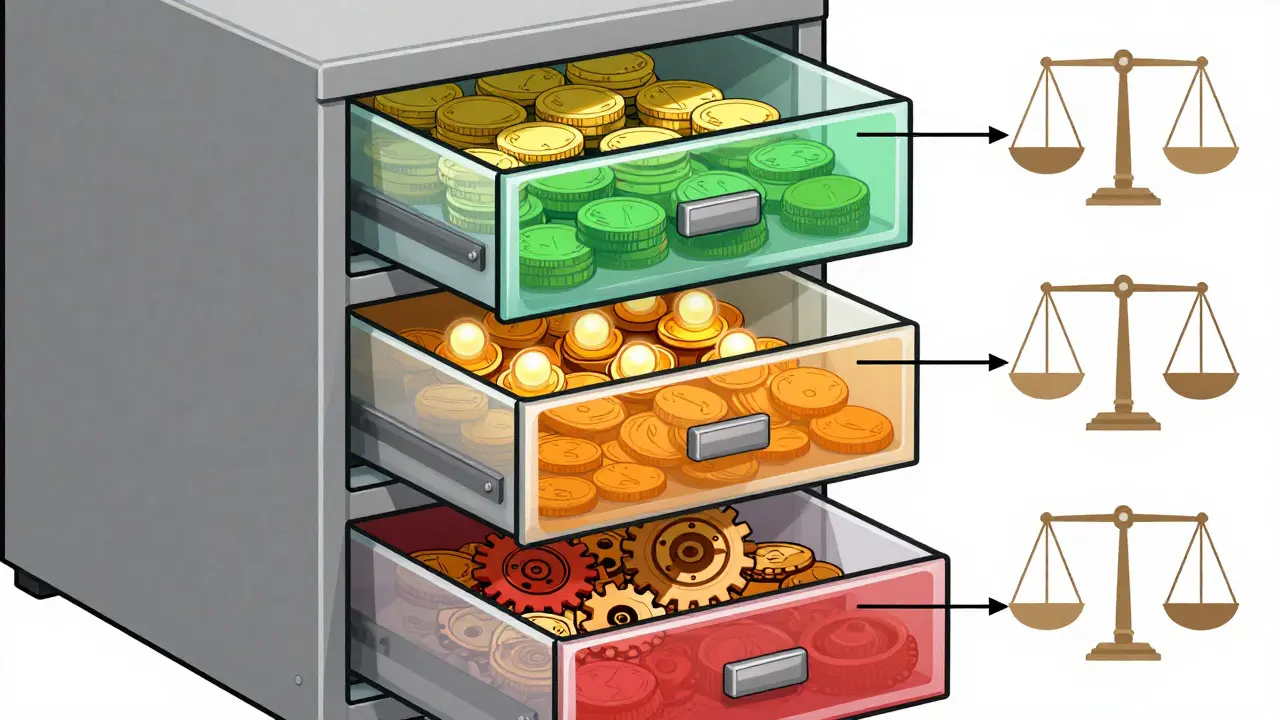
Not all crypto income is treated the same way. The Portuguese Personal Income Tax Code splits earnings into three main buckets, and knowing which one applies to you determines your tax liability. Let's look at the specifics:
- Category G (Capital Gains): This covers profits from selling crypto. As mentioned, gains from assets held for less than a year are taxed at 28%. Gains from assets held longer are generally tax-free, provided the tokens are not classified as securities and are stored within the European Economic Area (EEA).
- Category E (Capital Income): This includes passive income such as staking rewards or lending yields. Unlike capital gains, there is no long-term exemption here. All Category E income is taxed at a flat 28% rate regardless of how long you hold the underlying asset.
- Category B (Self-Employment): If you trade professionally, mine crypto, or validate transactions as a business activity, your income falls here. This is taxed progressively, with rates ranging from 14.5% to 53% depending on your total annual income. This category is rarely applicable to casual investors but is critical for full-time traders.
Most individual investors will primarily deal with Category G and occasionally Category E. The key takeaway is that while your trading profits can be tax-free if you wait, your staking rewards will always incur a cost. Planning around this difference can save you thousands in high-volume years.
Comparing Portugal to Other EU Jurisdictions
Why do so many digital nomads and tech entrepreneurs flock to Lisbon? The answer lies in comparison. When you stack Portugal's rules against its neighbors, the advantage becomes clear. France imposes a uniform 30% capital gains tax on all crypto profits, with no holding-period exemption. Italy charges 26%, and Spain’s progressive rates can climb significantly higher for large gains. Even Germany, which offers a similar one-year exemption, has complex reporting requirements that often deter smaller investors. Portugal’s framework is straightforward: hold for a year, pay nothing; sell early, pay 28%. This simplicity reduces compliance costs and uncertainty, making it an attractive base for global portfolios.
| Country | Short-Term Rate | Long-Term Exemption | Staking/Lending Rate |
|---|---|---|---|
| Portugal | 28% | Yes (>365 days) | 28% |
| Germany | Progressive (Income Tax) | Yes (>1 year) | Progressive |
| France | 30% | No | 30% |
| Spain | 19-28% | No | Up to 47% |
| Italy | 26% | No | 26% |
Navigating the Restrictions and Edge Cases
While the headline "tax-free" promise is strong, there are restrictions that can trip up unsuspecting investors. First, the exemption for long-term gains typically applies to standard cryptocurrencies like Bitcoin or Ethereum. If you hold tokens that are legally classified as securities is financial instruments regulated under traditional stock market laws rather than digital assets, they may lose their special status and become subject to different rules. Second, storage location matters. To qualify for the most favorable treatment, your assets should generally be kept within the EEA. Moving funds to exchanges outside this zone could complicate your filing and potentially trigger different tax treatments. Finally, remember that crypto-to-crypto swaps are usually not taxable events. You don't pay tax just because you swap Bitcoin for Solana; you only pay when you convert to fiat. This allows for flexible portfolio rebalancing without immediate cash flow impacts.
Compliance and Record-Keeping Strategies
Tax authorities operate on a realization basis, meaning they care about when you actually sell, not what your portfolio is worth on paper. However, proving your holding period requires meticulous record-keeping. You must track acquisition dates, purchase prices, and sale details for every transaction. Manual spreadsheets work for small portfolios, but as your activity grows, specialized software becomes essential. Tools designed for Portuguese compliance can import data from major exchanges, calculate your exact gains, and generate reports ready for submission. Failing to keep these records can lead to audits and penalties, erasing any savings you gained from the tax-free status. Consistency is key: log every trade, even the small ones, to build an unassailable audit trail.

Future Outlook and MiCA Regulation
As we move through 2026, the European Union’s MiCA (Markets in Crypto-Assets) regulation is fully operational. This framework ensures consistent anti-money laundering standards and consumer protections across the continent. For Portugal, MiCA adds a layer of regulatory clarity without changing the core tax benefits. The government has shown commitment to maintaining its competitive edge, refining rules to address emerging technologies like DeFi protocols and Layer-2 solutions. While specific guidance on complex DeFi interactions continues to evolve, the core principle remains: long-term holding is rewarded. Investors should monitor official communications from the Portuguese tax authority for updates on how new asset classes fit into the existing categories, but the foundation of the system is stable and predictable.
Frequently Asked Questions
Does the 365-day rule apply to all cryptocurrencies?
Generally, yes, for standard crypto assets. However, tokens classified as securities or financial products may be treated differently. Always verify the legal classification of specific altcoins or project tokens before assuming they qualify for the long-term exemption.
Are staking rewards tax-free if held for over a year?
No. Staking rewards are considered Category E income (Capital Income). They are taxed at a flat 28% rate upon receipt or conversion, regardless of how long you hold the resulting tokens. The long-term exemption only applies to capital gains from buying and selling assets.
What happens if I swap one crypto for another?
Crypto-to-crypto swaps are typically not taxable events in Portugal. You do not realize a gain or loss until you convert to fiat currency. This allows you to rotate your portfolio without triggering immediate tax liabilities, provided you keep accurate records of the swap values.
Do I need to report unrealized gains?
No. Portugal taxes crypto on a realization basis. You only report and pay taxes when you sell your crypto for fiat currency or use it to buy goods and services. If your coin goes up in value but you still hold it, no tax is due.
Can I choose between the flat 28% rate and progressive income tax?
For Category G gains, you generally accept the flat 28% rate for short-term holdings. However, for some types of income, you might have options to integrate them into your total yearly income if it results in a lower effective tax rate. Consulting with a local tax advisor is recommended to optimize this choice based on your specific financial situation.