
OneRare Ingredient NFTs Explained: How to Earn Them (No Airdrop Needed)
OneRare is the world's first food metaverse, or 'foodverse', that brings global cuisine to the blockchain. It operates as a multiplayer NFT food game using Play-to-Earn mechanics. Many people hear "airdrop" and assume OneRare gives away free Ingredient NFTs. That's not true. There are no traditional airdrops for these NFTs. Instead, you earn them through farming activities on the platform. Let's break down exactly how it works.
Why There's No Ingredient NFT Airdrop
OneRare doesn't hand out free Ingredient NFTs through random giveaways. The platform uses a farming system where you stake ORARE tokens to earn rewards. This isn't a secret-OneRare's official docs and community channels clearly state this. If someone claims they're running an "airdrop" for Ingredient NFTs, they're likely misleading you. Real rewards come from active participation in the game's economy, not passive sign-ups.
The Farm Zone: How You Earn Ingredients
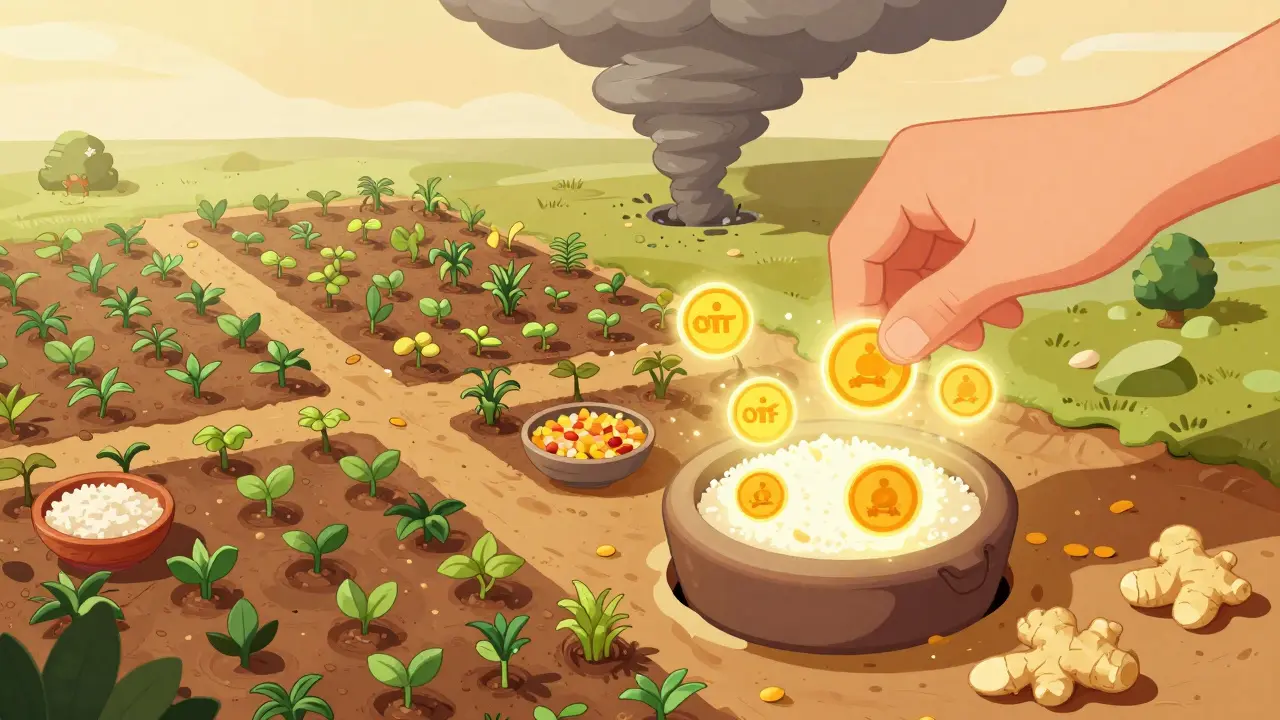
In OneRare's Farm zone, you stake ORARE tokens in themed pools to earn Ingredient NFTs. These pools rotate randomized ingredients based on global cuisines like Italian, Asian, or Mexican. For example, staking in the "Asian Cuisine" pool might give you rice, soybean, or ginger NFTs. You can't choose which ingredients you get-each pool has a fixed set of random rewards. The platform emits ingredients at a steady rate per hour, so the longer you stake, the more you earn.
Here's the catch: environmental events in the game affect supply. Droughts, tornadoes, or pest attacks can suddenly stop farming for certain ingredients. If tomatoes disappear due to a virtual flood, they become scarce in the market. This creates real-time scarcity that impacts their value. It's like real-world agriculture but in a blockchain game.
Farmer's Market: Trading and Buying
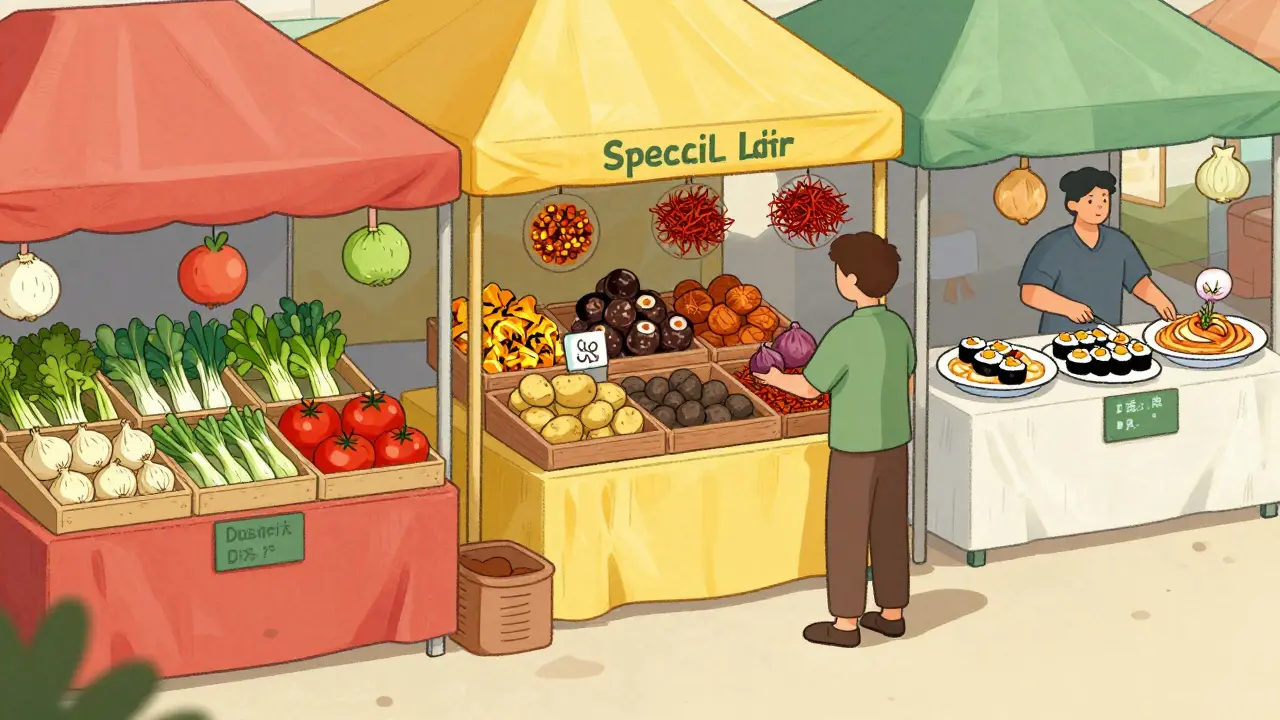
Once you have Ingredient NFTs, head to the Farmer's Market. This zone has three shops:
- Produce Shop: Sell your farmed ingredients for ORARE tokens
- Specialty Shop: Buy rare ingredients you can't farm, like saffron or truffles
- Dish Marketplace: Trade completed Dish NFTs you've minted
For instance, if you have extra onions but need potatoes for french fries, you'd sell onions in the Produce Shop and buy potatoes in the Specialty Shop. The prices shift based on supply and demand. During a virtual heatwave, lettuce prices spike because farming stops. This dynamic keeps the market alive and engaging.
Kitchen: Turning Ingredients Into Dishes
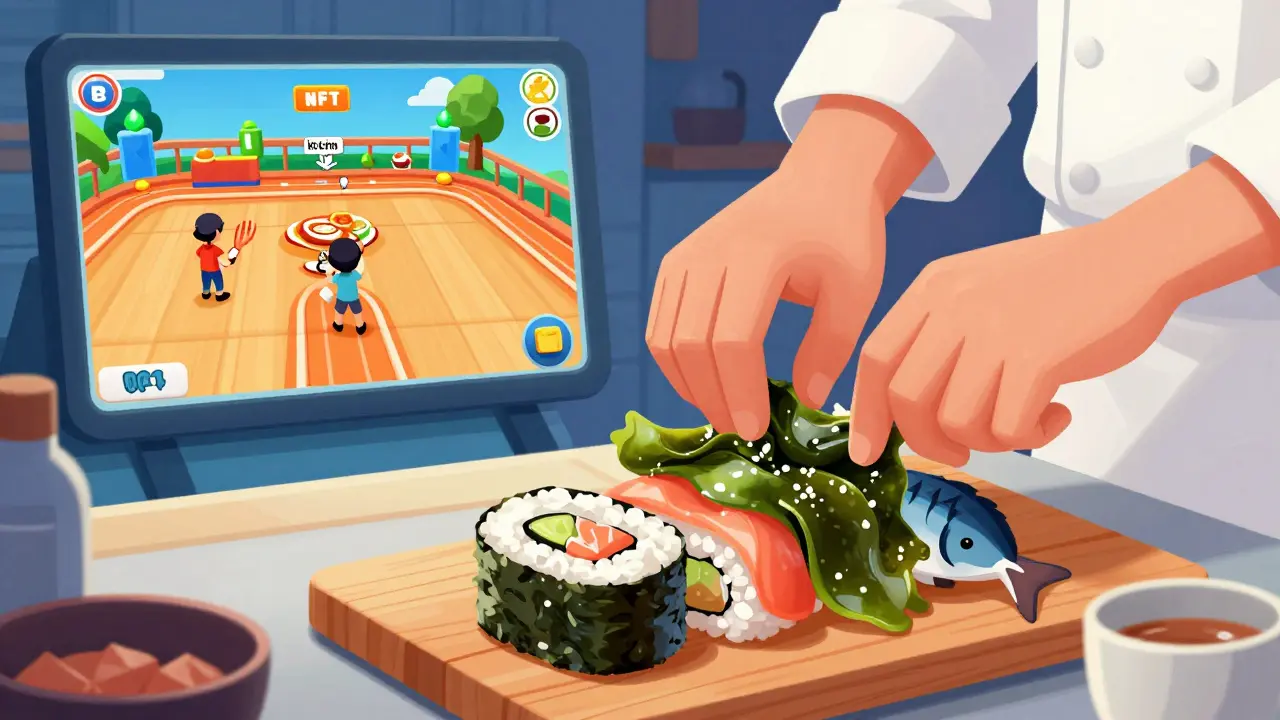
The Kitchen is where you combine Ingredient NFTs to create Dish NFTs. Each dish requires specific ingredients. To make sushi, you'd need rice, seaweed, and fish NFTs. When you mint a dish, the original ingredients are burned-you can't get them back. This means you must carefully plan what to cook. For example, if you have a rare Michelin-star chef's signature dish NFT, you'd need to gather all its required ingredients first.
OneRare partners with chefs like Saransh Goila and Michelin-starred Anthony Sarpong to create exclusive dishes. These collaborations mean some dishes can only be minted using special ingredient sets. This adds depth to the game, connecting virtual cooking with real culinary expertise.
Playground: Mini-Games and Rewards
The Playground zone hosts fun mini-games where you use your Ingredient or Dish NFTs to win more rewards. For example, you might play a virtual cooking race where you race to assemble a dish using your NFTs. Winning gives you bonus NFTs or ORARE tokens. These games aren't just for fun-they're designed to teach players about ingredient combinations and market trends. It's like a hands-on cooking class inside the game.
Why Polygon Blockchain Matters
OneRare runs on Polygon blockchain, not Ethereum. This choice is crucial. Polygon has near-zero transaction fees and processes transactions in seconds. On Ethereum, gas fees can make small trades unprofitable. With Polygon, new players can join without worrying about expensive costs. This makes the platform accessible to casual gamers who aren't crypto experts. You don't need a deep technical background to start farming ingredients or trading dishes.
Real-World Food Challenges in a Virtual World
OneRare simulates real agricultural issues. If a virtual drought hits the Farm zone, tomato farming stops for days. This mirrors how real droughts affect food supply chains. Similarly, pest attacks can wipe out entire crops. These events create natural scarcity, which drives up prices in the Farmer's Market. For example, during a virtual "frost," herb prices might double. This system keeps the game dynamic and educational, showing how climate impacts food availability.
How Chef Partnerships Shape the Game
OneRare collaborates with famous chefs to bring authenticity. Michelin-starred chefs like Reynold Poernomo (MasterChef Australia) have created signature dish NFTs. These dishes often require rare ingredients that can't be farmed normally. Instead, you get them through special events or by trading in the Marketplace. These partnerships give players access to real-world culinary knowledge. It's not just a game-it's a way to learn about gourmet cooking from experts.
What You Need to Get Started
To join OneRare, you need:
- A Polygon-compatible wallet (like MetaMask)
- Some ORARE tokens to stake
- Basic knowledge of blockchain transactions
First, set up your wallet and buy ORARE tokens on exchanges like Gate.io or Uniswap. Then, connect your wallet to the OneRare website. Once connected, navigate to the Farm zone, choose a pool, and stake your tokens. Within minutes, you'll start earning Ingredient NFTs. The platform guides you through each step, so even beginners can follow along.
Common Mistakes New Players Make
Many new users think they can farm specific ingredients. You can't-each pool has randomized rewards. Another mistake is not checking environmental events. If a tornado is active, some crops won't farm at all. Always monitor the Farm zone alerts. Also, don't burn ingredients too quickly. If you mint a dish before checking the Marketplace, you might miss a chance to sell ingredients for profit. Patience pays off.
Next Steps for New Players
Start small: stake a small amount of ORARE tokens in one pool. Watch how environmental events affect your rewards. Once comfortable, try trading in the Farmer's Market. When you have a few Ingredient NFTs, head to the Kitchen and create simple dishes. Then, test them in the Playground games. This step-by-step approach builds confidence without overwhelming you. Remember: OneRare is about learning food culture through play, not quick profits.
| Zone | Purpose | How It Works | Requirements |
|---|---|---|---|
| Farm | Earn Ingredient NFTs | Stake ORARE tokens in themed pools | ORARE tokens |
| Farmer's Market | Trade NFTs | Sell produce, buy specialty ingredients, trade dishes | Ingredient or Dish NFTs |
| Kitchen | Create Dish NFTs | Combine ingredients to mint dishes | Specific ingredient NFTs |
| Playground | Play mini-games | Use NFTs to win rewards | Ingredient or Dish NFTs |
Is there an official OneRare Ingredient NFT airdrop?
No. OneRare does not conduct airdrops for Ingredient NFTs. These are earned through staking ORARE tokens in farming pools. Any "airdrop" claims are scams. Always check official OneRare channels for updates.
Can I choose which ingredients I get from farming?
No. Each farming pool has randomized ingredients. For example, the "Mediterranean" pool might give you olives, feta, or tomatoes-but you can't pick which one. This randomness keeps the game exciting and mirrors real-world crop variability.
What happens if a drought happens in the game?
During virtual droughts, farming for certain ingredients stops completely. For instance, tomatoes might vanish for 24 hours. This scarcity raises their price in the Farmer's Market. It's a realistic simulation of how climate affects food supply chains.
Do I need expensive hardware to play?
No. OneRare runs on Polygon blockchain, which has low fees and fast transactions. You only need a standard smartphone or laptop with a web browser. No high-end gaming PC is required.
How do chef partnerships affect gameplay?
Chef collaborations introduce exclusive dishes that require rare ingredients. For example, a Michelin-starred chef's dish might need saffron or truffle NFTs. These ingredients can't be farmed normally-you'll need to trade for them in the Marketplace. This adds depth and connects the game to real culinary artistry.
14 Comments
Hey y'all! 🌟 OneRare is absolutely amazing! The way they're bringing global cuisine to the blockchain is so cool. I've been farming in the Asian pool and got some awesome rice NFTs. The Farm Zone is super engaging-love how environmental events add real-time scarcity. Keep staking those ORARE tokens, it's worth it! 🍚✨🚀
Great point! 🙌 I've been in the Mediterranean pool and got some olive NFTs. The key is to monitor the Farm Zone alerts-when there's a drought, adjust your strategy. Always check official docs to avoid scams! 💪
Thanks for sharing! It's really helpful to have clear info. I'm new to OneRare and the Farm Zone makes sense now. Staking ORARE tokens is straightforward once you know the pools. Really appreciate the community here. 😊
Hey Paul! You're absolutely right about monitoring alerts! I had a scare when a tornodo hit and my soybean farm stopped! It's important to stay informed! Always check the latest updates! And don't rush into staking without checking the current events! It's crucial! Thank you for the tip!
Yeah, but you're not considering the risks. What if the platform shuts down? You're just gambling with your tokens. Shouldn't be so trusting. 😑
Oh my goodness! The fusion of food culture and blockchain is nothing short of revolutionary! 🌍✨ Imagine cooking with NFT ingredients from around the world-it's like a global culinary adventure in your pocket. This is the future of food, folks! 🍴🔥
Yeah, 'revolutionary'... more like another crypto scam pretending to be cool. But hey, if you wanna gamble on virtual tomatoes, go for it. 🤷♀️
Of course it's 'revolutionary'-because they want your money. Always a scam. 🤡
While your skepticism is understandable, the reality is that OneRare operates transparently on Polygon, which has verifiable transaction records. Your dismissal without evidence is unprofessional and baseless. Please research before making claims.
Let me expound upon the profound implications of OneRare's foodverse. The integration of blockchain technology with culinary arts transcends mere gaming; it is a paradigm shift in how we conceptualize food sovereignty and cultural heritage. Each Ingredient NFT is not merely a digital asset but a tokenized embodiment of global gastronomic traditions. The randomized farming mechanics mirror the unpredictability of real-world agriculture, fostering a deeper understanding of supply chain dynamics. Environmental events such as virtual droughts serve as a poignant metaphor for climate change's impact on food security. The Farmer's Market operates on true economic principles, where scarcity drives value-a lesson in market dynamics. The Kitchen's minting process introduces strategic depth, as burning ingredients necessitates careful resource allocation. Chef partnerships lend authenticity, bridging virtual and real culinary expertise. Polygon's infrastructure ensures accessibility, removing barriers for casual users. However, many fail to grasp the intricate interplay between these elements, leading to suboptimal engagement. Mastery requires patience, education, and adaptability-qualities not everyone possesses. In conclusion, OneRare is not merely a game but a sophisticated simulation of global food systems, deserving of serious consideration by those who wish to understand the future of food.
Oh, another pretentious rant. 🤦♂️ It's just a crypto game. Stop overcomplicating it. 🧐
Yeah, 'food sovereignty'? More like 'food scarcity' for your wallet! 😂 This is all about making you spend money on worthless NFTs. Wake up!
It is unfortunate that some individuals lack the intellectual capacity to grasp the nuanced benefits of OneRare's innovative approach. Such dismissive remarks are indicative of a narrow-minded perspective that fails to appreciate the sophisticated integration of blockchain technology with culinary arts. One must question the motives behind such shallow commentary.
Just stake and farm-no airdrops, just hard work!