
Ondo Global Markets Review: Trading Tokenized US Stocks on Ethereum
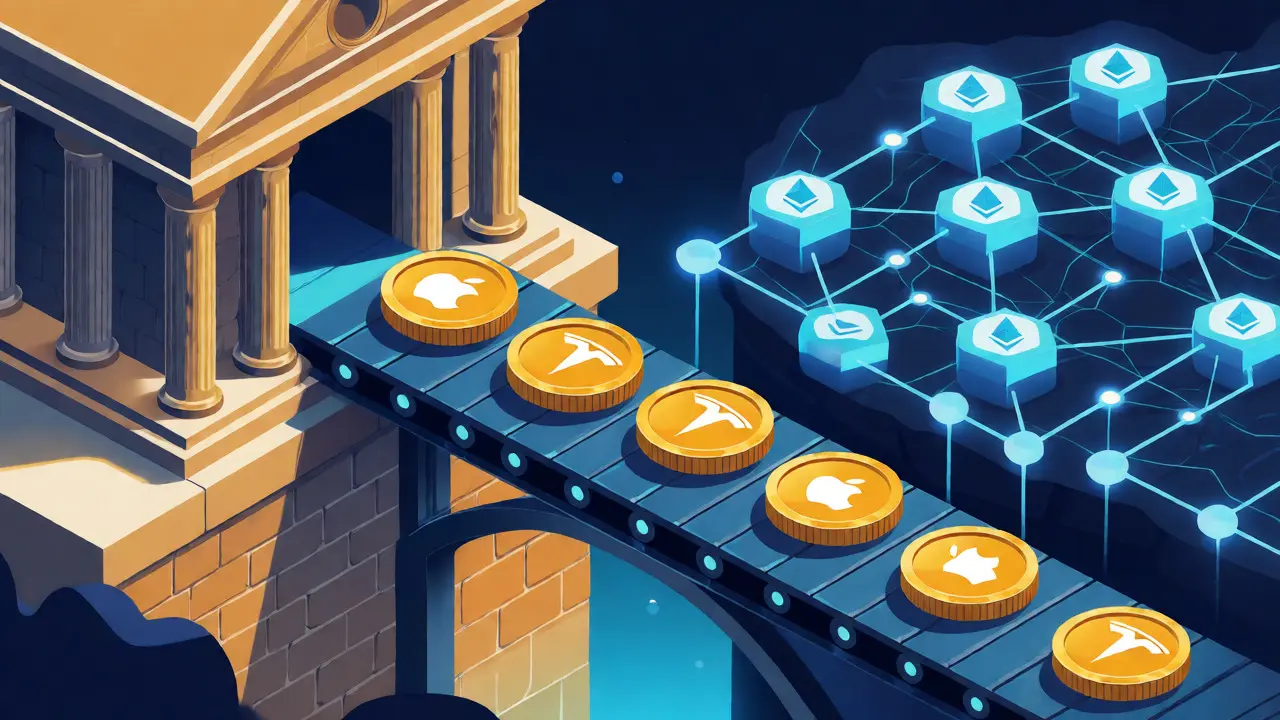
Imagine buying Apple stock at 3 AM on a Tuesday, not through a brokerage that closes its doors for the weekend, but directly from your crypto wallet. That’s the promise of Ondo Global Markets. It isn’t just another crypto exchange chasing meme coins; it’s a bridge connecting the rigid world of traditional finance with the fluid speed of blockchain technology. Launched in late 2025 by Ondo Finance in partnership with Alpaca, this platform lets non-US investors trade over 100 major US stocks and ETFs as tokens on the Ethereum blockchain.
If you’re tired of waiting for market hours or dealing with high minimum investment thresholds, this review breaks down exactly how Ondo works, where it shines, and where it might trip you up. We’ll look at the tech, the risks, and whether it’s worth moving your capital into these digital securities.
What Is Ondo Global Markets?
At its core, Ondo Global Markets is a tokenization platform. It takes real-world assets (RWAs)-specifically publicly traded equities and ETFs-and wraps them in ERC-20 tokens on Ethereum. This process allows the ownership of a share of Tesla or an S&P 500 ETF to be transferred instantly, globally, and without the usual T+2 settlement delays of traditional markets.
The platform was built to solve a specific problem: global access. Many international investors find it difficult or expensive to buy US stocks due to regulatory hurdles, currency conversion fees, or limited broker availability. Ondo removes these barriers by letting anyone outside the US and UK mint these tokens using stablecoins like USDC. Once minted, these tokens behave like any other crypto asset. You can hold them, transfer them, or use them in Decentralized Finance (DeFi) protocols for lending and borrowing.
It’s crucial to understand what this is not. It’s not a synthetic derivative where you bet on price movements without owning the underlying asset. When you buy a tokenized NVIDIA stock on Ondo, you are holding a claim on actual shares held by a regulated broker-dealer. The backing is real, verified daily, and designed to be bankruptcy-remote.
How the Platform Works: Minting and Redemption
Using Ondo Global Markets feels different from trading on Coinbase or Binance because you aren’t just swapping one crypto for another. You are interacting with the traditional financial system via smart contracts.
- Minting: To buy a tokenized stock, you deposit stablecoins (like USDC) into the platform’s smart contract. The contract then instructs the partner broker, Alpaca, to purchase the underlying stock. You receive the corresponding token in your wallet almost instantly.
- Redemption: If you want to cash out, you send the token back to the contract. The platform sells the underlying stock and sends you stablecoins in return. This usually happens during traditional market hours to ensure optimal pricing and liquidity.
- Trading: While minting and redeeming require interaction with the central infrastructure, the tokens themselves can be traded freely on secondary markets or used in DeFi apps 24/7.
This hybrid model offers the best of both worlds. You get the regulatory safety of a registered broker-dealer handling the custody, combined with the programmability and speed of Ethereum. For developers, this means they can build apps that let users collateralize their tokenized stocks to borrow stablecoins, creating new yield opportunities that didn’t exist before.
Key Features and Competitive Edge
Why choose Ondo over other tokenization projects? Several factors set it apart in a crowded field.
First, there’s the partnership with Alpaca. Alpaca is a self-clearing broker-dealer, which means they handle the execution and custody of the underlying securities directly. This reduces counterparty risk compared to platforms that rely on third-party custodians. The integration is deep; Alpaca’s API powers the backend, ensuring that when you see a price on Ondo, it reflects real-time market data from NYSE and NASDAQ.
Second, the focus is on institutional-grade compliance. Unlike some DeFi protocols that operate in gray areas, Ondo emphasizes transparency. They provide daily third-party verification of reserves. This means an independent auditor checks that the number of tokens in circulation matches the number of shares held in custody. For conservative investors wary of crypto hacks or rug pulls, this level of oversight is reassuring.
Third, accessibility. The platform is open to users in Asia-Pacific, Europe, Africa, and Latin America. If you live in Wellington, New Zealand, or London, you can participate. However, if you are in the United States, you’re excluded. This restriction exists because US regulations treat these tokenized securities differently, often requiring more complex licensing that Ondo hasn’t pursued yet for retail US users.

Ondo vs. Traditional Brokers and Other DeFi Protocols
To understand where Ondo fits, let’s compare it to the alternatives. Traditional brokers like Interactive Brokers offer access to US stocks but lack the 24/7 tradability and composability of DeFi. On the other side, pure DeFi protocols like Maple Finance focus on credit markets or uncollateralized loans, which carry higher default risks.
| Feature | Ondo Global Markets | Traditional Brokerage | Pure DeFi Lending Protocol |
|---|---|---|---|
| Asset Type | Tokenized US Stocks & ETFs | Direct Equity Ownership | Crypto Collateral / Credit Pools |
| Accessibility | Non-US Investors Only | Global (varies by region) | Global (Permissionless) |
| Trading Hours | 24/7 Secondary Market | Market Hours Only | 24/7 |
| Custody Model | Bankruptcy-Remote Trust + Broker | Broker Custody | Smart Contract / DAO Governance |
| Yield Source | Stock Appreciation + Dividends + DeFi Lending | Stock Appreciation + Dividends | Lending Interest Rates |
The key takeaway here is specialization. Ondo isn’t trying to replace Robinhood for day traders who want zero-commission options trading. It’s targeting investors who want exposure to US blue-chip companies but also want to leverage those holdings within the blockchain ecosystem. If you plan to sit on your investments and do nothing, a traditional broker might still be simpler. But if you want to lend your "tokenized Apple" against stablecoins while you sleep, Ondo opens that door.
Risks and Limitations to Consider
No platform is perfect, and Ondo has distinct limitations you need to weigh.
Centralization Risk: Despite being on-chain, Ondo relies on centralized entities for the off-ramps. If Alpaca faces regulatory trouble or operational issues, it could impact the ability to mint or redeem tokens. You are trusting a human-run company to manage the bridge between fiat and crypto.
US Exclusion: This is the biggest hurdle. Americans cannot use the platform. This limits the total addressable market and means you won’t see US institutional money flowing in through retail channels easily. It also means if you move to the US, you may need to liquidate your positions.
Liquidity Depth: While the underlying stocks are highly liquid, the secondary market for the tokens themselves is newer. During periods of extreme volatility, the price of the token might deviate slightly from the net asset value (NAV) of the underlying stock if arbitrageurs can’t act fast enough. However, Ondo’s design aims to minimize this by allowing instant redemptions.
Regulatory Uncertainty: The legal status of tokenized securities is still evolving. While Ondo operates within current frameworks, future regulations in jurisdictions like the EU (MiCA) or Asia could change how these tokens are taxed or classified. Always check local laws before committing significant capital.

Who Should Use Ondo Global Markets?
You should consider Ondo if you fit one of these profiles:
- The International Investor: You live outside the US and want easy access to US tech giants without opening a foreign brokerage account.
- The DeFi Power User: You already hold stablecoins and want to diversify into equities while keeping your assets on-chain for lending or collateral purposes.
- The Long-Term Holder: You believe in the growth of US markets but prefer the transparency and auditability of blockchain records over traditional statements.
Conversely, skip Ondo if you are a US resident, a high-frequency trader needing sub-second execution on options, or someone uncomfortable with smart contract interactions.
Final Verdict
Ondo Global Markets represents a mature step forward for Real World Assets. It moves beyond the hype of NFTs and speculative tokens into tangible financial instruments backed by regulated entities. The collaboration with Alpaca provides a solid foundation, and the focus on transparency builds trust.
It’s not a magic bullet. It carries centralization risks and excludes the largest investor base in the world (the US). But for the rest of us, it offers a compelling way to blend the stability of the S&P 500 with the innovation of Ethereum. As the tokenized asset market grows toward the projected $2 trillion mark by 2030, platforms like Ondo will likely become standard tools in a diversified portfolio.
Can US residents use Ondo Global Markets?
No, currently Ondo Global Markets is restricted to non-US investors. This includes excluding both retail and institutional participants from the United States due to specific regulatory requirements regarding security tokens.
Are the tokenized stocks fully backed?
Yes, all tokenized stocks on Ondo are fully backed by actual US stocks and ETFs held by US-registered broker-dealers. The platform undergoes daily third-party verification to ensure that the supply of tokens matches the underlying assets held in custody.
What cryptocurrencies can I use to buy tokenized stocks?
You primarily use designated stablecoins, such as USDC, to mint tokenized stocks. The platform supports subscriptions and redemptions via cash equivalents, ensuring a seamless transition between fiat currencies and blockchain assets.
Is Ondo Global Markets decentralized?
It is a hybrid model. While the tokens exist on the decentralized Ethereum blockchain, the minting and redemption processes rely on centralized partners like Alpaca for execution and custody. This ensures regulatory compliance and asset backing but introduces some centralization points of failure.
Can I earn dividends on tokenized stocks?
Yes, the economic structure of the tokens is designed to pass through the returns of the underlying assets, including dividends. These are typically reflected in the token's value or distributed according to the platform's specific distribution schedule.