
Norway’s Crypto Mining Ban and Data Center Rules: What Operators Need to Know in 2026
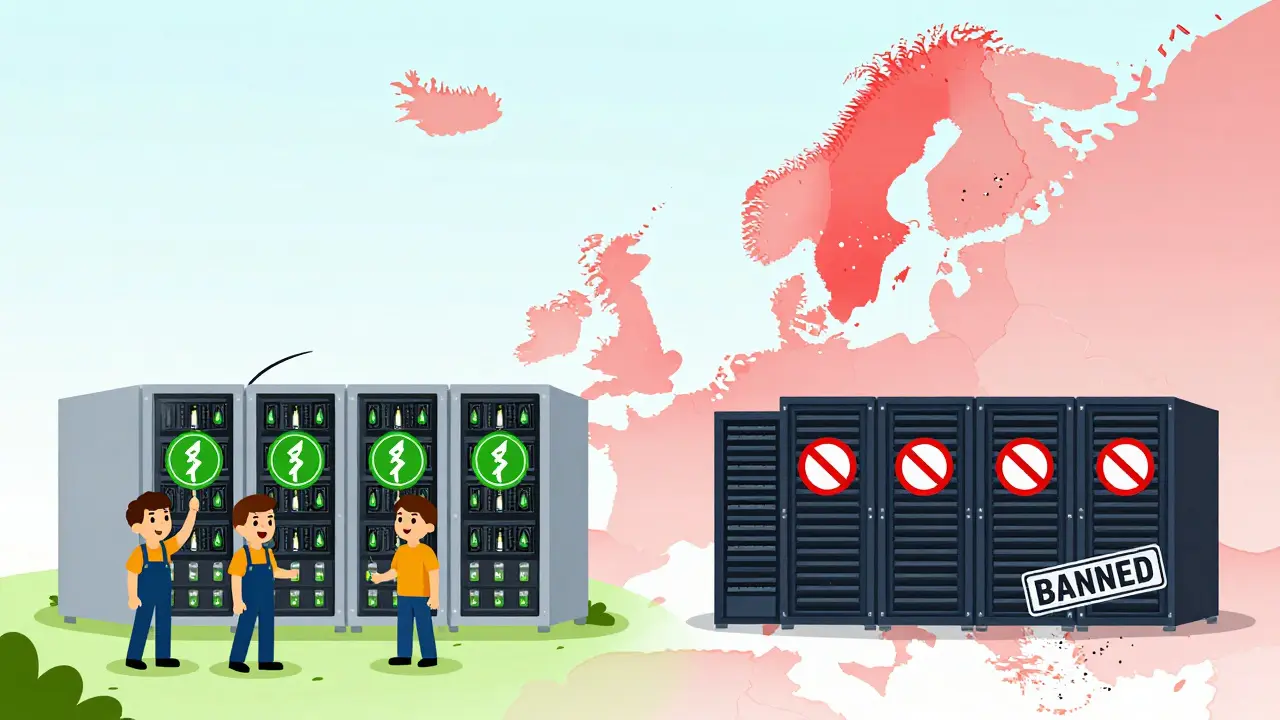
It is no secret that Norway has become the most restrictive jurisdiction in Europe for cryptocurrency mining. If you are looking to build a new mining farm in Scandinavia, you need to rethink your plans immediately. The country has implemented a comprehensive regulatory framework that combines mandatory data center registration with a temporary ban on new power-intensive mining operations. This shift marks a significant departure from the welcoming attitude many Nordic countries once held toward digital asset infrastructure.
The core of this change lies in two major developments: the Norwegian Electronic Communications Act, which came into force on January 1, 2025, creating the first European national data center registry, and a separate temporary ban on new cryptocurrency mining data centers that began in autumn 2025. These measures were driven by government officials who argue that crypto mining consumes excessive electricity while generating minimal local economic benefits. For operators, this means strict compliance requirements and limited expansion opportunities.
The Mandatory Data Center Registry
The Norwegian Communications Authority (Nkom) enforces the new registration system. Under the Norwegian Electronic Communications Act, all data centers must register with the government. Existing facilities had until July 1, 2025, to comply, while new centers must register before construction begins. This requirement applies to all data center operators, regardless of their primary business focus.
Registration demands comprehensive disclosure of operational details. You must provide your company name, physical address, legal status, and contact information for a designated representative. More importantly, you must submit detailed service descriptions and customer lists. This transparency requirement specifically targets cryptocurrency mining operations by forcing operators to declare whether they offer mining services. The goal is clear: enable government oversight and potential intervention in power-intensive activities.
Non-compliance carries severe financial penalties. Authorities can impose fines up to 5% of annual turnover. This represents one of the strictest enforcement mechanisms in the European data center industry. For small-scale miners or independent operators, these administrative costs and legal risks create significant barriers to entry. Many have reported frustration with the evolving regulatory landscape, citing increased compliance burdens as a major concern.
| Requirement | Details | Deadline/Status |
|---|---|---|
| Company Information | Name, address, legal status | Ongoing |
| Service Description | Detailed overview of services offered | Ongoing |
| Customer Lists | Specify public agencies vs. private businesses | Ongoing |
| Mining Declaration | Must declare if offering crypto mining services | Ongoing |
| Penalty for Non-Compliance | Fines up to 5% of annual turnover | Enforced since Jan 1, 2025 |
The Temporary Ban on New Mining Operations
In addition to registration requirements, Norway introduced a temporary ban on new cryptocurrency mining data centers. Announced in April 2024 and implemented in autumn 2025, this ban specifically targets facilities using the most energy-intensive mining technologies. The policy leaves existing operations intact but prevents any new entrants from establishing mining farms in the country.
Government ministers have been explicit about their intentions. Minister Karianne Tung stated that "The Labour Party government has a clear intention to limit the mining of cryptocurrency in Norway as much as possible." Energy Minister Terje Aasland emphasized redirecting electricity to industries providing greater social and economic benefits. They characterize crypto mining as "very power-intensive and generates little in the way of jobs and income for the local community."
This approach differs significantly from China's 2021 complete crypto mining ban. Norway maintains existing operations while blocking new construction. However, the lack of precise energy consumption thresholds in public documentation creates uncertainty for borderline operations. International mining companies have reportedly relocated planned investments to jurisdictions with more favorable regulatory environments, particularly other Nordic countries and North American locations with abundant renewable energy.

Energy Policy and Environmental Justification
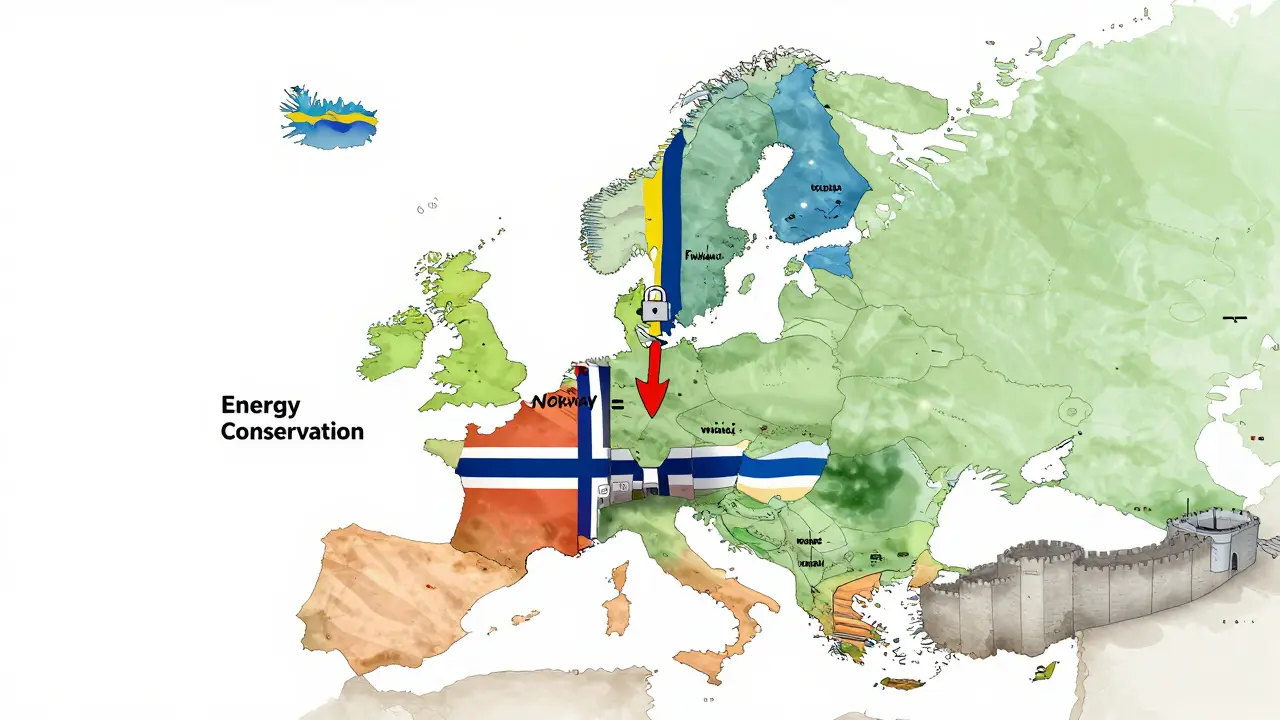
Norway's regulatory justification centers on energy conservation and environmental sustainability goals. Despite having abundant hydroelectric power generation, government officials argue that cryptocurrency mining consumes excessive electricity without contributing meaningfully to local economies. This represents a fundamental shift in how Nordic countries approach renewable energy utilization in the digital economy.
Historically, countries like Iceland, Sweden, and Finland attracted mining operations through competitive electricity pricing and favorable regulatory environments. Norway's restrictive stance contrasts sharply with these neighbors. While still part of the broader Nordic region, Norway prioritizes traditional industries, manufacturing, and public services over speculative digital asset activities. Energy policy analysts generally support this resource allocation priority, viewing it as a model for sustainable energy policy in the digital asset sector.
Environmental advocacy groups also back Norway's approach. They argue that limiting power-intensive crypto mining helps preserve renewable resources for essential services and high-value industries. However, cryptocurrency advocates criticize the restrictions as technologically discriminatory, arguing that innovation should not be stifled based on energy usage alone.
Impact on the Cryptocurrency Industry
The market impact extends beyond Norway's borders. Cryptocurrency mining companies are reassessing their Nordic expansion strategies, potentially affecting regional hash rate distribution. Energy-intensive mining operations are relocating to jurisdictions with less restrictive regulatory environments. This regulatory arbitrage may concentrate mining activities in countries prioritizing cryptocurrency industry development over energy conservation.
For existing operators in Norway, the future remains uncertain. While current facilities continue operating, there are concerns about potential expansion of restrictions beyond new facility prohibitions. Government officials have suggested ongoing evaluation of cryptocurrency mining's compatibility with Norway's climate goals and energy priorities. Long-term viability depends on policy evolution and whether current restrictions expand to encompass operational facilities.
International observers monitor Norway's approach as a potential model for other countries facing similar energy allocation decisions. The autumn 2025 implementation timeline positions Norway as a regulatory testing ground for balancing renewable energy utilization with digital asset industry growth. Other nations may look to Norway when deciding how to handle their own crypto mining sectors.
Compliance Challenges and Legal Complexities
Implementation challenges include defining precise energy consumption thresholds for the temporary ban and coordinating enforcement between multiple government agencies. Technical operators must comply with both data center registration requirements and emerging cryptocurrency asset regulations. This requires specialized legal expertise and compliance infrastructure.
The Norwegian Financial Supervisory Authority (FSA) completed consultation papers in February 2024 for MiCA implementation. This adds another layer of complexity as crypto mining operations navigate both energy restrictions and financial services regulations. Companies must stay updated on changes in both areas to avoid penalties.
Small-scale miners face particular difficulties. Registration costs and administrative requirements disproportionately affect smaller operators compared to large industrial firms. Community discussions highlight the tension between technological innovation and resource conservation priorities. Many express frustration with what they see as overly burdensome regulations that hinder individual participation in the crypto ecosystem.
Can I still run an existing crypto mining operation in Norway?
Yes, existing cryptocurrency mining operations remain legal and operational under current regulations. The temporary ban only applies to new mining data centers constructed after autumn 2025. However, all existing facilities must register with Nkom and comply with disclosure requirements regarding their services and customers.
What happens if I fail to register my data center?
Non-compliance with registration requirements can result in financial penalties up to 5% of your annual turnover. This is one of the strictest enforcement mechanisms in Europe. Additionally, authorities may intervene directly in your operations if they determine you are violating energy policies or failing to disclose required information.
Why did Norway implement such strict crypto mining regulations?
Norway implemented these regulations to conserve energy resources and prioritize industries that generate greater social and economic benefits. Government officials argue that crypto mining consumes excessive electricity while creating few local jobs or income for communities. The policy aims to redirect power toward traditional industries, manufacturing, and public services.
How does Norway's approach compare to other European countries?
Norway's approach is significantly more restrictive than most European jurisdictions. Countries like Iceland, Sweden, and Finland have historically welcomed crypto mining due to abundant renewable energy. Norway's combination of mandatory registration and a ban on new mining operations makes it the most restrictive jurisdiction in Europe for crypto mining activities.
Will the temporary ban on new mining operations ever end?
Currently, there is no defined end date for the temporary ban. Government officials have indicated ongoing evaluation of cryptocurrency mining's compatibility with Norway's climate goals. Future developments could include permanent restrictions or expansion of current rules to cover existing operations. Operators should monitor policy updates closely.