
No capital gains tax on Bitcoin in El Salvador: Rules & Reality for 2026
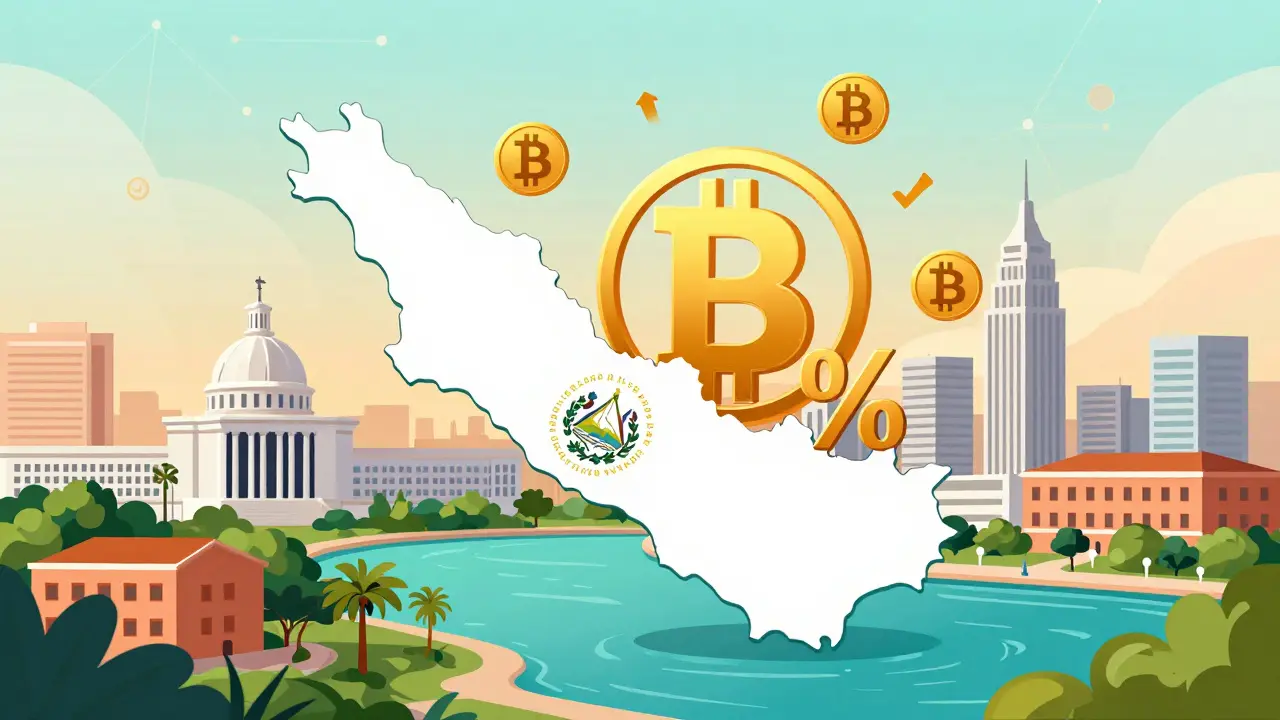
The Short Version: Is It Still a Tax Haven?
If you are holding Bitcoin in 2026, the headline sounds too good to be true: No capital gains tax on Bitcoin. But here is the reality check before you move your entire portfolio to Central America. Yes, El Salvador officially exempts individuals and businesses from paying capital gains tax on Bitcoin transactions. However, the landscape shifted significantly following the December 2024 agreement with the International Monetary Fund (IMF). While the core tax benefit stands firm, the regulatory environment has tightened in ways that matter for traders and business owners alike.
This isn't just a blanket "no tax" zone without strings attached. To enjoy these benefits, you need to understand the distinction between how residents operate versus how foreign investors participate. For example, non-residents investing more than three Bitcoin (₿3) in the country get full capital gains exemption. Domestic users have always had this perk, but international players face compliance hurdles managed by the National Commission of Digital Assets (CNAD). If you are reading this in April 2026, know that the February 2025 legal amendments changed the mandatory acceptance rules, yet preserved the tax exemptions that make this jurisdiction unique.
How the Zero-Tax Policy Actually Works
El Salvador made Bitcoin legal tender back in September 2021. That original Digital Assets Law created the framework for today's tax structure. The government treats Bitcoin gains as non-taxable income, which is a massive advantage compared to standard financial systems where every profit triggers a liability.
However, you cannot ignore the operational side. Even if you don't pay tax on gains, you still need to file reports. The Ministry of Finance requires clear record-keeping. This means maintaining transaction logs that show acquisition dates, prices, and disposal events. Without these records, you might trigger audits even if the tax rate is zero. It sounds counterintuitive-reporting when you owe nothing-but compliance proves the source of funds and prevents money laundering flags.
For businesses operating here, the rules differ slightly. Companies registered as Bitcoin Service Providers (BSP) under the local laws receive exemptions from corporate income tax and service transfer taxes. Yet, they remain subject to Value Added Tax (VAT) obligations depending on the nature of their services. You see, while the *gains* are untaxed, the *operations* often incur VAT costs unless covered by specific LEAD program incentives.
Who Qualifies for the Exemption?
Not everyone walking down Avenues in San Salvador gets these breaks. Eligibility hinges on two main factors: residency status and investment volume.
- Residents: Citizens and permanent residents trading Bitcoin automatically qualify for the capital gains exemption. This applies to personal wallets and trading activities conducted on licensed platforms.
- Foreign Investors: To access the tax-free status, non-residents must meet specific criteria. The current threshold requires an investment exceeding ₿3 (three Bitcoin) deposited into approved local projects or infrastructure.
- Cryptocurrency Businesses: Local companies handling crypto operations can apply for the Digital Asset Service Provider (DASP) license. This grants them broader protections and ensures they aren't double-taxed under traditional commercial codes.
You might wonder why the government imposes an investment threshold for foreigners. It serves as a filter to attract serious capital rather than casual day-traders moving funds in and out daily. The logic is to build long-term economic stability through substantial crypto adoption rather than speculative churn.
The Impact of the 2024-2025 IMF Deal
You can't talk about El Salvador's crypto policy in 2026 without mentioning the $1.4 billion loan signed in December 2024. When the IMF stepped in, many worried the tax haven status would disappear overnight. Fortunately, the negotiations resulted in a compromise that kept the capital gains exemption intact.
The trade-off was significant elsewhere. Mandatory acceptance of Bitcoin by merchants was removed. Previously, businesses were legally required to accept Bitcoin payments; after the amendments passed in February 2025, this became voluntary. Additionally, the government stopped making all tax payments in Bitcoin, shifting back to fiat currency for public debt obligations.
Despite these changes, the National Commission of Digital Assets (CNAD) continues to oversee the ecosystem. Their job is ensuring that despite the relaxed merchant requirements, the market stays transparent. If you are setting up a wallet business now, you'll notice stricter KYC (Know Your Customer) protocols than in previous years. The IMF deal essentially swapped some autonomy for financial stability, leaving the zero-tax policy as the anchor point for future growth.
Comparison: El Salvador vs Other Crypto Havens
Is El Salvador actually the best option globally? Let's look at the competition in 2026. While they lead on Bitcoin-specific policies, other nations offer competitive environments for different types of investors.
| Jurisdiction | Capital Gains Status | Income Tax Rate | Regulatory Body |
|---|---|---|---|
| El Salvador | 0% (on Bitcoin) | Varies (Exemptions available) | CNAD |
| United Arab Emirates | 0% (All assets) | 0% | FSCA (Dubai) |
| Germany | 0% (after 1 year hold) | Standard Income Tax | BAFin |
| Portugal | 0% (Long-term) | Standard Income Tax | CMVM |
| Cayman Islands | 0% (Broadly) | 0% | CIMA |
You will notice a key difference in the table above. While the UAE offers broad zero taxation across the board, El Salvador specifically targets Bitcoin as legal tender. This creates a deeper integration with the daily economy. In Germany, you only avoid tax if you hold the asset for over 12 months. El Salvador removes this time constraint entirely. You can flip Bitcoin today and keep the profit tax-free.
Adoption Rates and Market Reality
Policies are great, but do people actually use the system? Data from the Instituto Universitario de Opinión Pública (Iudop) paints a complex picture. Usage among locals peaked at 25.7% in 2021 but has trended downward. By 2024, daily usage dropped to roughly 8.1%. Why the decline? Economic instability and familiarity issues play a role, alongside inflation pressures affecting purchasing power.
Despite the drop in retail usage, the investment angle remains strong. The country's sovereign Bitcoin holdings showed impressive performance. As of March 2024, the national treasury held Bitcoin worth 50% more than its purchase price. President Nayib Bukele's administration used this bull run to validate the strategy, though the domestic population hasn't fully adopted the currency for daily groceries yet. This suggests the policy might be working more as a macro-economic hedge for the nation-state rather than a consumer payment tool for citizens.
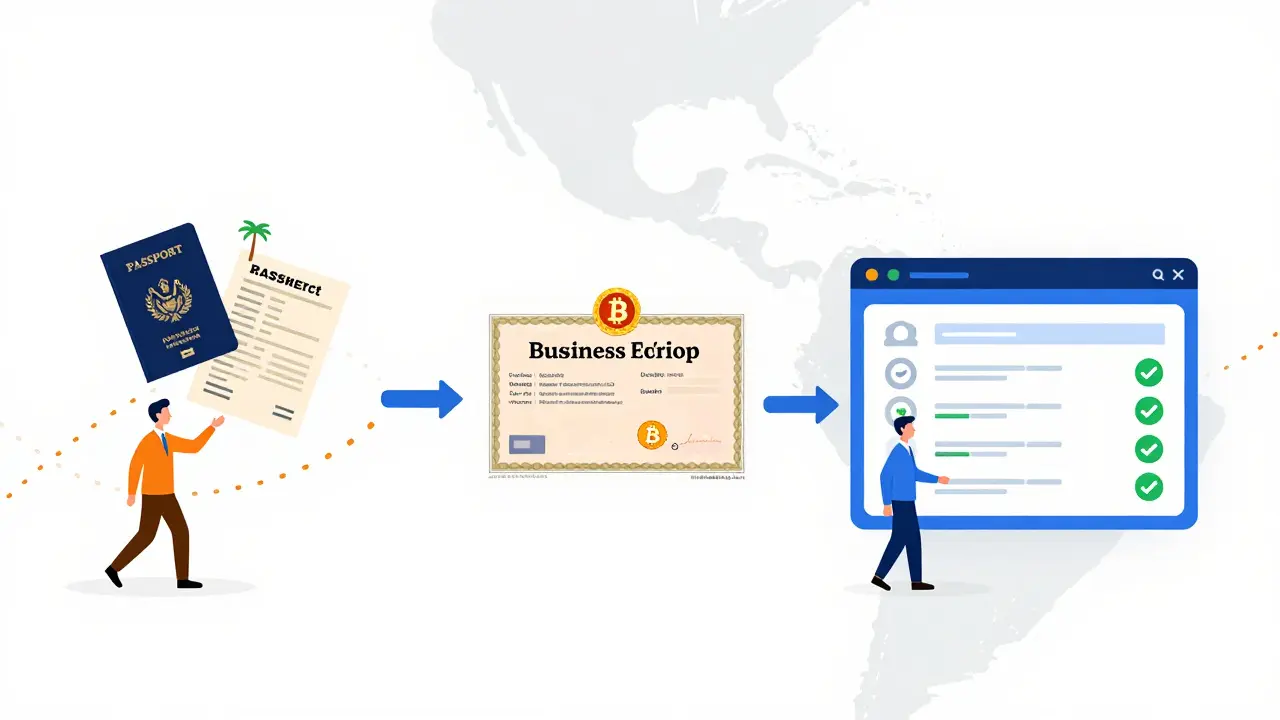
Practical Steps to Access the Benefits
If you want to set up shop in El Salvador to utilize this tax regime, here is the roadmap based on current 2026 regulations:
- Determine Residency Needs: Decide if you want temporary residency or citizenship. For tax exemption on personal gains, you generally need to register as a resident taxpayer.
- Register with CNAD: If you are running a business, you cannot skip this step. Apply for either a BSP license (Bitcoin only) or DASP license (other tokens).
- Prepare Financial Records: Set up accounting software that tracks cost basis per token. Since there is no tax deduction to claim, the focus is strictly on reporting compliance.
- Maintain Foreign Investment Thresholds: If you are an outsider, ensure you maintain the minimum investment level (currently ₿3) to keep your tax-free status valid year-over-year.
- Navigate VAT Requirements: Consult with local accountants regarding VAT registration. Even if income tax is waived, certain transaction types might trigger VAT liabilities depending on service classification.
Risks and Considerations
No paradise is perfect. Relying on this tax haven comes with geopolitical risks. Political stability can change, and foreign exchange controls might tighten. Furthermore, banking relationships with traditional US or European banks can be tricky for Salvadoran crypto entities. Money transfer friction exists because major clearing houses treat jurisdictions with high-risk profiles cautiously.
Another consideration is the volatility of Bitcoin itself. If you base your life savings in an asset with no capital gains tax, your net wealth still fluctuates wildly. The tax benefit doesn't stop the price from dropping. Many investors mistakenly think a tax break solves exposure risk-it does not. It only preserves the upside when the market rallies.
Conclusion: The Verdict for 2026
El Salvador maintains its position as the world's primary Bitcoin jurisdiction. The removal of mandatory merchant acceptance reduced friction, keeping the policy viable under IMF scrutiny while preserving the core benefit: zero tax on Bitcoin profits. For investors looking to optimize their tax burden, this jurisdiction remains unmatched in terms of legal clarity and historical precedent.
Can foreign residents live in El Salvador and avoid tax?
Yes, foreigners can enjoy tax benefits, but you typically need to establish residency. Non-resident investors must invest at least ₿3 to qualify for capital gains exemption. If you are living locally, you become a tax resident, which gives you different filing obligations compared to remote investors.
Does this tax exemption apply to altcoins?
The specific zero tax provision focuses heavily on Bitcoin as the designated legal tender. While other digital assets fall under the Digital Asset Service Provider (DASP) umbrella, the tax code explicitly privileges Bitcoin. Holding Ethereum or other altcoins may be treated differently regarding specific exemptions, so consult a local lawyer before assuming total immunity.
Did the IMF deal end the Bitcoin law?
No, the law survived the December 2024 agreement. The IMF deal mandated changes like stopping mandatory merchant acceptance and pausing some public spending in Bitcoin, but it did not repeal the capital gains tax exemption. The exemption remains a cornerstone of the country's economic strategy.
What documents are needed for compliance?
You need accurate transaction logs showing purchase price, sale price, and timestamps. Additionally, businesses must submit annual reports to the Ministry of Finance. Keep your KYC information updated with the CNAD to prevent account freezes during routine audits.
Is it safe to hold large amounts there?
Safety depends on multiple factors beyond the tax policy. While the government supports the asset, crime rates and banking infrastructure vary. Using institutional custodians regulated by CNAD provides higher security than keeping funds in personal wallets exposed to theft or loss.
19 Comments
It is really interesting to see how the IMF deal impacted the regulations! The capital gains exemption remaining intact is huge news for anyone planning a move. You definitely need to check the residency requirements though because they changed slightly in 2025.
The macroeconomic implications of this sovereign strategy remain dubious at best. While the zero-tax narrative persists, the underlying fiscal stability relies heavily on speculative inflows rather than organic growth. Regulatory arbitrage often leads to eventual capital flight when external audits tighten compliance standards across jurisdictions. We cannot ignore the historical precedents set by similar offshore structures that eventually crumbled under international pressure. The distinction between legal tender adoption and actual merchant utility remains critically weak.
I completely agree with the assessment regarding the structural weakness of relying on speculative capital for national solvency. When the market corrects significantly, these policies often fail to provide the necessary liquidity buffers that traditional fiat systems offer during downturns. The removal of mandatory acceptance was merely a cosmetic adjustment to satisfy international financial institutions without addressing the core volatility issues inherent in cryptoassets. Furthermore, the lack of consumer protection mechanisms for daily transactions creates significant risk exposure for average citizens who might lose funds due to technical failures or fraud. International cooperation on anti-money laundering protocols suggests tighter scrutiny is imminent regardless of local legislative stances. The geopolitical risk premium associated with this jurisdiction is far higher than most retail investors realize before committing substantial assets to local banks. We need to consider how banking relationships with SWIFT participants view entities domiciled here. Transaction friction often goes unnoticed until you need to move funds out quickly. Most high-net-worth individuals prefer diversified holdings rather than concentrating everything in one volatile basket. The narrative of tax optimization ignores the potential loss of purchasing power if local inflation spikes dramatically.
How delightfully naive it is to believe any nation can sustain such a radical monetary experiment without consequences. The presumption that cryptocurrency constitutes a stable store of value contradicts virtually every economic principle taught in accredited universities. These enthusiasts cling to the hope of tax evasion while ignoring the fundamental risks involved. It is truly amusing to watch them champion what amounts to a glorified casino operation.
civil liability still applies even if tax doesnt
This is such a scary perspective honestly!! People are going to lose everything because they think the government will protect them. It feels wrong to ignore the warning signs everyone is posting. Why cant we just focus on real safety instead of gambling?😱
i reccomend getting your accoutn set up early bc thie rules chanage fast. u need to log evrything or u get audited. its free but u still hav ta report. dont wait til it is too late for paper work.
I love seeing communities embrace new technologies with such passion and hope! There is so much potential for freedom in digital assets when managed correctly. Keep believing in the possibilities!
ur so naiiv to think freedom exists w/o consequence. true phillsofhy says wealth is control. the masses just want tax hacks. they dont understnad the deeper economic machinations at play here. real power lies in understanding leverage. stop dreaming and look at history books.
the whole system is built on sand and i feel like nobody actually sees the cracks forming everywhere around us. people rush into el salvador thinking they found paradise when the reality is likely quite grim for the common investor. regulatory bodies in washington watch this closely and will inevitably find ways to restrict fund flows. you might not owe taxes today but tomorrow a foreign court could freeze your assets simply due to suspicion of illicit origins. compliance reporting requirements create a massive administrative burden that eats up the savings gained from avoiding capital gains levies. i doubt most individuals have the resources to maintain proper audit trails required by ministry officials. without strict accounting practices you become a prime target for random investigations that ruin lives. the imf deal was only a temporary reprieve before stricter conditions emerge globally. trust no one and verify every single detail of the legal framework yourself before risking anything significant. i suspect the banking infrastructure will lag behind leaving holders stuck with illiquid assets. volatility remains the silent killer even if the taxman does not take his share. political shifts happen faster than legislation gets passed which puts everyone in limbo. the concept of legal tender status is largely symbolic rather than functional for daily commerce currently. merchants will revert to dollars as soon as inflation makes bitcoin too painful to price goods in. foreign residents face even more hurdles than locals regarding residency proof and background checks. ultimately the perceived advantage evaporates under real world scrutiny and operational friction costs.
Uhh wow such a pessimistic outlook from you 😒. Clearly you have never benefited from smart investments. Only losers complain about potential risks before they even start trying 😂. Hope you enjoy watching others succeed while you stay scared :) 👏
While the risks are certainly present, it is important to acknowledge the legal clarity provided by the current statutes. Investors should conduct due diligence and consult professional advisors before making decisions. The exemption offers a legitimate opportunity for structured asset management in a favorable environment.
Absolutely correct! We need to encourage positive growth mindsets while staying informed. 🚀 The ecosystem is evolving rapidly with amazing opportunities for everyone willing to learn. Let's build a future together with transparency and innovation!
just a reminder that rules change often.
That is a very valid point considering the pace of legislative amendments seen over the past couple of years. Staying updated with official publications from the ministry helps mitigate confusion regarding sudden shifts in requirements. Many people overlook the minor clauses that can drastically alter filing obligations without notice. It is always better to err on the side of caution when dealing with cross-border financial instruments.
u guys r missing the big picture 🤯 the govt holds btc and prints money like crazy. its a hedge against the fed! 💸 u just need to hold long term for max profits 📈 dont panic sell when dips happen 🕳️ this is the real economy coming for u all 😎
yea totally agree with that sentiment lol 👍. its kinda wild how fast things are moving right now 🤷♂️. hopefully we dont lose our keys or something weird happens 🙄.
Wake up sheeple! They're using this tax loophole to launder dirty money from cartels and oligarchs alike. The deep state allows it so they can track every satoshi moved across borders. Sovereign immunity is just a myth created to distract from the surveillance state agenda. Trust nothing that isn't on the blockchain personally verified by you.
While paranoia is understandable, focusing on constructive solutions is much more beneficial for everyone involved. We can all support privacy while ensuring we follow basic security hygiene. Taking care of personal records protects you regardless of outside narratives.