
Nigeria's Crypto Banking Ban Reversal: From Prohibition to Regulation (2021-2025)
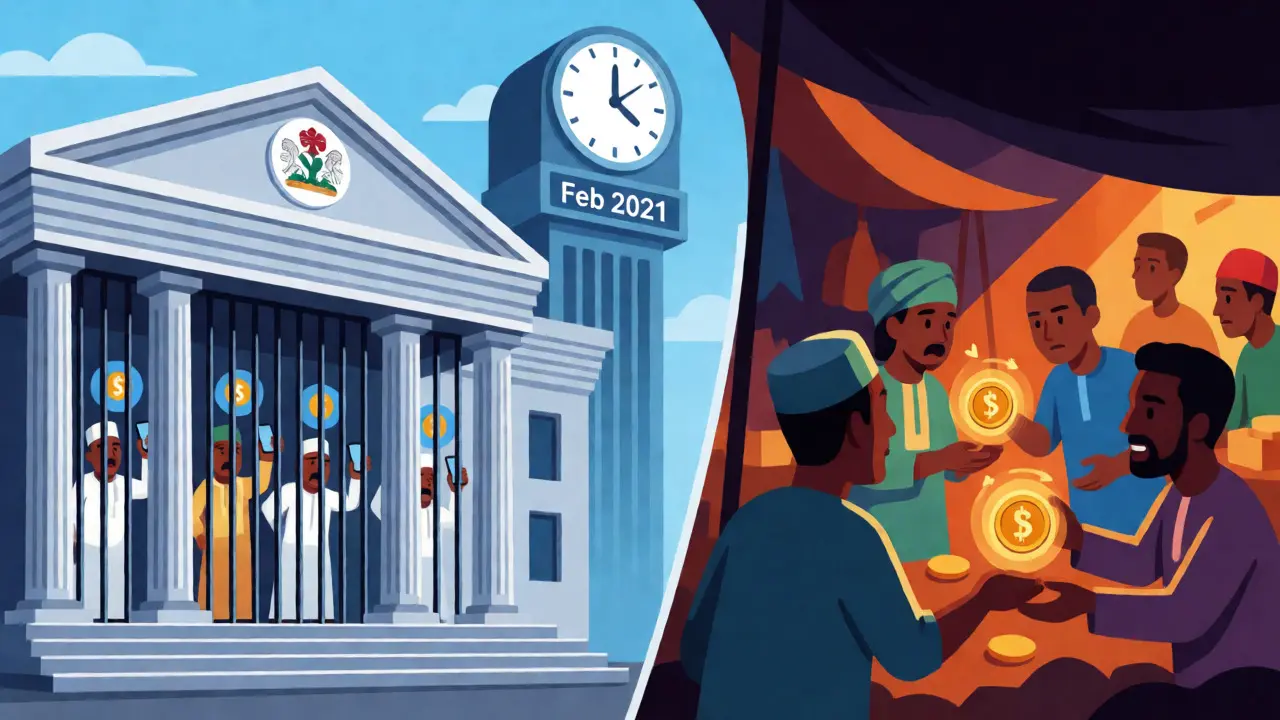
Imagine being told you can own gold but cannot walk into a bank with it. That was the reality for millions of Nigerians between 2021 and 2023. The Central Bank of Nigeria (CBN) had effectively cut off the banking lifeline for cryptocurrency transactions, forcing traders into the shadows of peer-to-peer markets. But something shifted. By late 2023, the hardline stance softened, and by 2025, a comprehensive legal framework emerged. This isn't just a story about policy changes; it's about how one of Africa's largest economies realized that banning technology doesn't stop adoption-it just drives it underground.
The Shockwave: February 2021 Ban
To understand the reversal, you have to look at where things started. In February 2021, Governor Godwin Emefiele dropped a bombshell circular. He didn't just warn banks; he barred them from processing any cryptocurrency-related transactions. His reasoning? "Opaque activities" threatened the financial system's safety. It was a blunt instrument. Commercial banks were ordered to close accounts linked to crypto exchanges and refuse transfers from fintechs facilitating these trades.
This wasn't entirely new territory. A directive in January 2017 had already tried to curb Bitcoin usage, but the 2021 ban was different. It was absolute. Banks stopped servicing exchanges like Binance and Yellow Card almost overnight. For the average Nigerian, this meant moving money became a headache. You couldn't just deposit Naira via bank transfer anymore. Instead, users flocked to peer-to-peer (P2P) platforms, creating a parallel economy where trust was personal, not institutional.
Adoption Defies Prohibition
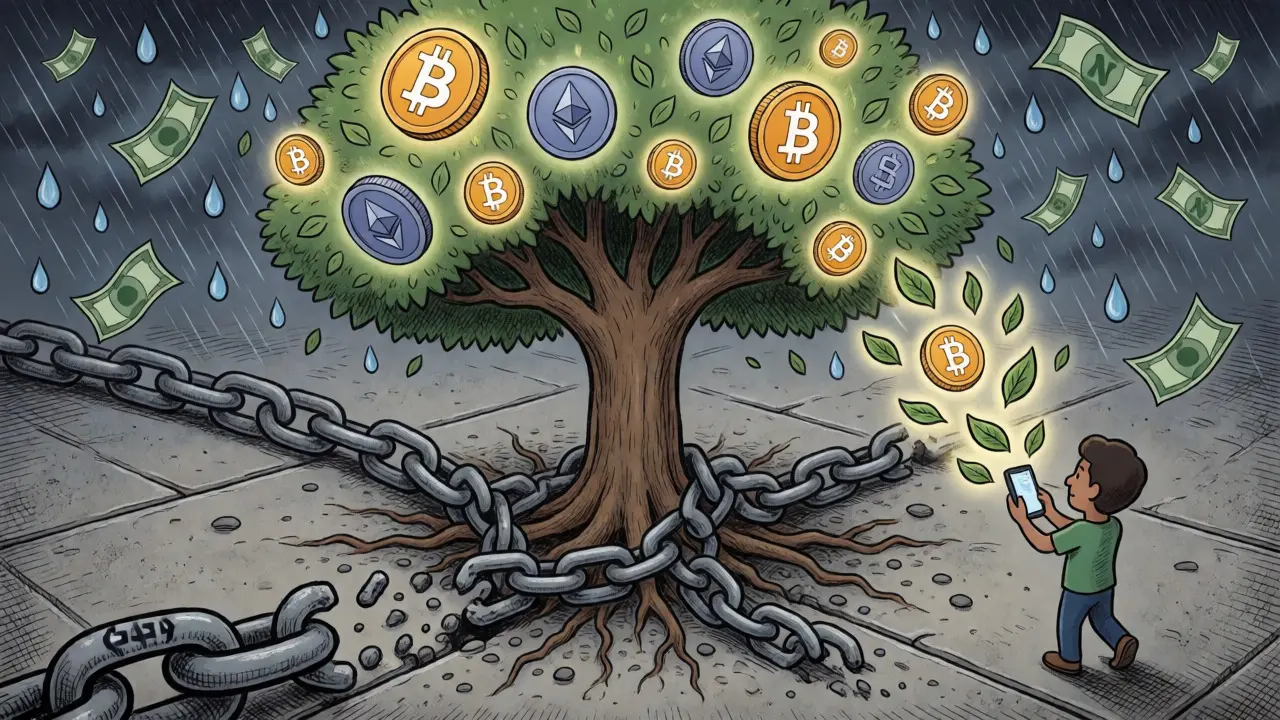
Here is the counter-intuitive part: the ban didn't kill crypto in Nigeria. It arguably made it stronger. While regulators worried about capital flight, the data showed explosive growth. By 2022, Nigeria ranked second globally for P2P trading volume on major exchanges. Why? Because the Naira was struggling against the US Dollar. People weren't buying Bitcoin to get rich quick; they were using stablecoins like USDT to preserve their savings.
The CBN’s strategy relied on the idea that cutting off banking rails would choke liquidity. But Nigerians are resourceful. They adapted. Exchanges ramped up local support, integrating mobile money and direct bank transfers through third-party processors that skirted the strict definition of "crypto transactions." The ecosystem thrived despite the regulatory headwinds, proving that demand for decentralized finance outpaced government control.
The Turning Point: Late 2022 to December 2023
Policy shifts rarely happen in a vacuum. By late 2022, cracks appeared in the CBN's armor. Foreign exchange reserves were under pressure, and the informal nature of P2P trading made monetary policy harder to manage. If you can't track where the dollars are going because everything is happening in WhatsApp groups and Telegram chats, you lose visibility.
The first real sign of change came quietly. Banks began allowing limited interactions with licensed crypto firms. Then, in December 2023, the hammer fell-but this time, it lifted rather than crushed. The new leadership at the CBN officially reversed the 2021 ban. They cited "current global trends," acknowledging that other major economies were regulating, not banning, digital assets. This move allowed banks to resume relationships with cryptocurrency trading platforms, provided those platforms met specific criteria.
The New Framework: SEC Licensing and VASP Guidelines
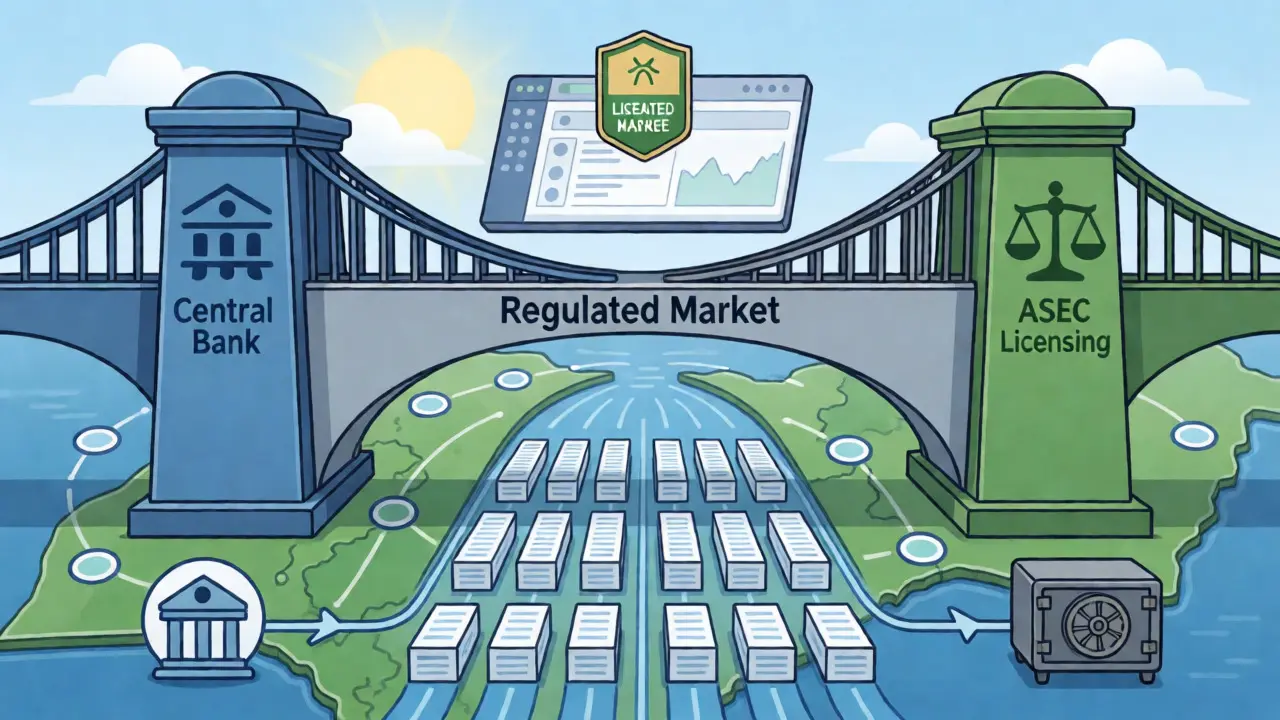
The reversal wasn't a free-for-all. It came with strings attached. The Securities and Exchange Commission (SEC) stepped into the spotlight as the primary regulator for the asset side of the equation. The CBN managed the banking side, while the SEC handled the market conduct. This dual-regulator approach aimed to balance innovation with stability.
Under the new rules, only entities holding a valid license from the SEC could access traditional banking services. These firms are classified as Virtual Asset Service Providers (VASPs). The guidelines introduced prudent transaction limits and prohibited cash withdrawals from crypto-linked accounts to prevent money laundering. It was a structured re-entry, designed to bring the shadow economy into the light.
| Feature | 2021 Ban Era | 2024-2025 Regulated Era |
|---|---|---|
| Banking Access | Prohibited for all crypto transactions | Permitted for SEC-licensed VASPs only |
| Primary Regulator | Central Bank of Nigeria (CBN) | Joint oversight: CBN (banking) & SEC (assets) |
| User Experience | P2P dominant, high friction | Fiat on/off ramps via banks, lower friction |
| Compliance Focus | General prohibition | KYC/AML strictness, FATF Gray List removal |
Legal Clarity: The Investments and Securities Act 2025
If the 2023 reversal opened the door, the Investments and Securities Act (ISA) 2025 built the house. This legislation provided definitive legal recognition for digital assets as securities. Before this, owning crypto existed in a gray area-technically not illegal for individuals, but operationally difficult due to banking bans. The ISA removed that ambiguity.
It established clear compliance requirements for all VASPs. No longer could exchanges operate in a semi-legal limbo. They had to register, report, and adhere to Digital Assets Rules set by the SEC. This shift signaled to international investors that Nigeria was serious about creating a predictable environment. Major players like Yellow Card moved quickly, announcing plans to apply for full licensing and partnering with global giants like Coinbase to expand across Africa.
Ongoing Tensions and Enforcement Risks
Don't let the legislative wins fool you into thinking everything is smooth sailing. The relationship between the Nigerian state and crypto remains tense. Throughout 2024, authorities frequently blamed crypto traders for foreign exchange volatility. There were high-profile clashes, including the detention of Binance executives over allegations involving untraceable funds. Rumors even circulated that national security advisors considered labeling crypto trading a threat to national security.
These incidents highlight a persistent ambivalence. The government wants the tax revenue and formalization benefits but fears losing control over the Naira. The push for stricter KYC (Know Your Customer) and AML (Anti-Money Laundering) measures is partly driven by Nigeria's desire to exit the Financial Action Task Force (FATF) Gray List. Being on this list reduces development financing, so cleaning up the crypto sector is an economic necessity, not just a tech policy choice.
What This Means for Users and Investors
For the average Nigerian, the timeline from 2021 to 2025 represents a journey from survival mode to structured participation. The days of scrambling to find a trustworthy P2P seller on Twitter are fading. With licensed VASPs now able to integrate directly with bank APIs, deposits and withdrawals are faster and safer. However, costs may rise as compliance overheads are passed down to users.
Investors should watch the licensing pipeline closely. Industry insiders suggest that licenses won't be handed out freely. Expect a consolidation phase where smaller, non-compliant exchanges drop out, leaving room for well-capitalized, compliant firms. If you're looking to enter the Nigerian market, stick to platforms that explicitly display their SEC registration status.
Why did the Central Bank of Nigeria ban crypto in 2021?
The CBN banned crypto primarily due to concerns over financial stability and opaque transactions. Governor Godwin Emefiele argued that the lack of transparency in cryptocurrency activities threatened the soundness of the Nigerian financial system and complicated monetary policy management.
Is cryptocurrency legal in Nigeria today?
Yes, cryptocurrency is legal. Following the reversal of the banking ban in December 2023 and the passage of the Investments and Securities Act 2025, digital assets are recognized under law. However, trading must occur through entities licensed by the Securities and Exchange Commission (SEC).
Which agency regulates crypto in Nigeria?
Regulation is split between two bodies. The Securities and Exchange Commission (SEC) oversees the licensing and conduct of Virtual Asset Service Providers (VASPs). The Central Bank of Nigeria (CBN) governs the banking relationships and sets transaction parameters for banks serving these firms.
Can I still use peer-to-peer trading in Nigeria?
Yes, P2P trading remains popular and accessible. While regulated exchanges offer direct bank integrations, many users still prefer P2P for its flexibility or when dealing with platforms that haven't yet secured full banking partnerships. However, the trend is shifting toward regulated fiat on-ramps for better consumer protection.
What are the risks of the new regulations?
The main risks involve implementation delays and potential over-regulation. There is uncertainty about how many licenses will be issued, which could limit competition. Additionally, strict KYC/AML requirements might exclude unbanked populations who previously relied on informal crypto channels.