
NFT Use Cases Beyond Digital Art: Real-World Applications in 2026
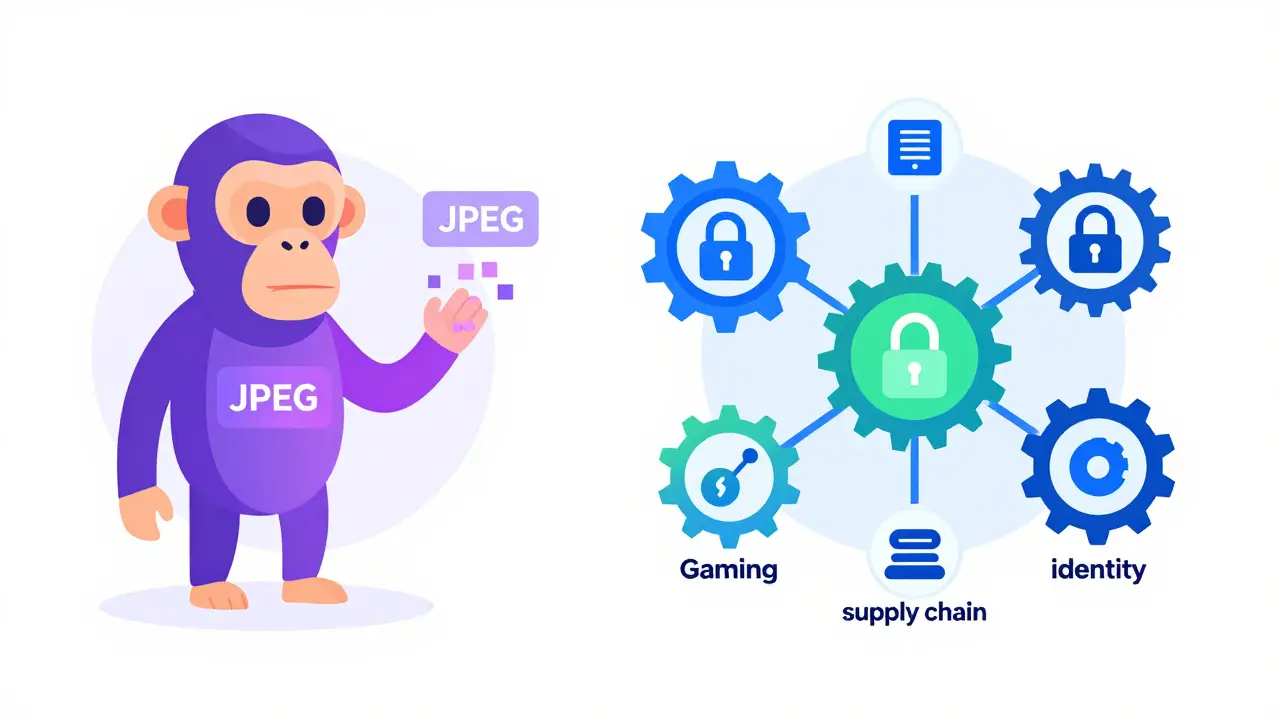
Remember when every conversation about NFTs was non-fungible tokens primarily associated with expensive digital art and cartoon apes felt like a circus? That was 2021. Fast forward to mid-2026, and the hype has cooled into something much more practical. The speculative bubble burst, but the underlying technology didn’t disappear. Instead, it moved underground-into the infrastructure of industries that actually need secure, verifiable ownership records.
If you’re still thinking of NFTs as just JPEGs for sale on OpenSea, you’re missing the point. Today, these unique digital certificates are quietly revolutionizing how we handle everything from luxury handbags to university degrees. They are no longer just collectibles; they are functional tools for proving authenticity, managing access, and securing assets. Let’s look at where this technology is actually being used right now.
Gaming and Virtual Economies
In traditional video games, you don’t really own anything. If you spend hundreds of dollars on a rare sword or a character skin in a Web2 game, that item lives on the publisher’s server. If they shut down the game or ban your account, your investment vanishes. NFTs change this dynamic completely by giving players true ownership of their in-game assets.
When an item is minted as an NFT, it exists on a decentralized ledger, not just on a company’s private database. This means you can trade, sell, or even rent that item outside the game ecosystem. For example, a rare weapon in one blockchain-based RPG might be usable in another compatible game, creating a cross-platform economy. Developers benefit too, as they can create new revenue streams through secondary market royalties. While early "play-to-earn" models faced volatility, modern implementations focus on utility and interoperability rather than pure speculation. Players aren’t just grinding for crypto; they are building portable asset portfolios.
Supply Chain Tracking and Luxury Goods
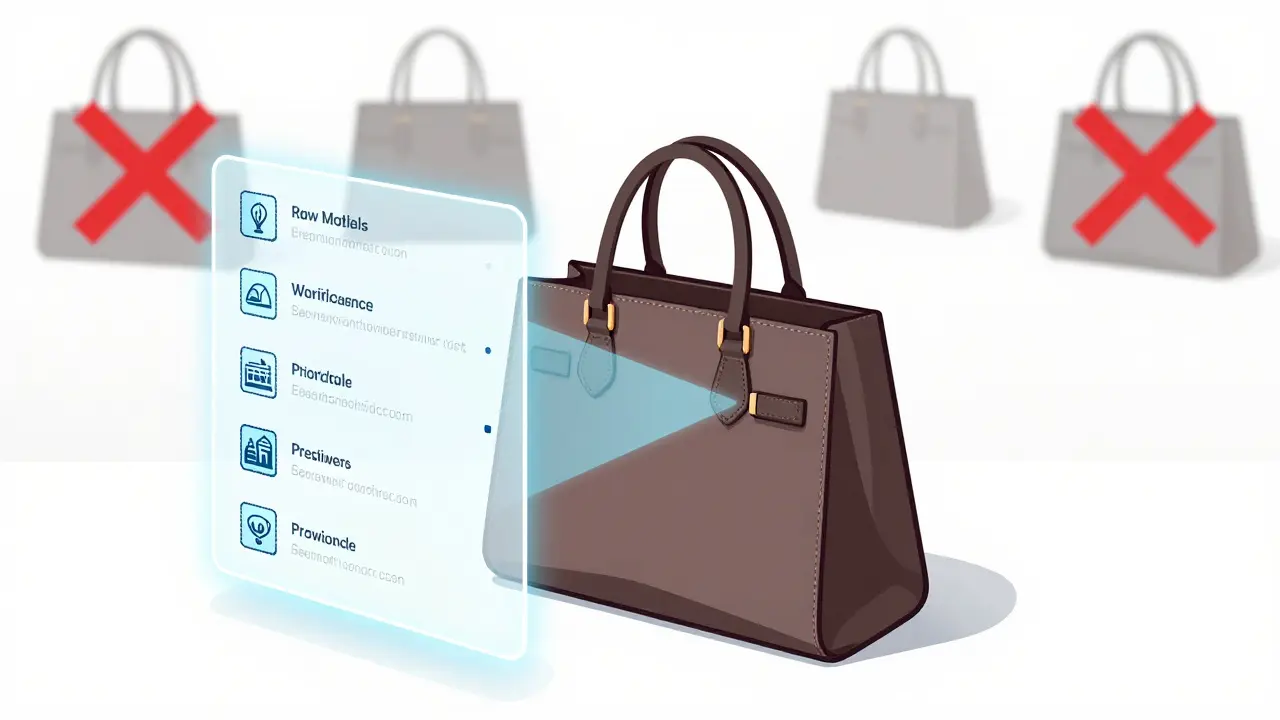
Counterfeiting is a massive problem for luxury brands. Estimates suggest that counterfeit goods cost the global economy billions annually. How do you prove that the $3,000 handbag you bought is genuine? Traditionally, you rely on a paper receipt or a serial number that can be easily forged. Enter NFTs as digital passports.
Brands are now tagging physical products with unique NFT records. When you buy a high-end watch or designer bag, you receive a QR code linked to an NFT. This token contains the item’s entire history: where the materials came from, who manufactured it, and every previous owner. You can scan it anytime to verify authenticity. Because the data is stored on an immutable distributed ledger, no one can alter the provenance record. This transparency helps combat gray-market diversion and gives consumers peace of mind. It’s not just about fashion; this same logic applies to pharmaceuticals, electronics, and even organic food supplies, ensuring ethical sourcing from farm to table.
Digital Identity and Academic Credentials
Think about the last time you had to verify your college degree for a job application. You probably called your university’s registrar, waited days for a transcript, and paid a fee. It’s slow, expensive, and prone to fraud. With NFTs, credentials become instant and tamper-proof.
Educational institutions are issuing diplomas and professional certifications as NFTs. These tokens serve as verifiable proof of achievement. Employers can check the validity of a candidate’s degree directly on the blockchain without contacting the school. This reduces background check times from weeks to seconds. Beyond education, NFTs are being explored for driver’s licenses and medical licenses. The key advantage here is user control. You hold the keys to your identity, sharing only what’s necessary with whom you choose, rather than relying on centralized databases that are frequent targets for hackers.
Real Estate and Physical Asset Tokenization
Buying property is notoriously illiquid. It takes months to close a deal, involves lawyers, title companies, and government registries, and requires huge upfront capital. NFTs are streamlining this process by tokenizing real estate titles.
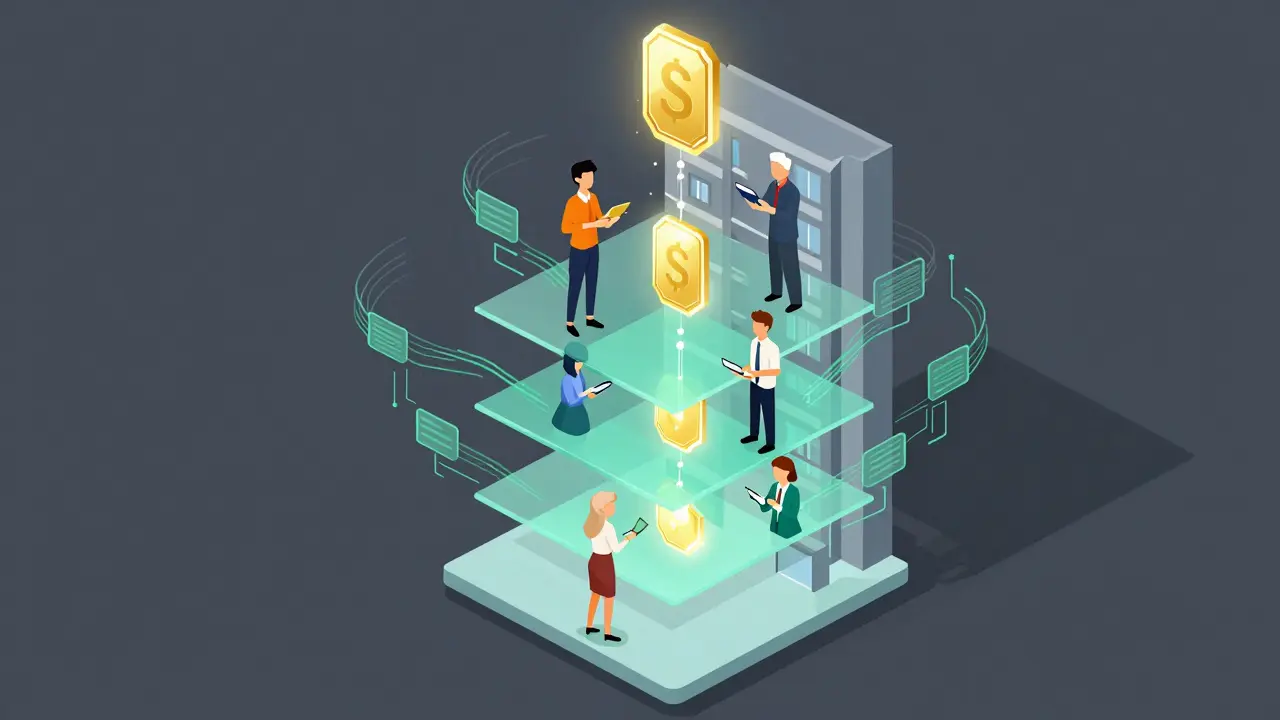
By representing property ownership as an NFT, transfers can happen faster and with fewer intermediaries. More importantly, NFTs enable fractional ownership. A $1 million apartment can be split into 1,000 NFT shares, allowing smaller investors to buy in. This increases liquidity for traditionally stagnant assets. Smart contracts attached to these tokens can automatically distribute rental income to shareholders. While regulatory frameworks are still catching up, pilot programs in several countries have shown that tokenized real estate can reduce administrative overhead and open up investment opportunities to a broader audience.
Ticketing and Event Access
We’ve all been burned by ticket scalpers. You want to see your favorite band, but the tickets are sold out on primary platforms, only to reappear on secondary sites at triple the price. NFTs solve this by embedding resale rules directly into the ticket’s smart contract.
Event organizers can set maximum resale prices or ensure that a percentage of every resale goes back to the artist. Since each ticket is a unique token on the blockchain, counterfeiting becomes nearly impossible. No more fake PDFs or cloned barcodes. Furthermore, NFT tickets can evolve into membership passes. Holding a ticket to one concert might unlock exclusive merch drops or VIP access to future events. This creates a lasting relationship between fans and creators, turning a one-time purchase into a long-term community engagement tool.
Music and Intellectual Property Rights
The music industry has long struggled with fair compensation for artists. Streaming services pay fractions of a cent per play, and labels often take the lion’s share. NFTs allow musicians to sell music directly to fans while retaining control over their intellectual property.
An artist can mint an album as an NFT, offering buyers exclusive content like behind-the-scenes footage, unreleased tracks, or meet-and-greet opportunities. Crucially, smart contracts can automate royalty payments. Every time the NFT is resold on the secondary market, the original creator receives a predefined percentage. This ensures artists benefit from the appreciation of their work over time, something that never happens in the traditional vinyl or CD model. It’s a shift from renting music to owning a piece of its legacy.
Environmental Assets and Carbon Credits
Climate action needs transparency. Voluntary carbon markets have been plagued by issues like double-counting, where the same carbon offset is sold multiple times. NFTs provide a solution by making each carbon credit unique and traceable.
When a conservation project removes a ton of CO2 from the atmosphere, it can mint an NFT representing that specific offset. Once purchased and retired by a company, the token is marked as used on the ledger, preventing reuse. This level of granularity allows businesses to verify their ESG (environmental, social, and governance) claims with precision. Some projects even sell limited-edition NFTs representing protected landscapes, with proceeds funding local conservation efforts. It turns environmental stewardship into a transparent, accountable financial instrument.
| Use Case | Traditional Method | NFT Solution | Key Benefit |
|---|---|---|---|
| Luxury Goods | Paper receipts, serial numbers | Digital passport on blockchain | Immutable provenance, anti-counterfeit |
| Education | Physical diplomas, manual verification | Verifiable credential NFTs | Instant global validation, fraud prevention |
| Real Estate | Title deeds, lawyer-mediated transfers | Tokenized property shares | Fractional ownership, faster settlement |
| Music Royalties | Label-controlled distribution | Smart contract automated payouts | Direct artist compensation, transparent sales |
| Event Tickets | PDF tickets, barcode scanners | Programmable NFT tickets | No counterfeits, controlled resale prices |
Challenges and Future Outlook
Despite the potential, hurdles remain. User experience is still clunky for non-crypto natives. Managing private keys and understanding gas fees can be daunting. Successful deployments abstract these complexities, presenting familiar web interfaces while handling the blockchain logic in the background. Security is another concern; smart contract vulnerabilities can lead to losses, so rigorous audits are essential.
Regulation is also evolving. Governments are figuring out how to classify tokenized assets, especially in real estate and finance. Clarity here will determine whether enterprises adopt NFTs at scale. However, the trajectory is clear. As standards mature and networks become more energy-efficient, NFTs will likely become invisible infrastructure-working behind the scenes to secure our digital and physical worlds.
Are NFTs only useful for digital art?
No. While digital art brought NFTs to mainstream attention, their core function is verifying unique ownership. This makes them valuable for real estate, supply chains, gaming items, academic credentials, and event tickets, among other things.
How do NFTs prevent counterfeiting in luxury goods?
Each physical product is linked to a unique NFT containing its production history and ownership chain. Since blockchain data is immutable, anyone can scan the item’s QR code to verify its authenticity against the unchangeable ledger, making fakes easy to spot.
Can I own a fraction of a house using NFTs?
Yes, through real estate tokenization. Properties can be divided into NFT shares, allowing multiple investors to own portions of a building. Smart contracts can then automate rental income distribution to each shareholder based on their holdings.
Is my personal data safe if I store credentials as NFTs?
It depends on implementation. Best practices involve storing only a cryptographic hash of the document on-chain, not the sensitive data itself. The actual data remains off-chain, accessible only to authorized parties via the NFT key, balancing privacy with verifiability.
What happens to my NFT if the blockchain network shuts down?
Public blockchains like Ethereum are decentralized and designed to be permanent. There is no single entity that can "shut them down." As long as nodes continue to run, the ledger persists. However, if a specific platform hosting metadata fails, the link between the token and its file could break, which is why decentralized storage solutions are recommended.