
Lucent Crypto Exchange Review: Is It Legitimate or a Red Flag?
Before you send a single Satoshi or Cent to any platform that doesn't have a verifiable history, you need to understand the anatomy of a modern crypto trap. Most users aren't looking for a complex whitepaper; they just want to know if their money is safe. If you can't find a registered office, a licensed team, or a history of successful trades, the risk isn't just high-it's absolute.
The Red Flags: What's Missing?
A real exchange doesn't just exist as a website; it exists as a business with a paper trail. When we look at Lucent as a potential trading entity, we see a total absence of critical industry markers. A legitimate exchange should have clear documentation on its KYC (Know Your Customer) processes, which are the standard identity verification requirements used to prevent money laundering. Without these, any platform is essentially an unregulated wild west.
Furthermore, there's no mention of this platform in major security audits. In the crypto space, if a company doesn't undergo a third-party audit of its smart contracts or its reserve holdings, they are essentially asking you to trust them blindly. Remember, trust is not a security strategy. If a platform claims to be revolutionary but lacks a Proof of Reserves (PoR) report, it's likely they aren't actually holding the assets they claim to manage.
How to Spot a "Ghost" Exchange
Many fraudulent platforms use names that sound familiar or corporate to trick you into a false sense of security. For instance, you might find results for Alcatel-Lucent, which is a massive telecommunications company. Scammers often piggyback on the reputation of established brands, hoping you'll confuse a networking giant with a crypto exchange. This is a classic social engineering tactic.
If you're evaluating a new platform, use this checklist to see if it's a ghost:
- The "Too Good to Be True" Promise: Do they guarantee 1% daily returns? No legitimate exchange guarantees profits because markets are volatile.
- Urgency Tactics: Are they pushing you to deposit quickly to catch a "limited time' offer? Scammers love creating artificial panic.
- Vague Team Profiles: Does the "About Us" page feature stock photos of people in suits with generic titles like "CEO" and "Lead Developer" but no LinkedIn profiles?
- Withdrawal Walls: Do they ask for a "tax payment" or "activation fee" before you can withdraw your funds? This is the hallmark of a pig-butchering scam.
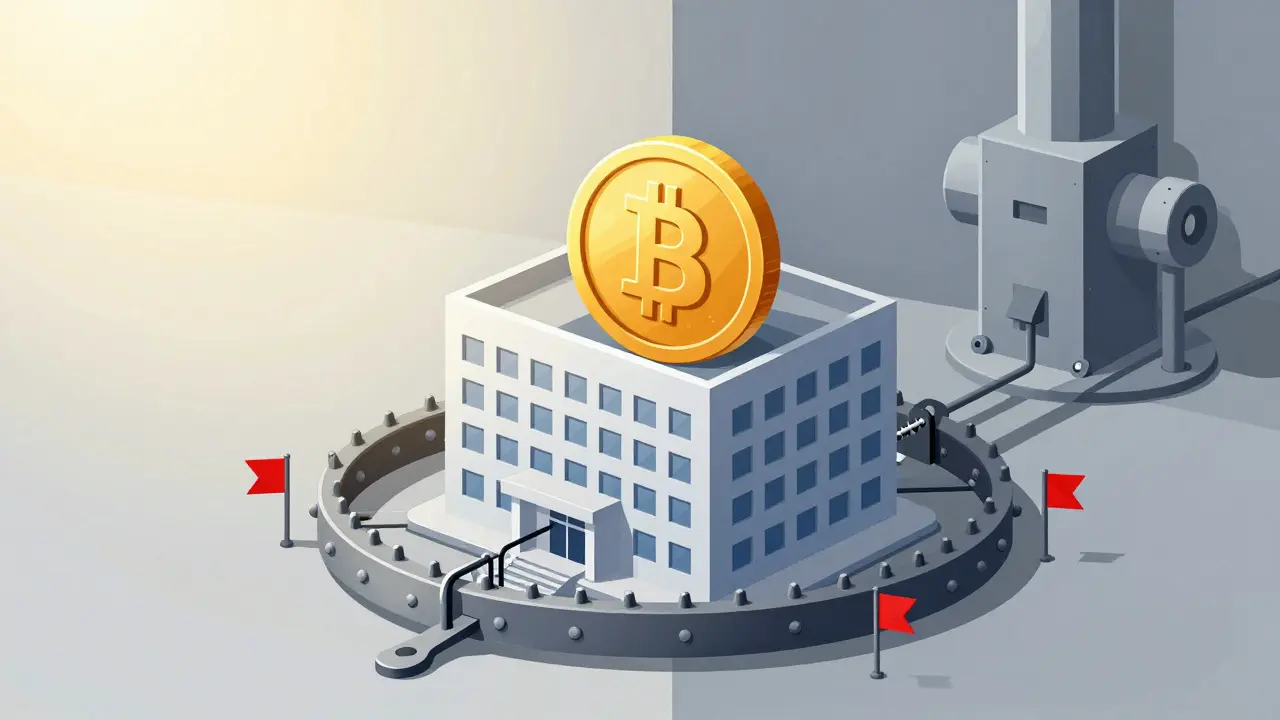
Comparing Legitimate Exchanges vs. Red-Flag Platforms
To give you a better perspective, let's look at what a real, secure environment looks like compared to the gaps we see with platforms like Lucent.
| Feature | Verified Exchange (e.g., Coinbase or Binance) | Unverified/Ghost Platforms |
|---|---|---|
| Regulatory Status | Registered with FinCEN or similar bodies | None or fake licenses |
| Storage Method | Majority of funds in Cold Storage | Unknown / Hot wallets only |
| User Reviews | Thousands of mixed reviews on Trustpilot/Reddit | Zero reviews or 100% fake 5-star ratings |
| Withdrawal Process | Standard fees, instant or scheduled | Requires "extra' deposits to unlock funds" |
The Danger of Centralized Trust
When you put your money into an exchange, you are giving up your private keys. This is called "custodial」 trading. If the exchange is a scam, they don't just steal your money; they steal the keys to your digital vault. We've seen this play out in a devastating way before. Take the Mt. Gox collapse, where hundreds of thousands of bitcoins were lost. While Mt. Gox was a real business that failed, the result for the user was the same as a scam: funds disappeared.
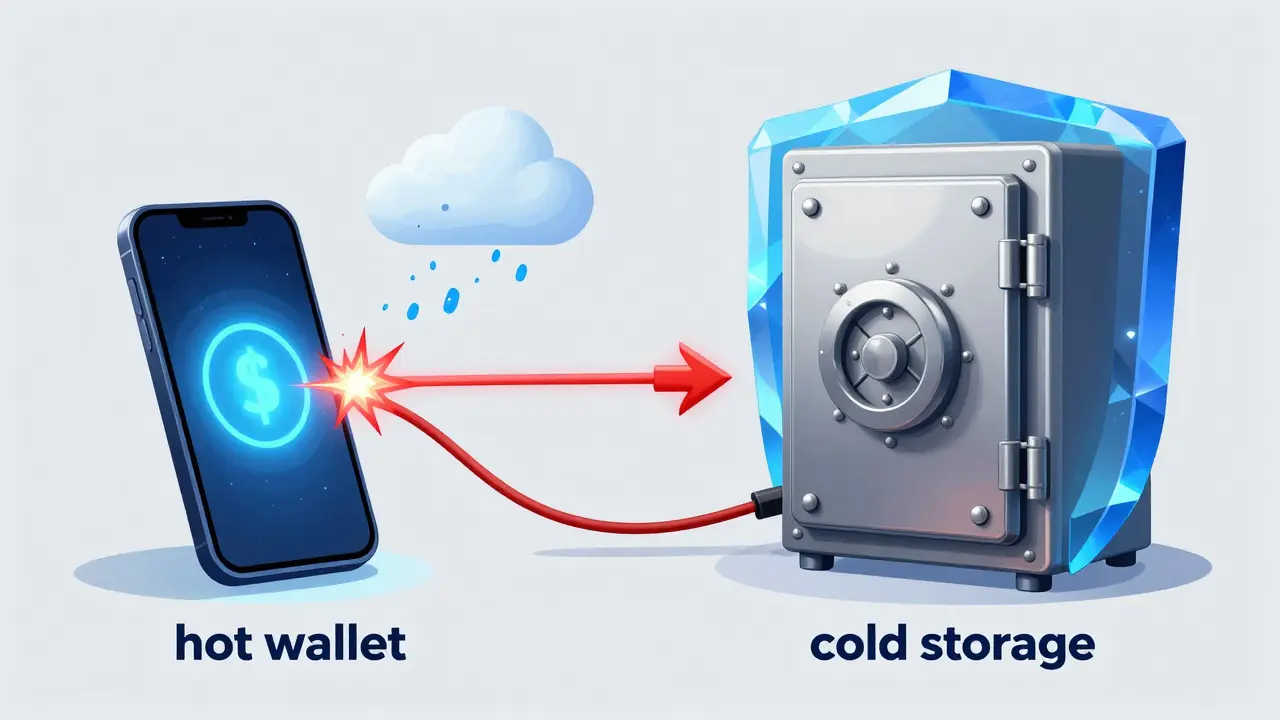
To avoid this, the gold standard is using a Hardware Wallet like a Ledger or Trezor. This allows you to trade on an exchange but keep the bulk of your assets in "cold storage," meaning they are disconnected from the internet. If you are using a platform like Lucent that doesn't clearly integrate with external wallets or encourage self-custody, you are essentially handing your wallet to a stranger and hoping they don't run away.
Protecting Your Assets in 2026
The cryptocurrency landscape has evolved, but the psychology of the scam remains the same. Most people lose money because of greed or fear of missing out (FOMO). If someone on Telegram, WhatsApp, or a dating app suggested Lucent to you, please stop immediately. This is a classic "social engineering" attack where the scammer builds a romantic or professional relationship with the victim before suggesting a "great investment opportunity."
If you've already deposited money and are being told you need to pay a fee to get it back, do not send more money. You will not get it back by paying a "tax" or "activation fee." These are just additional layers of the theft. Instead, report the incident to your local cybercrime division and the Federal Trade Commission (FTC) if you're in the US, or the equivalent authority in your region.
Is Lucent crypto exchange safe to use?
Based on available data, there is no evidence that a legitimate Lucent crypto exchange exists. The lack of regulatory filings, security audits, and community presence makes any platform using this name extremely high-risk. It is strongly advised to avoid depositing funds into any platform that cannot prove its legitimacy through recognized financial authorities.
What should I do if I already deposited money into Lucent?
First, do not send any more money, regardless of claims that you need to pay a "withdrawal fee" or "tax" to access your funds. Second, document all communications, transaction hashes, and website URLs. Third, report the platform to your local authorities and a cybercrime reporting agency. Be wary of "recovery scammers" who claim they can get your money back for a fee-these are almost always second-stage scams.
How can I tell if a crypto exchange is legitimate?
Check for four main things: 1. Legal registration and licensing in reputable jurisdictions. 2. A transparent team with verifiable LinkedIn profiles. 3. Third-party security audits and Proof of Reserves (PoR). 4. A long-term history of user reviews across independent forums like Reddit or Trustpilot, rather than just on their own website.
What is a "pig-butchering" scam?
A pig-butchering scam is a long-term confidence trick where a scammer builds a relationship with a victim (the "fattening") before convincing them to invest in a fake cryptocurrency platform. Once the victim deposits a large sum, the scammer disappears or demands more money for "taxes" before the victim can withdraw their fake profits.
What is the difference between a hot wallet and cold storage?
A hot wallet is connected to the internet (like an app on your phone or an account on an exchange), making it convenient but vulnerable to hacks. Cold storage (like a hardware wallet) is kept offline, meaning private keys are never exposed to the internet, providing the highest level of security for long-term holdings.
Next Steps for Safe Trading
If you're new to the space, start with an exchange that is publicly traded or heavily regulated in your country. It might mean more paperwork (KYC), but that's the price of security. If you're an experienced trader, move your assets to a hardware wallet immediately. If you're currently interacting with anyone promising guaranteed returns via Lucent, block them. Your best move right now is to prioritize safety over the hope of quick gains.
19 Comments
totally agree with the cold storage advice. people forget that not your keys not your coins is the golden rule of this space. if you are just leaving stuff on an exchange you are basically gambling on their honesty
Imagine thinking a website with stock photos is a bank. Truly revolutionary.
definitely keep a level head here everyone. just take it one step at a time and double check every link before clicking. you got this
This is such a great breakdown!!! I really appreciate the detailed table, it makes the differences so clear for anyone who might be confused!!!
oh look another day another scam that thinks we are all just mindless sheep following the glitter of fake profits. it's almost poetic how people keep falling for the same trick every single time. just pure genius levels of stupidity
It's wild how the human spirit is so easily manipulated by a little bit of fake romance and a promise of wealth. We're basically just ghosts in a machine chasing digital carrots. This whole 'pig butchering' thing is just a mirror of our own deepest insecurities and desires for a better life. It's a tragedy wrapped in a ledger
The analysis here is adequate, but it fails to mention the specific regulatory frameworks in the EU that would make a ghost exchange like this even more obvious. If the author had looked into MiCA regulations, they would see that the lack of a CASP license is an immediate disqualifier, regardless of the website's aesthetic.
I believe the points regarding the Proof of Reserves are very helpful. It is always better to be cautious and verify these documents before trusting any platform with your hard-earned money.
Too long. Didn't read. Just tell me if it's a scam or not.
It is absolutely disgusting that people are still this naive in 2026. I've told a dozen people this week that the 'tax payment' is a scam and they still try to find a way to make it work. Some people just want to be lied to because the truth is too boring or too hard for them to handle. It's a systemic failure of basic critical thinking and honestly, I'm exhausted by it.
The intersection of greed and trust is where most of these tragedies occur.
I absolutely love how we are seeing a shift toward self-custody via hardware wallets!!! The integration of Cold Storage is a total game-changer for mitigating counterparty risk, don't you think??? Let's all embrace this paradigm shift for the sake of our portfolios!!!
Most people just want a shortcut to heaven without walking the path 🙄 The universe has a funny way of teaching us the hard way. Just follow the money and you'll find the void 🌀
Quite a sensible guide. In the UK, the FCA has been very vocal about these unregulated firms, and this post aligns perfectly with their warnings.
I'm not even surprised. This whole industry is basically a digital circus with clowns pretending to be bankers. The sheer audacity of naming a scam after a telecom company is almost impressive in its laziness
I hope everyone who saw this post stays safe. It is always better to be slow and sure than fast and bankrupt.
Stay strong everyone! 💖 If you've been hit, just know you aren't alone and it's okay to ask for help! 🌈 Don't let the scammers win by keeping you in shame! ✨
wait so if i use a ldjr wallet do i still need a KYC for the off-ramp? i'm confuse about the lquidity pool part of the post. does this mean the slipage on lucent is fake too or just the whole platform is a rug pull lol
yeah the whole thing is a rug. don't even worry about slipage because there is no actual trading happening. it's just a fake dashboard showing you numbers that aren't real. and yes you still need kyc for most legal off-ramps