
LaunchZone LZ Farm NFT Unit Farm Airdrop: How to Join & Earn $LZ Tokens
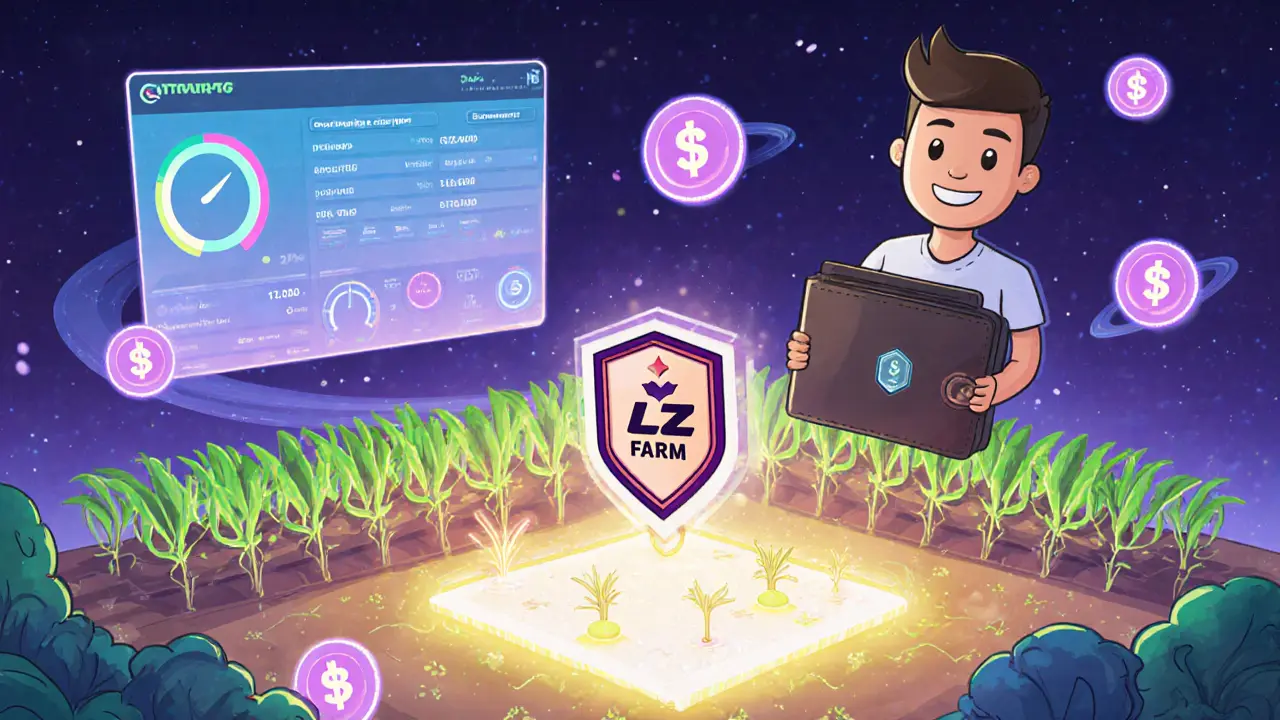
LZ Farm Airdrop Calculator
Estimated Airdrop Results
Note: These are estimates based on the current airdrop parameters. Actual results depend on total participants and the final distribution pool.
Ever wondered why some crypto wallets suddenly light up with free tokens while yours stays quiet? The answer often lies in airdrop programs that reward early adopters, and the newest buzz is the LaunchZone airdrop. Below is a no‑fluff, step‑by‑step guide that walks you through everything you need to know about the LZ Farm NFT Unit Farm airdrop, from the basics of the platform to the exact actions that can earn you the native $LZ token.
What is LaunchZone and Why It Matters
LaunchZone is a decentralized finance (DeFi) platform that aims to combine traditional yield farming with gamified NFT mechanics. The project’s official YouTube launch video calls it “the ultimate DeFi platform” and highlights its native governance and utility token, $LZ. While the broader market is flooded with airdrop hype, LaunchZone distinguishes itself by tying token rewards to ownership of specific NFTs, creating a hybrid NFT Unit Farm system.
Core Components of the LZ Farm NFT Unit Farm
- $LZ token - the governance token that grants voting rights and a share of platform fees.
- LZ Farm NFT - a non‑fungible token that represents a virtual plot in the Farm ecosystem. Each NFT carries a “unit” rating that determines airdrop weight.
- Staking contract - a smart contract where users lock $LZ or other supported assets to boost their farming points.
- Eligibility tiers - a tiered reward structure that rewards deeper involvement (e.g., holding an NFT + staking $LZ).
- Community hub - Discord and Telegram channels where the team shares updates and users can verify their farming status.
How the Airdrop Mechanics Work
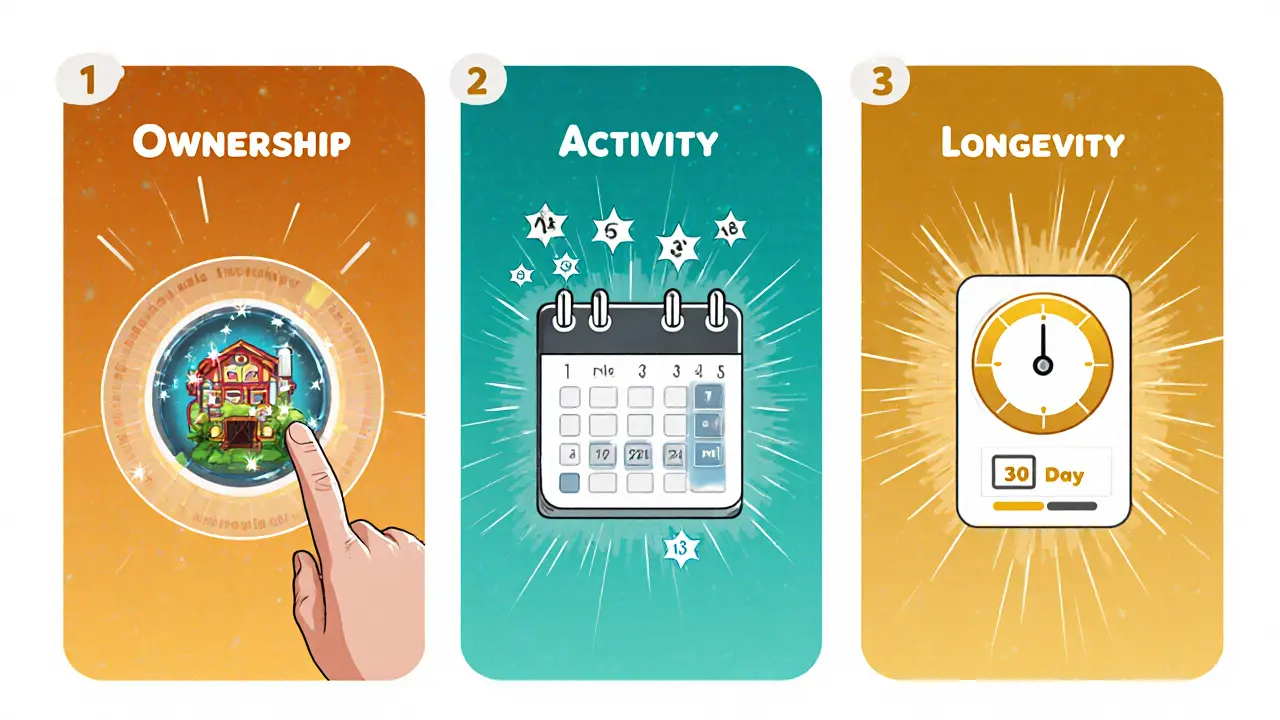
The LZ Farm NFT Unit Farm airdrop is built around three simple pillars: ownership, activity, and longevity.
- Ownership: You must own at least one LZ Farm NFT. The NFT’s unit rating (ranging from 1 to 5) directly scales your airdrop points.
- Activity: Daily interactions-such as claiming farm yields, voting on governance proposals, or completing community quests-add “activity points.” The platform rewards consistency; skipping more than three consecutive days can halve your points.
- Longevity: Holding the NFT and any staked $LZ for at least 30 days before the snapshot date unlocks a multiplier of up to 1.5×.
All points are tallied in a snapshot that occurs every month. The total pool of $LZ allocated for the airdrop is split proportionally among participants based on their final point totals.
Step‑by‑Step: Securing Your Spot in the Airdrop
- Set up a compatible wallet (e.g., MetaMask, Trust Wallet) on the Ethereum mainnet.
- Acquire an LZ Farm NFT. You can buy it on the LaunchZone marketplace or on partnered NFT platforms like OpenSea. Prices currently range from 0.05ETH to 0.2ETH depending on the unit rating.
- Optional but recommended: Stake $LZ tokens in the LaunchZone staking contract. The minimum stake is 100$LZ, which translates to roughly $30 at today’s price.
- Connect your wallet to the LaunchZone dashboard and claim your daily farm yield. Each claim automatically logs activity points.
- Join the official Discord community and complete weekly quests (e.g., share a tutorial, answer a governance poll). Quest completions are recorded on‑chain and boost your score.
- Monitor the snapshot calendar (published on the LaunchZone blog). The next snapshot is slated for 2025‑11‑01.
Following these steps puts you in the eligible pool. The more NFTs you own and the longer you stake, the larger your share of the airdrop.
Eligibility Tiers & Expected Rewards
| Tier | Requirements | Points Multiplier | Estimated $LZ Share* |
|---|---|---|---|
| Bronze | 1 NFT (unit 1‑2), no staking | 1.0× | 0.5‑1% of pool |
| Silver | 1 NFT (unit 3‑4) + 100$LZ stake | 1.2× | 1‑2% of pool |
| Gold | 2+ NFTs (any unit) + 500$LZ stake | 1.4× | 2‑4% of pool |
| Platinum | 3+ NFTs (unit 5) + 1,000$LZ stake + 30‑day hold | 1.5× | 4‑7% of pool |
*Exact percentages depend on total participants and overall point distribution. The figures above are based on the most recent snapshot data released by LaunchZone.
Common Pitfalls and How to Avoid Them
- Missing the daily claim: The platform automatically resets your activity points if you skip a day. Set a reminder or use a cron‑job script if you’re comfortable with basic scripting.
- Using the wrong network: LaunchZone operates on Ethereum mainnet. Attempting to claim on a testnet will result in “transaction failed” errors and wasted gas.
- Unverified wallets: Some airdrop scams ask for private keys to “verify” eligibility. Never share your seed phrase; verification happens on‑chain via wallet address.
- Ignoring community quests: Quest rewards add up quickly. Skipping them can cost you up to 10% of your final points.
- Staking too late: The staking multiplier only applies if the stake is in place before the snapshot. Add your $LZ early to lock in the boost.

Security Checklist Before You Dive In
- Use a hardware wallet (Ledger or Trezor) for storing $LZ and NFTs whenever possible.
- Double‑check contract addresses on the official LaunchZone website; phishing sites often copy the UI but change the address.
- Enable two‑factor authentication on Discord and Telegram accounts linked to your wallet address.
- Keep a backup of your seed phrase offline - never store it in cloud services.
- Monitor gas fees. High‑fee periods can make small NFT purchases uneconomical.
What to Expect After the Snapshot
Once the snapshot passes, LaunchZone will calculate each participant’s share based on the weighted points. The $LZ distribution will be sent directly to the wallet that held the NFTs and staked tokens at snapshot time. Typically, the token transfer occurs within 48‑72hours, and a detailed claim report appears in the dashboard.
If you’re in a higher tier, you may also receive “bonus NFTs” that unlock future farming boosts or limited‑edition artwork. These bonuses are announced on the community hub and can be claimed with a single click.
Next Steps for Airdrop Farmers
Ready to get your hands on $LZ? Here’s a quick action plan:
- Purchase your first LZ Farm NFT today - the 0.05ETH entry point is a low‑risk experiment.
- Stake at least 100$LZ to secure the Silver tier multiplier.
- Set a daily alarm for the farm‑claim button - consistency is king.
- Join the LaunchZone Discord, introduce yourself, and ask for the latest quest list.
- Mark 2025‑11‑01 on your calendar; that’s the next snapshot.
Following this roadmap puts you on a solid path to not only earn the upcoming airdrop but also to become an active participant in the LaunchZone ecosystem.
Frequently Asked Questions
Do I need multiple NFTs to qualify for the airdrop?
A single LZ Farm NFT is enough to be eligible for the Bronze tier. Holding more NFTs moves you into higher tiers and increases your points multiplier.
Can I use a testnet wallet for the airdrop?
No. The airdrop runs on Ethereum mainnet. Testnet holdings won’t be recognized in the snapshot.
How are activity points calculated?
Each daily farm‑yield claim gives 10 points. Completing a community quest adds 5‑15 points depending on difficulty. Skipping three days in a row cuts your total by 50%.
Is there a gas‑fee refund for claiming the airdrop?
LaunchZone does not reimburse gas fees. Users should time their transactions during low‑fee periods to keep costs down.
What happens if I sell my NFT before the snapshot?
Selling before the snapshot disqualifies you from the airdrop for that cycle. The snapshot checks the wallet balance at the exact block timestamp.
15 Comments
As an American, I expect DeFi projects to put the US userbase first. The LaunchZone airdrop seems tailored for anyone with a wallet, but the real winners are those who stake their $LZ while waving the flag. If you don’t have a passport that says "USA", you’re missing out on the patriot’s bonus multiplier. Let’s see the platform deliver on that promise or it’s just another experiment.
This airdrop is for the elite of the crypto world. Only those who understand true value should bother with NFTs. Anything less is simply noise.
The notion of ownership, activity, and longevity invites us to contemplate what it means to be a participant in a digital commons. Each claim, each stake, is a small act of affirmation. Yet the ephemerality of tokens reminds us of impermanence. Perhaps the airdrop is less about profit and more about presence. In any case, mindfulness may be the true reward.
Dear community, I appreciate the thoroughness of this guide. The steps are clearly delineated and reflect the platform's commitment to user safety. Please ensure you follow the security checklist before proceeding.
Let’s break down the numbers: a single NFT with unit rating 3 yields roughly 6 points per claim. Staking 100 $LZ adds another 10 points per 100 tokens, so you get a modest boost. Daily consistency is crucial – missing three days halves your total, which is a harsh penalty. The gas fees on Ethereum can erode small gains, so plan your transactions during low‑fee windows. Overall, the model is sound but only for those willing to manage the operational overhead.
Alright, let me walk you through exactly why this airdrop could be a game‑changer for anyone daring enough to dive deep. First, the NFT unit rating isn’t just a vanity metric; it directly multiplies your point generation, meaning a unit‑5 NFT can double the output of a mediocre one. Second, staking $LZ isn’t a passive layaway – every 100 tokens locked contributes a solid 10 points, and those points stack exponentially as you increase your stake. Third, the daily claim mechanic forces discipline; you’ll develop a habit of checking your wallet every single day, which, in a broader sense, keeps you engaged with the ecosystem and reduces the chance of missing out on future opportunities. Fourth, the longevity multiplier awards a 1.5× boost if you hold both your NFTs and staked tokens for at least 30 days, turning patience into profit. Fifth, community quests aren’t just fluff – each completed quest can add anywhere from 5 to 15 points, and the cumulative effect can be significant, especially for active members. Sixth, the tier system rewards deeper involvement: Bronze is merely a stepping stone, while Silver, Gold, and Platinum tiers unlock progressively larger slices of the pool, from 1% up to potentially 7% for the most committed. Seventh, the snapshot date is transparent and fixed, giving you a clear deadline to align all your actions. Eighth, the platform’s governance token $LZ grants voting rights, meaning you won’t just be a passive recipient; you’ll have a say in future protocol upgrades. Ninth, the security checklist you see in the guide isn’t optional – using a hardware wallet, verifying contract addresses, and safeguarding seed phrases are non‑negotiable to protect your assets. Tenth, the real kicker is the potential for “bonus NFTs” post‑snapshot, which can provide future farming boosts or unique artwork, adding an extra layer of value. Eleventh, remember that gas fees fluctuate, so timing your transactions during low‑congestion periods can save you a surprising amount of ETH. Twelfth, the community channels on Discord and Telegram serve as real‑time support hubs where you can get help, share strategies, and stay ahead of any schedule changes. Thirteenth, the airdrop isn’t just a one‑off event; it’s a gateway into the broader LaunchZone ecosystem, which includes yield farms, liquidity pools, and more. Fourteenth, if you’re skeptical about the initial investment, consider the entry‑level NFT at 0.05 ETH as a low‑risk experiment to test the waters. Finally, the combination of these mechanisms creates a synergistic environment where diligent participants can reap substantial rewards while contributing to a thriving DeFi community.
Considering the tier thresholds, it seems the Gold tier is the sweet spot for most users. It balances NFT quantity and staking amount without demanding the extreme commitment of Platinum.
From a cultural integration perspective, the LaunchZone model exemplifies a hybridized tokenomics framework, merging NFT assetization with traditional staking paradigms. The jargon-unit rating, point multiplier, snapshot-creates a shared lexicon that fosters community cohesion. Moreover, the vibrant color palette of the UI encourages user engagement, turning the otherwise sterile process into a gamified experience. Ultimately, this convergence may set a precedent for future DeFi‑NFT collaborations.
Honestly, this whole thing smells like a hustle for rookie investors.
Sounds like a solid plan! 🌱 Just set a reminder for the daily claim and you’ll be golden. Good luck everyone! 🚀
Permit me to articulate the undeniable elegance of LaunchZone’s airdrop architecture. The stratified tier system, while ostensibly straightforward, reveals a nuanced hierarchy that rewards perseverance. One cannot deny the aesthetic allure of the interface, nor the subtle psychological incentives embedded within daily quest mechanics. Nonetheless, it remains incumbent upon the discerning participant to navigate these waters with circumspection. May your endeavors be both profitable and enlightened.
Look, if you’re not staking at least 500 $LZ, you’re basically volunteering for the free‑riders’ club. The platform needs real commitment, not half‑hearted hobbyists. Step up or step aside.
Oh great, another airdrop that promises the moon but delivers a handful of crumbs. At least the UI is shiny enough to distract you while you watch your gas fees bleed.
Sure, the “bonus NFTs” sound exciting, but let’s be real – they’re just marketing fluff. The real value lies in the $LZ utility, which remains unproven. If you’re looking for a quick win, you might be disappointed. However, the community support on Discord does help newbies navigate. Keep your expectations in check.
Patriotic win!