
Kosovo Crypto Mining Ban: How Energy Crisis Shaped Regulations
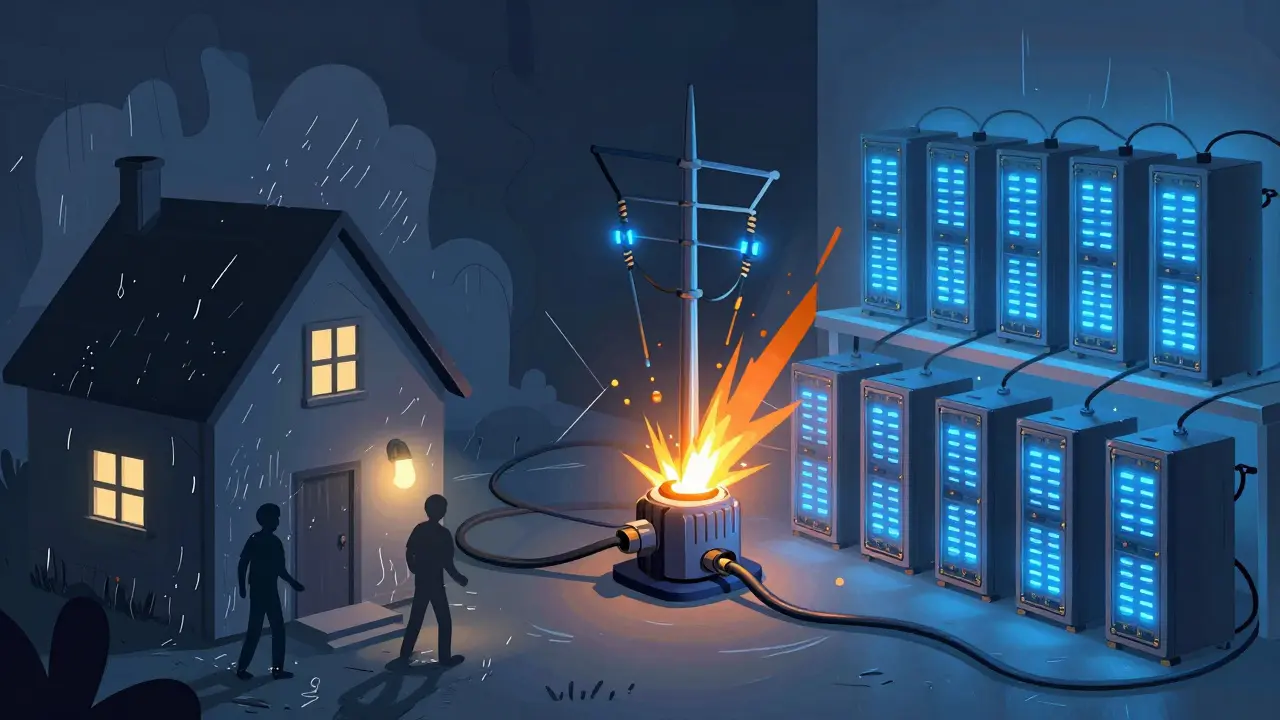
Imagine running a business where your biggest expense-electricity-is practically free. Now imagine that same electricity becoming the most scarce resource in your country. This is exactly what happened in Kosovo, a small nation in Southeastern Europe that found itself at the center of a global debate on cryptocurrency regulation.
In January 2022, Kosovo didn't just tweak its rules for digital assets. It slammed the door shut on crypto mining entirely. The reason wasn't moral opposition to Bitcoin or concerns about financial crime. It was survival. The national power grid was buckling under pressure, and the government had to choose between keeping the lights on for hospitals and homes or letting miners keep their servers humming. They chose the people.
This story isn't just about one country's emergency measure. It’s a case study in how energy scarcity forces governments to rethink their relationship with high-tech industries. For anyone interested in cryptocurrency regulations, understanding why Kosovo banned mining offers crucial lessons about the intersection of energy policy, economic development, and digital innovation.
The Spark That Lit the Fuse: Kosovo’s Energy Emergency
To understand the ban, you first need to understand the context. In late 2021, Kosovo declared a 60-day state of emergency. Why? Because one of its two main coal-fired power plants went offline for repairs. Suddenly, the country lost a massive chunk of its domestic power generation capacity.
Kosovo relies heavily on coal for its electricity production, making it vulnerable to supply shocks when infrastructure fails. With imports insufficient to cover the gap, blackouts became frequent. Factories slowed down. Homes grew cold. And then there was the issue of who was using all that remaining power.
Cryptocurrency mining operations had been booming quietly across the country. Thanks to loopholes in old energy laws, many miners were accessing subsidized or even free electricity. Some reports suggested individual miners were earning up to €2,000 ($2,270) per month-a fortune in a country where the average income is among the lowest in Europe. But this profit came at a steep cost to the public grid.
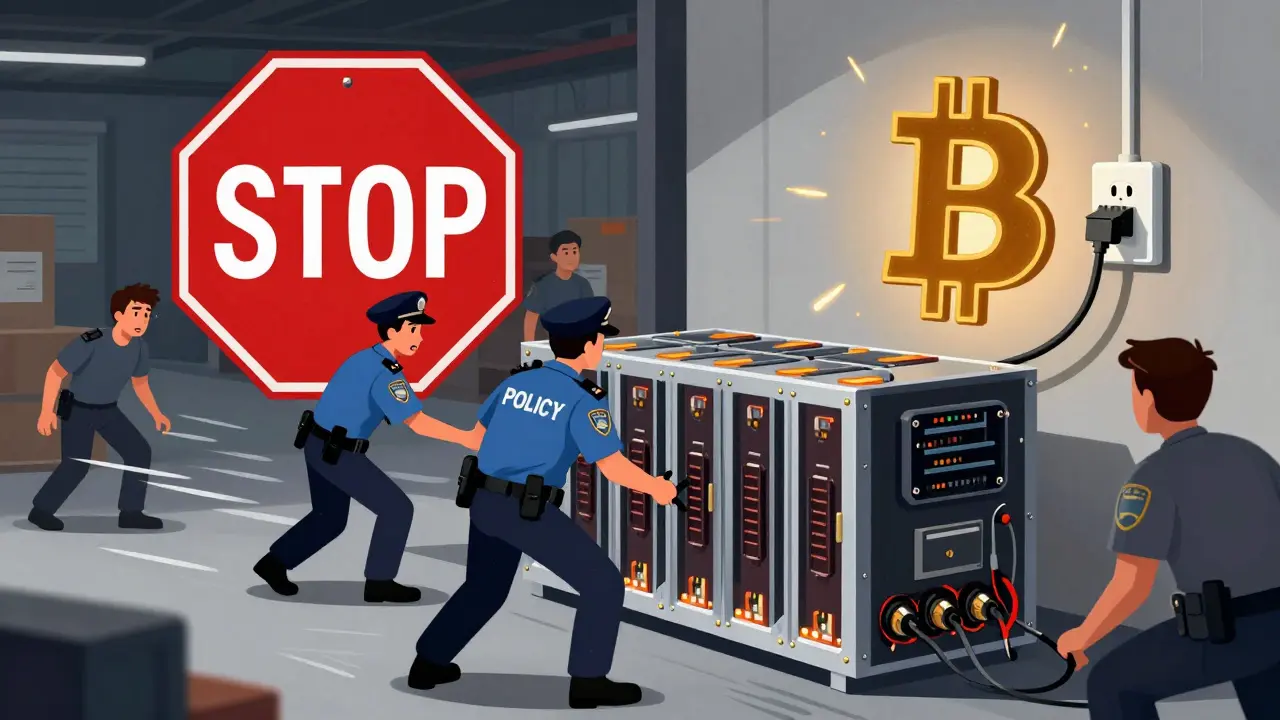
When Artane Rizvanolli, the acting Economy Minister, stepped in on January 4, 2022, she didn’t hesitate. Her directive was clear: stop all cryptocurrency mining immediately. Police raids followed swiftly, confiscating thousands of specialized mining rigs worth tens of thousands of euros each. It was a shock tactic designed to free up megawatts overnight.
Why Crypto Mining Was the Target
You might wonder: why target crypto miners specifically? Couldn’t they have taxed them instead? Or imposed usage limits?
The answer lies in the nature of Proof of Work (PoW) mechanisms used by major cryptocurrencies like Bitcoin. These systems require computers to solve complex mathematical puzzles to validate transactions. The more computing power involved, the more electricity consumed. Unlike traditional businesses that can scale back during shortages, crypto mining runs 24/7, seven days a week, drawing constant, intense loads from the grid.
Before the ban, estimates suggested that crypto mining accounted for a significant portion of Kosovo’s total electricity consumption-some analysts put it as high as 30% in certain regions. During an energy crisis, that kind of drain is unsustainable. Governments prioritize essential services: healthcare, education, water treatment. Non-essential industrial loads get cut first.
Moreover, much of this mining activity operated in legal gray zones. Many operators weren’t paying proper taxes or registering their equipment. When combined with illegal connections to the public grid, especially in northern Kosovo, the situation became politically untenable. The government couldn’t ignore widespread theft of public resources while citizens suffered through rolling blackouts.
From Ban to Regulation: A Nuanced Approach Emerges
Banning crypto mining solved the immediate crisis-but it didn’t solve the long-term problem. What happens when the power plant comes back online? Do you let everything return to normal? Or do you build smarter rules?
Kosovo chose the latter path. By 2025, the landscape had shifted dramatically. According to Mimoza Kusari-Lila, former chairwoman of the Parliamentary Working Group on Cryptocurrency, mining is no longer completely prohibited. Instead, it’s allowed-but only under strict conditions.
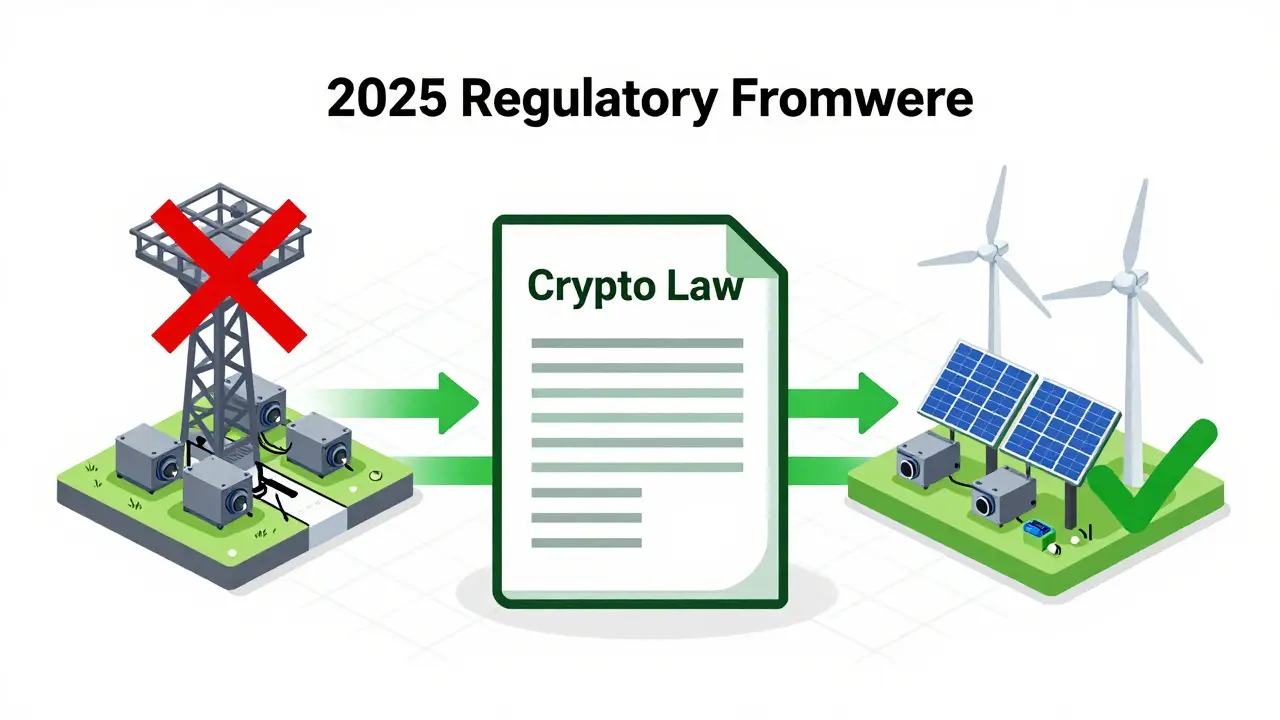
Here’s the key rule: you cannot use the public grid. If you want to mine cryptocurrency in Kosovo today, you must generate your own power using alternative sources-solar panels, wind turbines, hydroelectric setups, or private generators. As long as you’re not draining the universal network, you’re operating legally.
This approach reflects a broader trend seen globally: rather than outright bans, regulators are moving toward conditional permissions based on sustainability metrics. It allows innovation to continue while protecting critical infrastructure.
| Factor | Pre-January 2022 | Post-2025 Framework |
|---|---|---|
| Legal Status | Unregulated / Gray Zone | Conditionally Legal |
| Electricity Source | Public Grid (Subsidized) | Alternative Sources Only |
| Taxation | Largely Unreported | Required Registration & Tax Compliance |
| Equipment Import | No Verification | Government Oversight Required |
| Enforcement | Minimal Until Crisis | Active Monitoring & Penalties |
Challenges in Building New Laws
Creating new legislation around emerging technologies is never easy. Kosovo began drafting comprehensive cryptocurrency laws as early as summer 2021, but progress has been slow. As of recent updates, the draft law is reportedly 90% complete-but “almost done” doesn’t mean “done.”
One major hurdle? International scrutiny. The European Commission sent advisers to review the proposed law, particularly focusing on anti-money laundering (AML) provisions. Cryptocurrencies can be used to obscure illicit flows if not properly monitored. Ensuring compliance with EU standards adds complexity-and time-to the legislative process.
Additionally, legal experts have questioned whether the initial ban had solid grounding in existing law. At the time, Kosovo lacked specific statutes governing cryptocurrency activities. Implementing such sweeping restrictions without a formal legal basis raised constitutional concerns. While emergency powers justified short-term action, lasting reform requires robust statutory foundations.
These delays highlight a common challenge faced by developing nations trying to regulate fast-moving tech sectors: balancing speed with legitimacy. Rushed laws risk being overturned; overly cautious ones leave gaps exploited by bad actors.
Global Context: Kosovo Isn’t Alone
If you think Kosovo acted alone, think again. Its decision mirrors moves made elsewhere. China, which once hosted nearly 75% of global Bitcoin mining capacity, implemented a full shutdown in 2021. Other countries-including Russia, Algeria, and Ecuador-have also restricted or banned crypto mining due to environmental or economic pressures.
According to data referenced in regulatory discussions, only 39% of electricity powering Bitcoin mining worldwide comes from renewable sources. The rest relies on fossil fuels-coal, oil, natural gas. In places already struggling with energy security, adding millions of kilowatt-hours of demand from unregulated miners feels less like innovation and more like sabotage.
Yet here’s the twist: banning mining doesn’t eliminate demand-it displaces it. Miners simply relocate to jurisdictions with cheaper, cleaner, or more abundant power. Canada, Sweden, and parts of Texas now attract displaced operations seeking stable grids and favorable policies.
So while Kosovo succeeded in reducing local strain, it also lost potential tax revenue and job creation opportunities. The question becomes: how do you capture value without sacrificing stability?
What This Means for Investors and Miners
For those considering investing in or operating within Kosovo’s crypto ecosystem, clarity matters. Here’s what you need to know:
- Grid Power = Off Limits: Any operation connected to the public electricity network violates current regulations. Enforcement remains active.
- Self-Sufficiency Is Key: Invest in solar farms, battery storage, or hybrid systems. Proving independence from the grid opens doors to legality.
- Registration Matters: Expect future requirements for licensing, reporting transaction volumes, and paying corporate taxes. Operate transparently.
- Watch Legislative Updates: The final version of the cryptocurrency law could introduce additional obligations-such as capital reserves, audit trails, or consumer protection clauses.
Miners who adapt quickly will find themselves ahead of the curve. Those clinging to outdated models face confiscation, fines, or worse-criminal charges for illegal utility access.
Looking Ahead: Balancing Innovation and Security
Kosovo’s journey from emergency ban to regulated permission illustrates a larger truth: technology outpaces policy. Governments react after crises occur, not before. But reactive measures don’t have to be permanent scars-they can become stepping stones toward better governance.
The success of Kosovo’s model depends on three factors:
- Effective Enforcement: Can authorities reliably distinguish between legitimate off-grid operations and covert grid-tied ones?
- Legislative Finalization: Will the pending cryptocurrency law pass soon enough to provide certainty?
- International Alignment: Does the framework meet EU expectations for transparency and anti-fraud safeguards?
If answered well, Kosovo could serve as a blueprint for other energy-constrained nations navigating similar dilemmas. If poorly executed, it risks stifling legitimate enterprise while failing to deter underground activity.
Either way, one thing is clear: the era of wild-west crypto mining fueled by cheap public power is over-in Kosovo, and increasingly, everywhere else.
Is cryptocurrency mining still illegal in Kosovo?
No, it is no longer completely illegal. Since 2025, mining is permitted provided operators use alternative energy sources-not the public electrical grid. Using state-supplied electricity for mining remains strictly prohibited.
Why did Kosovo ban crypto mining in 2022?
The ban was an emergency response to a severe energy shortage caused by the shutdown of a major coal plant. Miners were consuming large amounts of subsidized electricity, straining the national grid during a period when basic household needs couldn't always be met.
Can I import mining equipment into Kosovo today?
Yes, but expect verification processes. Under the evolving regulatory framework, imported mining hardware may require registration and proof of intended use with non-grid energy sources. Always check latest customs and ministry guidelines before shipping equipment.
How does Kosovo’s approach compare to China’s ban?
China imposed a total ban on all cryptocurrency trading and mining. Kosovo took a narrower route: targeting only grid-dependent mining during crisis, then allowing self-powered operations later. Both aimed to protect energy supplies, but Kosovo left room for sustainable participation.
Will Kosovo ever allow grid-connected mining again?
Unlikely in the near term. Current policy prioritizes residential and essential commercial users. Even if grid stability improves, regulators prefer incentivizing renewable-integrated solutions over reverting to subsidized fossil-fuel-based mining.