
Kalata (KALA) Airdrop Details: What We Know and How to Stay Safe

It is easy to get swept up in the hype of a potential free token drop. You see a ticker symbol like KALA, hear whispers about an upcoming distribution, and your brain immediately starts calculating how much you could make if you just sign up now. But here is the hard truth for anyone looking into the Kalata cryptocurrency project associated with the KALA token: as of mid-2026, there is no official, verified information regarding a Kalata airdrop.
This silence is not an accident. In the world of digital assets, absence of evidence is often evidence of a problem. While major platforms are constantly announcing distributions for their native tokens or ecosystem partners, Kalata remains conspicuously quiet on this front. This article breaks down what we actually know about the KALA token, why you should be extremely cautious about any "airdrop" claims you encounter online, and how to verify legitimate opportunities before you risk your wallet security.
The Reality of the KALA Token Market
Before worrying about how to get free tokens, it helps to understand the asset itself. The KALA token has been trading at microscopic levels, hovering around the $0.00003 mark. For context, that means you would need millions of these tokens to equal a single dollar. Technical indicators paint a picture of a struggling asset. The token trades below its 50-day simple moving average and its 200-day simple moving average, which are classic signs of a bearish trend.
Volatility sits at roughly 2.93%, and the Relative Strength Index (RSI) hovers near 50, indicating neutral but weak momentum. There is no massive community rally driving the price up, nor is there significant developer activity being highlighted in major crypto news outlets. When a project lacks strong market performance and clear utility, an airdrop becomes less of a reward for users and more of a marketing gimmick-or worse, a trap.
| Metric | Value | Implication |
|---|---|---|
| Price Range | $0.00003217 | Extremely low value per unit |
| Trend | Bearish | Trading below key moving averages |
| Airdrop Status | Unconfirmed | No official announcement found |
| Volatility | 2.93% | Low movement, low interest |
Why You Haven't Heard About an Official Drop
If Kalata were planning a legitimate distribution, you would likely see it on major tracking platforms. Websites that catalog upcoming drops for projects like Phantom Wallet or various Solana ecosystem protocols have become quite sophisticated. They list snapshot dates, eligibility criteria, and task requirements clearly.
Kalata is missing from these lists. This raises several red flags. Legitimate projects use airdrops to decentralize governance or reward early adopters who have interacted with their testnets or mainnet protocols. If you haven't seen a roadmap update, a GitHub commit log showing smart contract deployment for distribution, or a pinned tweet from the official development team, then the airdrop probably doesn't exist yet.
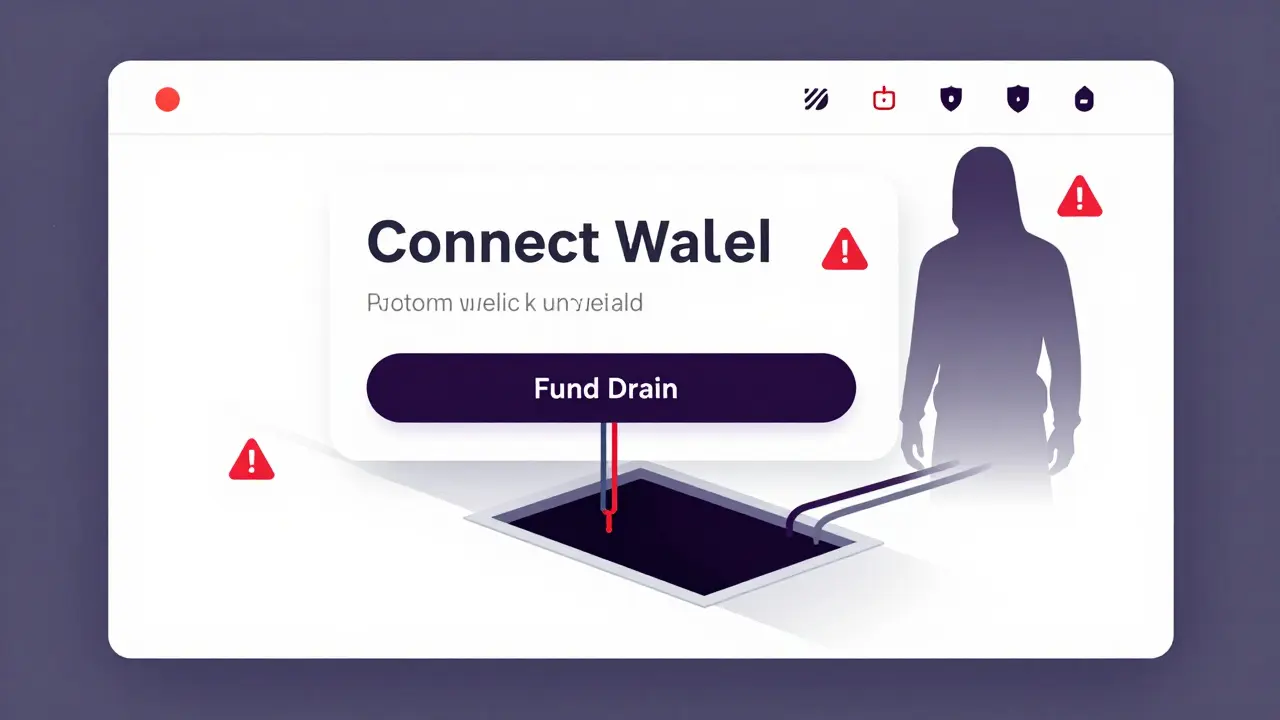
Be aware that scammers thrive on ambiguity. They create fake landing pages that look professional, complete with countdown timers and "Connect Wallet" buttons. These sites do not give you tokens; they ask you to approve transactions that drain your existing funds. The lack of official noise from the Kalata team is your biggest clue to stay away from third-party "claim" sites.
How to Spot Fake Airdrop Scams
The crypto space is littered with phishing attempts targeting users eager for free money. Since there is no confirmed Kalata airdrop, any website claiming otherwise is almost certainly malicious. Here is how to protect yourself:
- Check the URL carefully: Scammers often use slight misspellings, such as "kalata-airdrop.com" instead of the official domain. Always verify the link against the project's official social media channels.
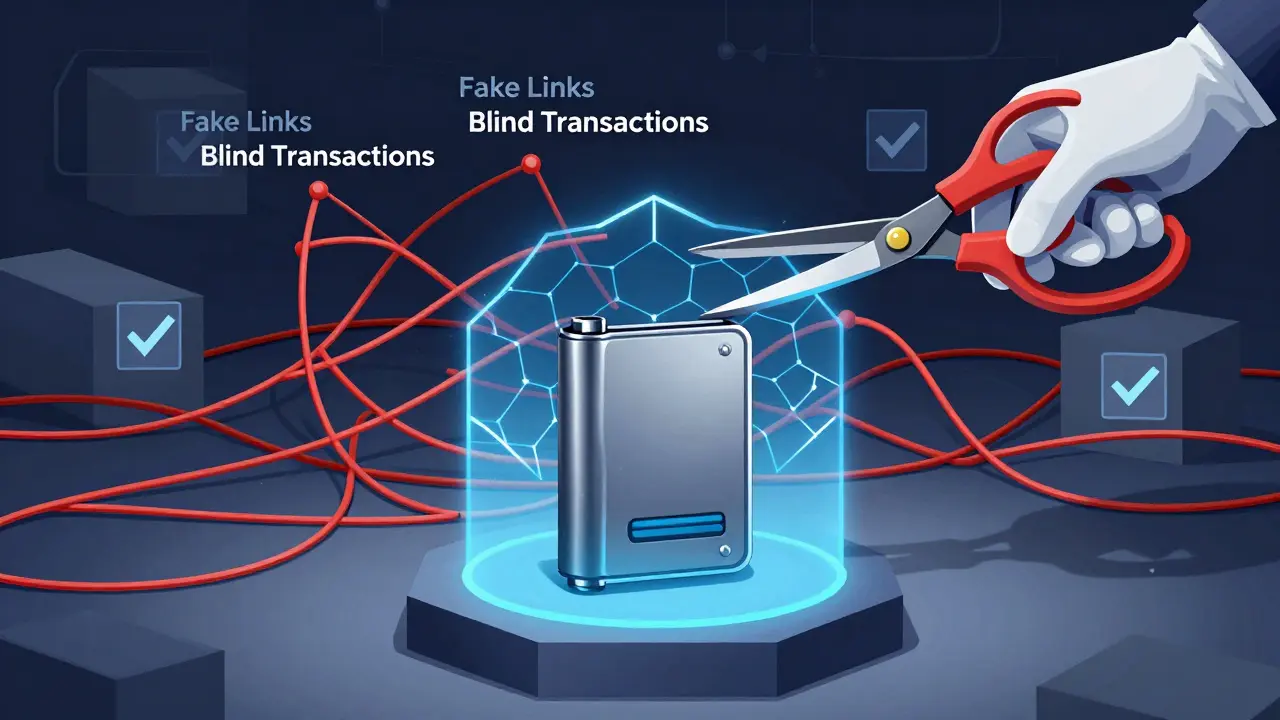
- Never sign blind transactions: If a site asks you to connect your wallet and then sign a transaction without showing you exactly what assets are being moved, close the tab immediately. Legitimate airdrops usually require only a signature for gas fees or verification, never an approval to spend your other tokens.
- Look for community verification: Go to Twitter (X), Discord, or Telegram. Search for the project name. If the only results are bots posting links to claim sites, it is a scam. Real communities discuss code, updates, and roadmaps, not just free money.
- Verify on Block Explorers: Legitimate token distributions leave a trail on the blockchain. You can check if a contract address is verified and if the team has renounced ownership or locked liquidity. If you cannot find this data, do not participate.
What to Do Instead: Safer Crypto Opportunities
Instead of chasing unverified rumors about KALA, consider focusing on established ecosystems that have transparent airdrop histories. Projects built on networks like Ethereum, Solana, or Polygon often have clear documentation for their incentive programs.
For example, interacting with decentralized exchanges (DEXs), providing liquidity to reputable pools, or participating in governance votes for well-known protocols are activities that have historically led to rewards. These actions carry inherent risks, yes, but they are backed by audited code and active development teams. You are building a track record of usage, which is what most serious projects look for when they decide to distribute tokens.
If you are interested in the Kalata project specifically, wait for an official announcement from their primary communication channels. Do not trust screenshots sent via DM or links posted in random comment sections. Patience is a strategy in crypto. Many users lost funds trying to front-run fake announcements while waiting for real ones.
Understanding Token Utility Before Claiming
Even if an airdrop were announced tomorrow, you should ask yourself: what does the KALA token actually do? Tokens without utility tend to dump in value shortly after distribution as early recipients sell off their holdings. Look for a whitepaper or technical documentation that explains the use case. Is it used for staking? Governance? Access to a specific service?
If the answer is vague or non-existent, the token is likely a speculative vehicle rather than a functional part of a network. In 2026, investors are increasingly savvy. They prefer tokens that offer yield or governance power over those that are simply distributed for attention. Evaluate the long-term viability of the project, not just the short-term windfall of a free drop.
Protecting Your Digital Identity
Beyond financial loss, fake airdrop campaigns can compromise your personal data. Some phishing sites require email verification or phone number confirmation before allowing you to "claim." This leads to spam, targeted phishing attacks, and potentially identity theft. Keep your primary email address separate from your crypto activities. Use burner emails for signing up to new services, and never share private keys or seed phrases under any circumstances.
Security tools like hardware wallets add an extra layer of protection. Even if you accidentally connect a compromised browser extension to a scam site, a hardware wallet requires physical confirmation for transactions, giving you a chance to stop the process before funds are drained.
Is there an official Kalata (KALA) airdrop happening in 2026?
No. As of May 2026, there is no verified announcement from the Kalata development team regarding an airdrop. Any websites or social media posts claiming otherwise are likely scams designed to steal your funds or personal data.
How can I verify if a crypto airdrop is legitimate?
Always check the project's official website and verified social media accounts (Twitter/X, Discord, Telegram). Look for consistent messaging across these platforms. Additionally, check reputable crypto news outlets and airdrop tracking databases. If the information is only available through direct messages or obscure links, it is almost certainly a scam.
What is the current price and market status of KALA?
The KALA token trades at approximately $0.00003217. It is currently in a bearish trend, trading below its 50-day and 200-day moving averages. The market sentiment is weak, with low volatility and neutral momentum indicators.
Are there any safe alternatives to Kalata for airdrop hunters?
Yes. Focus on established ecosystems like Solana, Ethereum, and Polygon. Interacting with well-audited decentralized applications (dApps), providing liquidity to major pools, and participating in governance for known protocols are safer ways to potentially qualify for future legitimate airdrops.
What should I do if I already connected my wallet to a suspicious Kalata airdrop site?
Immediately disconnect your wallet from the site. Check your transaction history for any unauthorized approvals or transfers. If you signed a transaction that approved spending of your tokens, revoke those permissions using a tool like Revoke.cash. Consider moving your remaining funds to a new wallet with a fresh seed phrase to ensure maximum security.