
How to Avoid Crypto Restrictions in Russia: A Practical Guide for 2026
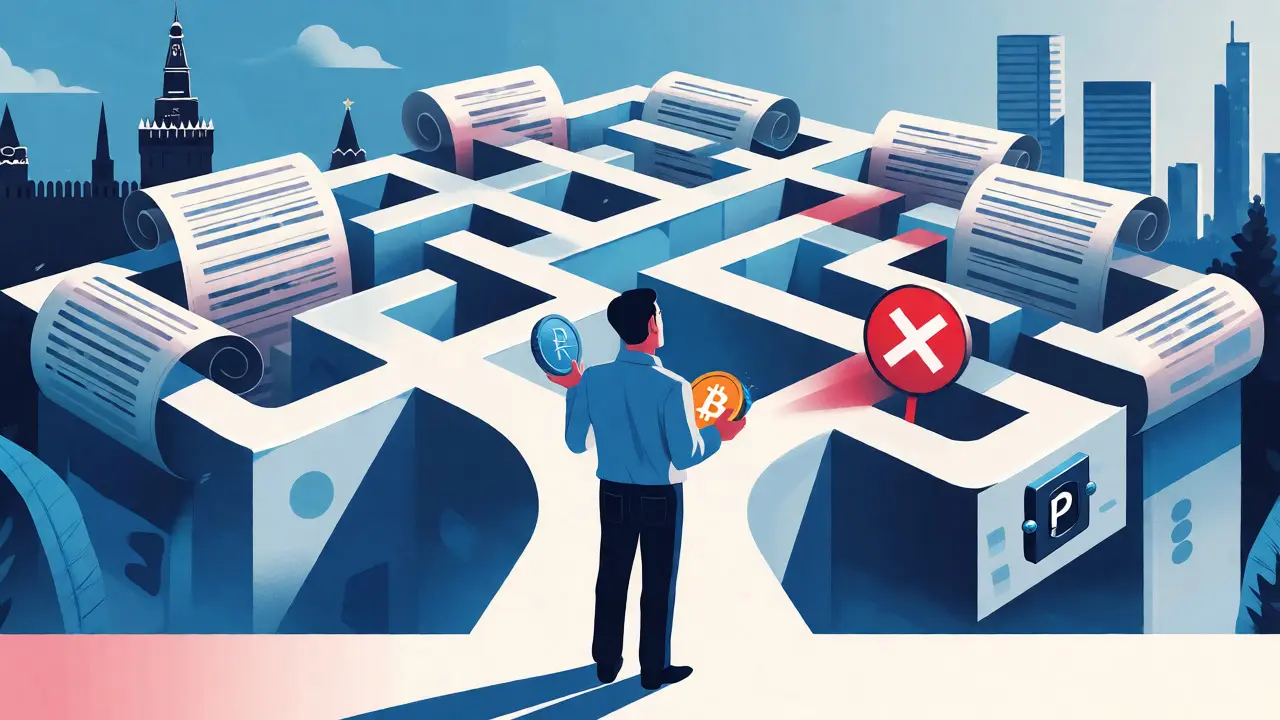
You want to buy Bitcoin or trade Ethereum, but you hear horror stories about frozen accounts and hefty fines. You are not alone. In Russia, the legal landscape for cryptocurrency is a minefield of contradictions. The state wants to use blockchain for international trade while strictly banning its use as money at home. This guide breaks down exactly how ordinary citizens navigate these rules without getting their bank cards blocked.
The Reality of Crypto Laws in Russia
First, let’s clear up a common misconception: owning cryptocurrency is not illegal in Russia. You can hold it. What is illegal is using it as a means of payment for goods and services within the country. Since the Digital Financial Assets Law took effect, paying for your coffee with Bitcoin is off the table. But simply holding assets? That is generally tolerated, provided you report them correctly if required.
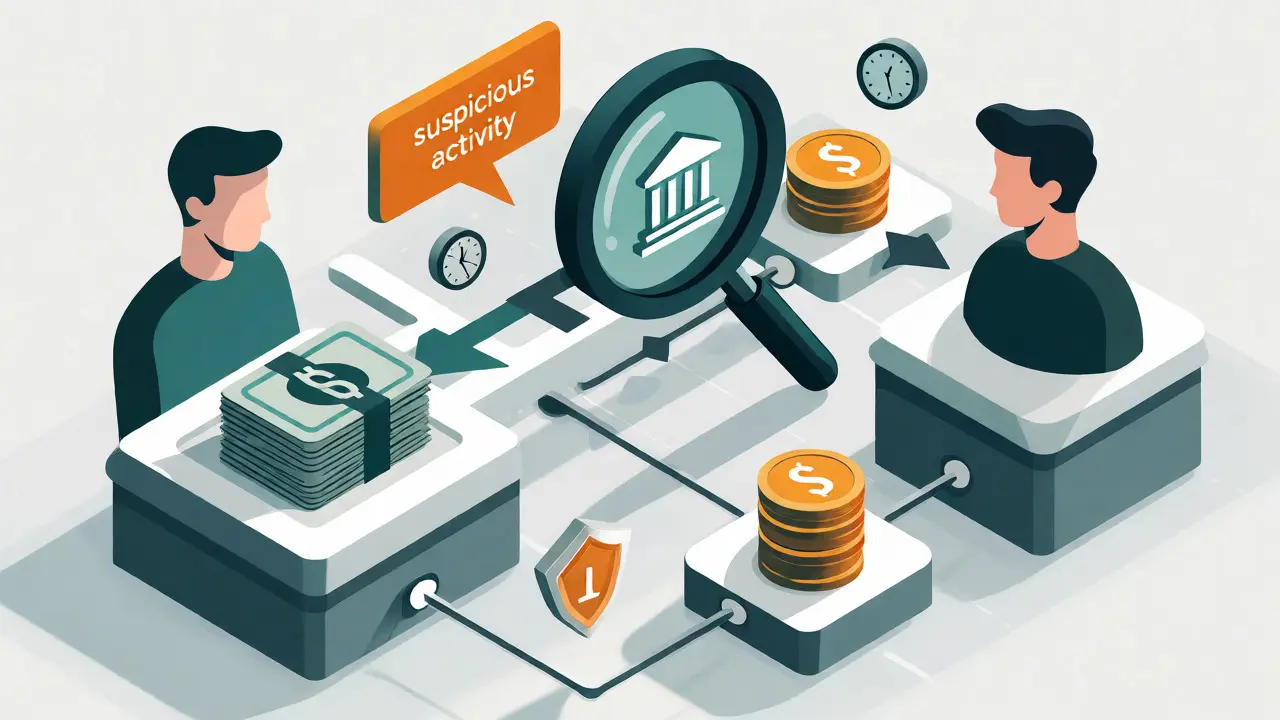
The real danger lies in how you move money. The Central Bank of Russia (CBR) has tightened controls significantly. As of late 2025, banks monitor cash withdrawals aggressively. If you withdraw large sums frequently, especially via ATM, your account might be flagged for "suspicious activity." This isn't just about anti-money laundering; it's about controlling capital flight. If your transaction looks like a typical crypto purchase-large amount, specific timing-the bank may freeze your funds for 48 hours while they investigate.
| Activity | Status | Risk Level | Notes |
|---|---|---|---|
| Owning Crypto | Legal | Low | No direct ban on ownership for individuals. |
| Paying with Crypto | Illegal | High | Fines apply for domestic payments. |
| P2P Trading | Gray Area | Medium-High | Account freezes are common if volume is high. |
| Mining | Regulated | Medium | Fines up to 200,000 RUB for unregistered mining. |
| Cross-Border Settlements | Limited Legal | Low | Allowed under Experimental Legal Regime (ELR). |
Navigating Peer-to-Peer (P2P) Trading Safely
Since centralized exchanges like Binance have largely exited the Russian market, most users rely on P2P platforms. This is where things get tricky. When you sell USDT for rubles on a P2P platform, the buyer sends money directly from their bank card to yours. To your bank, this looks like a sudden influx of cash from strangers. If this happens ten times a month, you look like a business, not an individual.
To avoid restrictions here, you need to act like a normal person, not a trader. Here are practical steps:
- Keep volumes low: Try to keep daily transactions under ₽50,000 if possible. Larger amounts trigger automated fraud detection systems.
- Avoid unusual patterns: Don’t make withdrawals at 3 AM. Don’t use ATMs you rarely visit. Banks track behavioral biometrics, including how fast you type and which buttons you press.
- Use reputable counterparties: On P2P platforms, stick to traders with high completion rates and positive reviews. New accounts sending you money are red flags for your bank.
- Don’t mix purposes: If you receive salary into the same account you use for P2P, separate them. Use a dedicated card for crypto operations to isolate risk.
Remember, the goal is to stay under the radar of the Federal Financial Monitoring Service (Rosfinmonitoring). They set thresholds that trigger mandatory reporting. While the exact internal thresholds of banks vary, staying below the ₽200,000 transfer limit via the Faster Payments System per transaction is a good heuristic to avoid immediate scrutiny.
The Rise of the Digital Ruble and Stablecoins
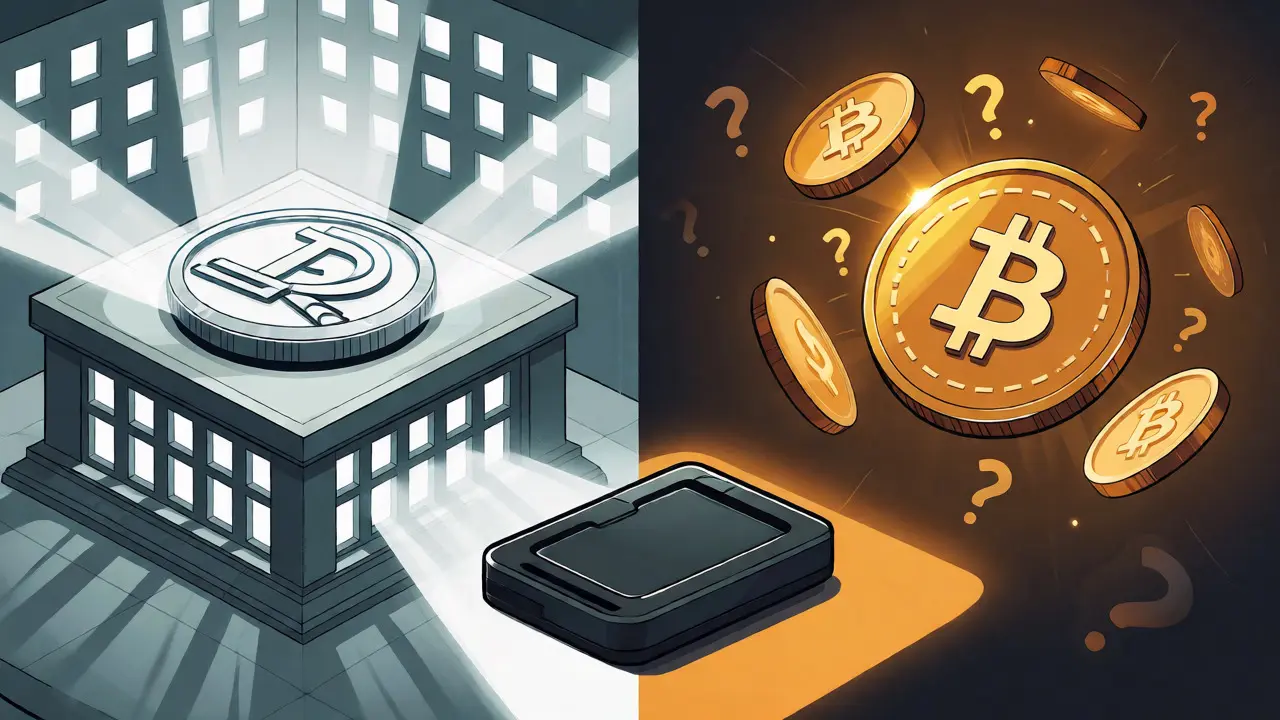
While private crypto faces headwinds, the state is pushing its own alternative: the digital ruble. Scheduled for full implementation by 2026, this central bank digital currency (CBDC) aims to give the government total visibility over every transaction. Unlike Bitcoin, the digital ruble is fully centralized. The state can see who pays whom, when, and why.
For now, many Russians are turning to stablecoins pegged to the ruble or dollar. One notable example is the A7A5 token, a ruble-backed stablecoin that processed $41.2 billion in transactions in July 2025 alone. These tokens offer a way to hedge against inflation without relying on foreign platforms that might restrict access due to sanctions.
However, be cautious. Just because a token exists doesn’t mean it’s safe. The lack of regulation means there is no insurance if the issuer fails. Treat these investments with the same skepticism you would any unregulated asset.
Using Foreign Platforms and Sanctions Workarounds
Because local exchanges are scarce, many Russians use foreign platforms. But here’s the catch: Western sanctions complicate this. Many global exchanges block Russian IP addresses or require KYC (Know Your Customer) documents that are hard to process due to banking restrictions. Visa and Mastercard issued in Russia often don’t work internationally.
So, how do people actually fund their accounts?
- Bank Transfers to Friendly Jurisdictions: Some users open accounts in countries like Kazakhstan or Turkey, then transfer funds there before moving them to crypto.
- Gift Cards: Buying gift cards for Amazon or Steam with rubles and selling them on P2P sites for USDT is a popular, albeit inefficient, workaround.
- Crypto Debit Cards: Some non-Russian fintechs offer cards that allow spending crypto balances. However, top-up methods remain limited.
It’s crucial to understand that using a foreign exchange does not exempt you from Russian tax obligations. You must still declare income from crypto sales if it exceeds certain thresholds. Ignoring this can lead to penalties from the Federal Tax Service (FTS), independent of banking freezes.
What About Mining?
Mining is one of the few areas where Russia has created a clear regulatory framework. It is legal, but it is heavily regulated. If you run a small rig at home, you might fly under the radar, but commercial-scale mining requires registration. Unregistered mining can result in fines up to 200,000 rubles.
Moreover, electricity tariffs for miners have increased in some regions to prevent grid overload. Before you start mining, check local regulations. In some regions, like Irkutsk, incentives exist, while others impose strict caps. Always factor in the cost of electricity versus the potential reward. With the halving events and rising difficulty, profitability margins are thinner than they were in 2021.
Preparing for the Future: The 2026 Outlook
The next two years will be critical. The launch of the digital ruble could further squeeze out private cryptocurrencies by making state-controlled digital money more accessible and cheaper to use for everyday transactions. Additionally, the tension between the Ministry of Finance (which leans towards liberalization) and the Central Bank (which favors strict control) continues to create uncertainty.
If you plan to hold crypto long-term, consider diversifying your storage. Keep a portion in cold wallets (hardware wallets) rather than leaving everything on exchanges. This reduces counterparty risk, especially if a platform suddenly delists Russian users due to new sanctions.
Also, keep an eye on legislative updates. Bills proposing stricter penalties for "unauthorized" financial activities are introduced regularly. While none have passed yet, the trend is toward tighter control. Staying informed is your best defense.
Practical Checklist for Compliance
Before you make your next trade, run through this checklist:
- Is my bank aware? Have I kept my transaction history clean and consistent?
- Am I paying for goods? Remember, you cannot legally pay for groceries or rent with Bitcoin.
- Do I have proof of origin? If your bank asks where the money came from, can you show screenshots of your P2P trades?
- Have I reported taxes? Did I include crypto gains in my annual declaration?
- Is my wallet secure? Do I have backup seeds stored offline?
By following these guidelines, you can participate in the crypto economy without constantly worrying about your account being frozen. It’s a balancing act, but manageable with careful planning.
Is it illegal to own Bitcoin in Russia?
No, owning Bitcoin and other cryptocurrencies is not illegal for individuals in Russia. The law prohibits using them as a means of payment for goods and services domestically, but holding them as an investment or asset is permitted.
Why did my bank freeze my account after P2P trades?
Banks use automated systems to detect suspicious activity. Frequent transfers from multiple unknown senders, especially in round numbers or at odd hours, mimic money laundering patterns. The bank likely froze the account for 48 hours to verify the source of funds under anti-money laundering laws.
Can I pay for online subscriptions with crypto?
Technically, yes, if the merchant accepts it, but legally, you should not use crypto to pay for services rendered within Russia. Most users convert crypto to fiat first. Paying directly with crypto for domestic services carries a risk of fines, though enforcement varies.
What is the Experimental Legal Regime (ELR)?
The ELR is a special legal framework allowing certain companies to use cryptocurrencies for cross-border settlements. It helps businesses bypass Western financial restrictions. Ordinary citizens generally do not qualify for ELR benefits unless they are classified as highly qualified investors.
Do I need to pay taxes on crypto profits?
Yes. Income from selling cryptocurrency is subject to personal income tax (NDFL). You must report this income in your annual tax declaration. Failure to do so can result in penalties and interest charges from the tax authorities.