
Dexko Crypto Exchange Review: Is It Real or a Name Mix-Up?
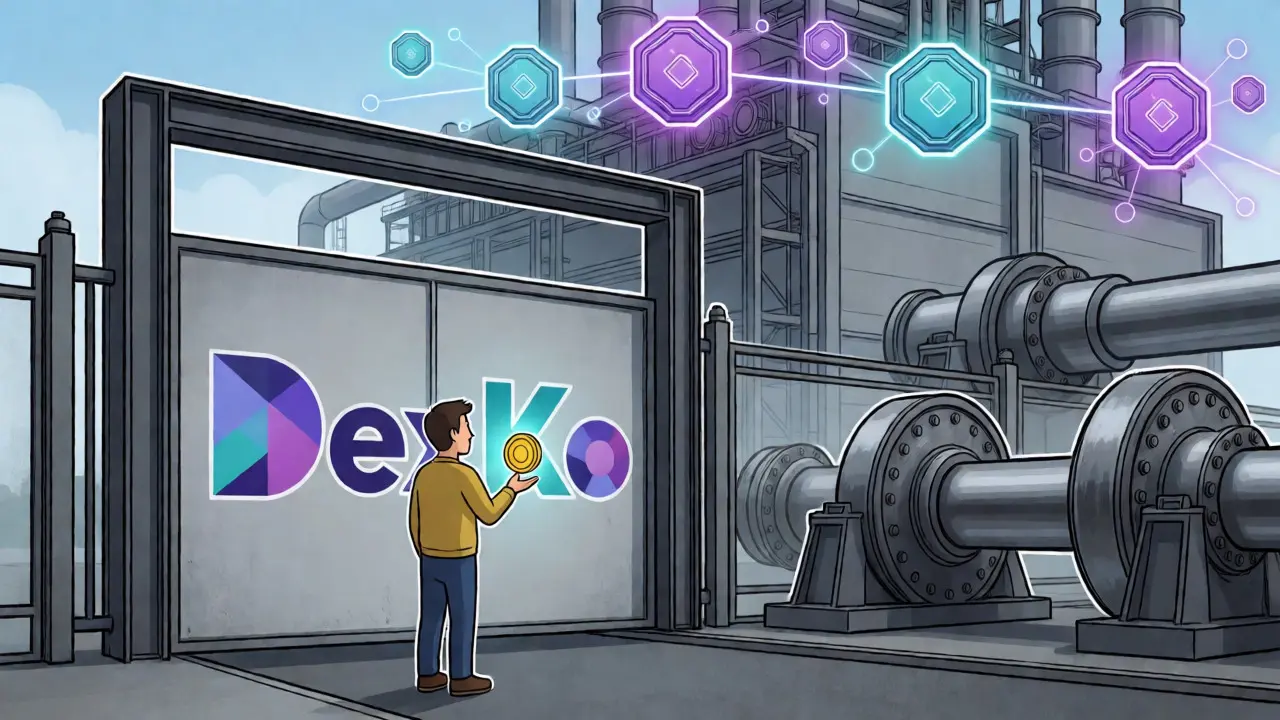
You might have stumbled upon Dexko while hunting for a new place to trade Bitcoin or Ethereum. The name sounds familiar-like "DEX," the shorthand everyone uses for Decentralized Exchanges. But here is the twist that saves you from sending your hard-earned crypto into a void: Dexko is not a cryptocurrency exchange at all. If you are looking to swap tokens, buy NFTs, or stake assets, you will not find a trading interface here. Instead, you will land on the website of a major industrial manufacturer.
This confusion is more common than you think. In the fast-moving world of digital assets, names like "Dex" pop up everywhere. Users often mix up platforms because the terminology overlaps with corporate branding. This review clears up the mystery once and for all. We will look at who DexKo actually is, why people confuse it with crypto platforms, and what you should use instead if you want to trade digital assets safely.
Who Is DexKo? A Manufacturing Giant, Not a Token Hub
To understand the mix-up, you need to know what DexKo really does. DexKo Global Inc. is a massive player in the automotive and trailer industry. Formed in 2017 through the merger of two heavyweights-Dexter Axle Company and AL-KO Vehicle Technology-the company specializes in "highly-engineered running gear." Think axles, chassis, and hydraulic braking systems for trailers, recreational vehicles (RVs), and commercial trucks.
The scale is impressive. DexKo operates 42 manufacturing locations across 22 countries. They employ roughly 10,000 people globally. Their headquarters sits in Novi, Michigan, far away from the server farms and blockchain nodes that power crypto networks. There is no evidence in their SEC filings or investor relations materials of any involvement in blockchain technology, token issuance, or digital asset custody. They deal in steel and hydraulics, not smart contracts.
Why Do People Confuse DexKo With a Crypto Exchange?
Language plays tricks on us. In crypto circles, "DEX" is the universal abbreviation for Decentralized Exchange. These are platforms where users trade directly with each other via code, without a middleman holding their funds. Examples include Uniswap, PancakeSwap, and dYdX.
When you add the suffix "o" or combine it with a brand name, you get things like "Dexko." It sounds plausible. Plus, there are legitimate crypto tools with similar names:
- dex-trade.com: An actual centralized exchange offering over 500 coins.
- DEXTools.io: A popular analytics platform for tracking DeFi trends.
- OKX DEX Swap: A feature within the OKX ecosystem that aggregates liquidity.
Because these names exist, a user searching for "Dexko" might assume it is another entry in this crowded market. Reddit threads and Trustpilot reviews show real users leaving one-star ratings on DexKo’s manufacturing site, complaining about "failed Bitcoin transactions." Those users were likely trying to buy trailer parts or just got lost, but they blamed the company for a service it never offered.
The Real State of Decentralized Exchanges in 2026
If you are reading this because you want to trade crypto, you need to look at the actual leaders in the space. As of late 2023 and heading into 2026, the DEX landscape has matured significantly. Trading volume shifts rapidly between blockchains, but a few names remain dominant.
| Platform | Primary Blockchain | Key Feature | Best For |
|---|---|---|---|
| PancakeSwap V3 | Binance Smart Chain (BSC) | Low fees, high speed | Small trades, meme coins |
| Uniswap V3 | Ethereum | Deep liquidity, wide selection | Large swaps, new tokens |
| Orca | Solana | User-friendly interface | Fast, cheap transactions |
| 1inch | Multi-chain | Aggregation (finds best price) | Optimizing trade costs |
Data from aggregators like CoinGecko shows that Ethereum-based platforms still hold a significant chunk of the market, though Solana and BSC have grown due to lower transaction costs. When you choose a DEX, you aren't just picking a brand; you are choosing a network. Your choice affects how much you pay in "gas fees" and how long your transaction takes to confirm.
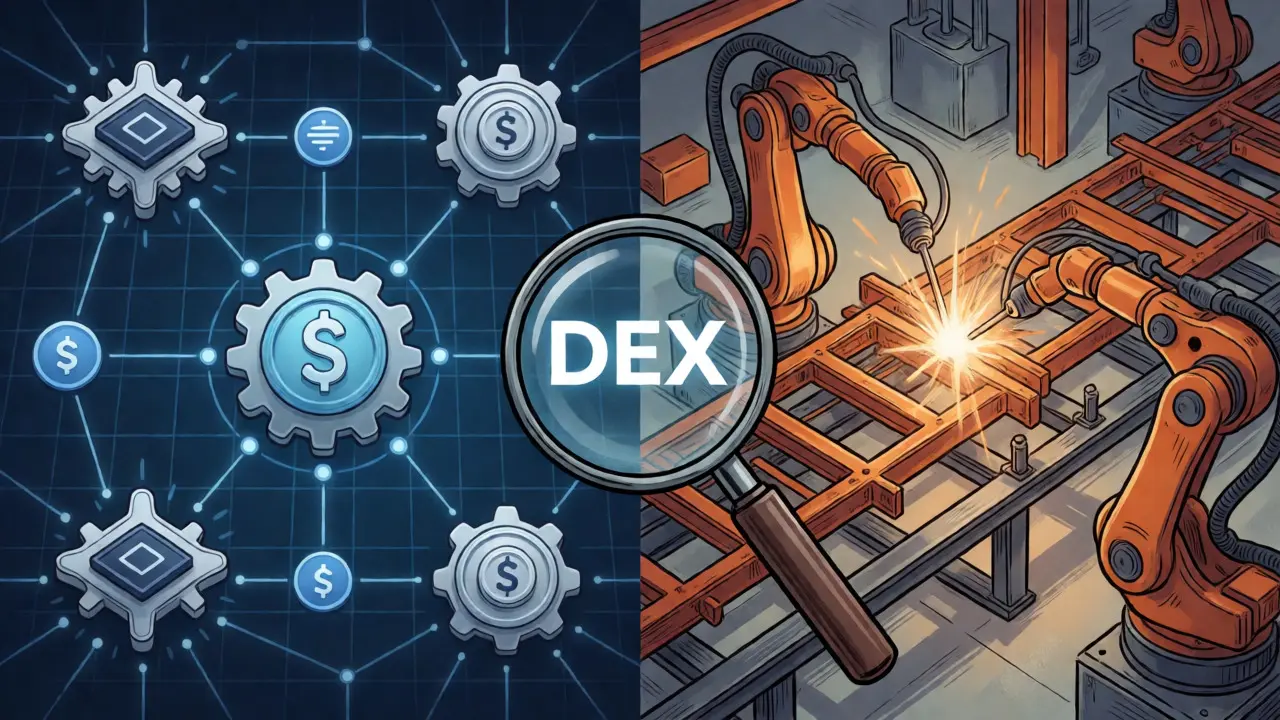
What You Actually Need to Trade on a DEX
Since DexKo won’t help you trade Bitcoin, let’s talk about what you do need. Using a real Decentralized Exchange requires a different setup than using a bank account or a centralized app like Coinbase.
- A Web3 Wallet: You need software that holds your private keys. MetaMask is the most common choice for Ethereum and compatible chains. For Solana, you might use Phantom.
- Native Tokens for Gas: Every transaction costs a fee paid to the network validators. On Ethereum, you need ETH. On Binance Smart Chain, you need BNB. On Solana, you need SOL. You cannot pay these fees with the coin you are trading if you don't have the native token.
- Understanding Slippage: Prices can change between the moment you click "swap" and when the transaction finishes. You set a "slippage tolerance" (usually 0.5% to 1%) to protect yourself from buying at a much higher price than expected.
Compare this to DexKo’s business model. To buy their products, you typically go through distributors like Trailer Parts Superstore. You pay with credit cards or invoices. There is no wallet connection, no gas fee, and no risk of "impermanent loss"-a concept unique to providing liquidity in crypto pools.
Is DexKo a Scam?
No. Calling DexKo a scam is unfair. It is a legitimate, publicly traded company (ticker: DKGL) that makes essential components for vehicles. The problem isn't fraud; it's misidentification. Investors and consumers sometimes project expectations onto companies based on names alone.
However, be careful with third-party websites claiming to be "Dexko Exchange." Since the real DexKo doesn't offer crypto services, any site promising high returns on "Dexko tokens" is likely an independent venture capital fund, a small altcoin project, or potentially a fraudulent scheme piggybacking on the name recognition. Always verify the URL. The official manufacturing site is dexko.com. If you see dexko-crypto.com or similar variations, proceed with extreme caution and check who owns the domain.
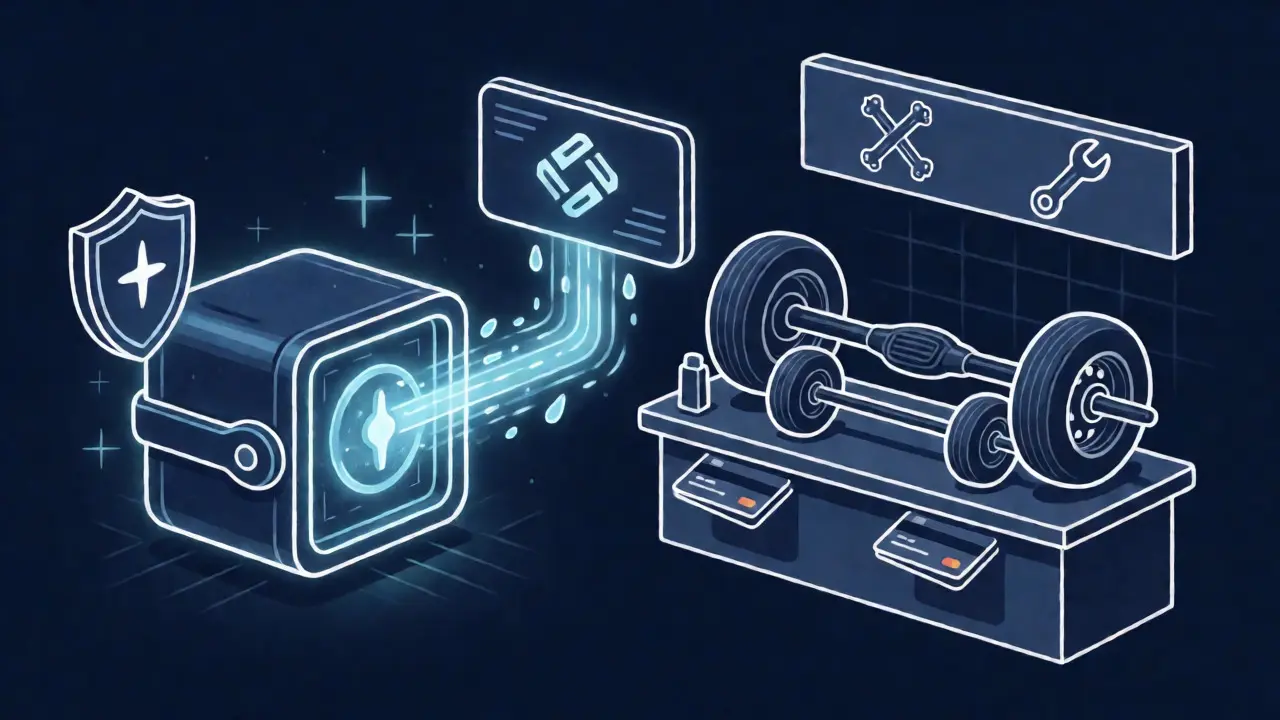
How to Verify a Legitimate Crypto Exchange
Before you deposit money into any platform, run through this quick checklist. It takes two minutes and saves you from headaches later.
- Check Aggregators: Look up the exchange on CoinMarketCap or CoinGecko. If it doesn't appear in their list of hundreds of tracked exchanges, it’s either very new or very obscure.
- Look for Proof of Reserves: After the collapse of FTX, reputable exchanges publish proof that they actually hold user funds. Does the platform show regular audits?
- Read Recent Reviews: Ignore old reviews. Search for feedback from the last three months. Are users complaining about withdrawal delays? That’s a red flag.
- Verify Regulatory Status: Are they licensed in your jurisdiction? In New Zealand, for example, you’d check against local financial service providers registers. In the US, state-level money transmitter licenses matter.
DexKo, as a manufacturer, complies with Department of Transportation standards. It does not hold a money transmitter license because it doesn't transmit money. This distinction is crucial for your legal protection if something goes wrong.
Alternatives to Consider
If you were hoping for a low-fee, easy-to-use platform, here are some solid alternatives that actually function as exchanges:
For Beginners: Stick with centralized exchanges (CEXs) like Kraken or Coinbase. They offer customer support, which DEXs lack. If you lose your password, you can reset it. On a DEX, if you lose your seed phrase, your money is gone forever.
For Active Traders: Try Bybit or OKX. They offer advanced charting tools and derivatives trading. Their interfaces are complex but powerful.
For DeFi Enthusiasts: Use Uniswap or Jupiter (on Solana). You keep custody of your assets, but you must manage your own security hygiene carefully.
Does DexKo have its own cryptocurrency?
No, DexKo Global Inc. does not issue its own cryptocurrency or token. They are a traditional manufacturing company listed on the stock market under the ticker DKGL. Any token claiming to be associated with DexKo is likely unrelated to the main corporate entity.
Can I buy Bitcoin on Dexko.com?
No. Dexko.com is the website for DexKo Global, a manufacturer of trailer and vehicle components. You cannot buy Bitcoin, Ethereum, or any other digital asset directly from their website. You must use a dedicated cryptocurrency exchange.
Why do people confuse DexKo with a DEX?
The confusion stems from the acronym "DEX," which stands for Decentralized Exchange. Because DexKo’s name starts with "Dex," users searching for decentralized exchanges often mistakenly type in "Dexko" or encounter ads linking the two concepts. Additionally, other crypto tools like DEXTools share similar naming conventions.
Is DexKo safe for investing?
As a stock investment (DKGL), DexKo is a regulated public company subject to standard financial reporting. However, it is not a "safe haven" for crypto holdings. If you are looking to store digital assets, you need a crypto-specific wallet or exchange, not a manufacturing firm.
What is the difference between a DEX and a CEX?
A CEX (Centralized Exchange) like Coinbase holds your funds and acts as a broker. A DEX (Decentralized Exchange) like Uniswap allows peer-to-peer trading via smart contracts, meaning you retain control of your private keys. DEXs require more technical knowledge but offer greater sovereignty over your assets.