
DAO Swap Crypto Exchange Review: Is Core Dao Swap Safe in 2026?
You’ve heard the promise: zero fees, decentralized control, and instant swaps. It sounds like the holy grail of crypto trading. But when you look closer at platforms like Core Dao Swap, a key player often referred to as DAO Swap, the picture gets murky. As we move through 2026, the question isn’t just about low costs-it’s about safety, liquidity, and whether this platform is even worth your attention.
If you are considering moving funds to an unregulated exchange because of attractive fee structures, you need to pause. The crypto landscape has matured significantly since the early days of wild west trading. Today, transparency and regulatory compliance are not just buzzwords; they are survival mechanisms for your capital. This review breaks down what Core Dao Swap actually offers, where it falls short, and why you might want to look elsewhere.
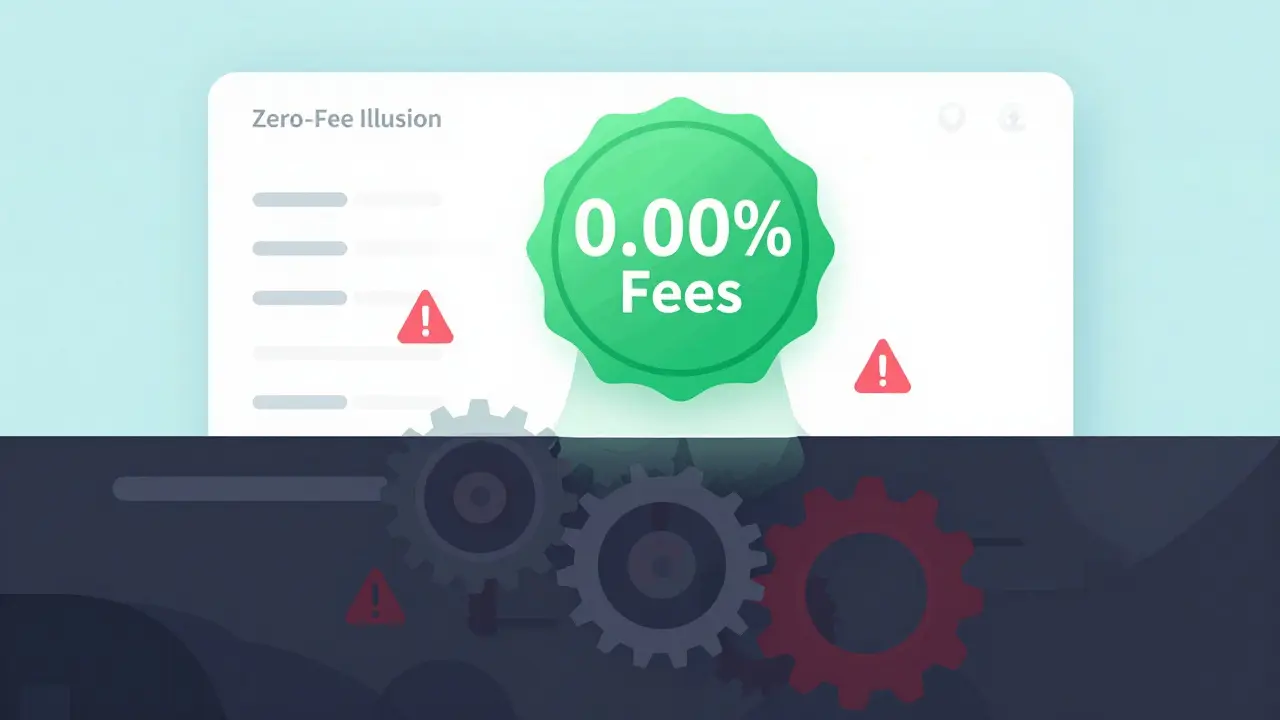
The Zero-Fee Illusion: What You Don't Pay in Fees, You Pay in Risk
Let’s start with the headline feature that draws people in: the fee structure. Core Dao Swap advertises 0.00% fees for both maker and taker orders. In a market where traditional centralized exchanges like Binance or Coinbase charge between 0.1% and 0.5% per transaction, this looks like free money. For high-frequency traders, saving fractions of a percent adds up quickly.
But here is the catch. Exchanges don’t operate for charity. If they aren’t charging you transaction fees, how do they sustain operations, security audits, and customer support? Often, the cost is hidden in wider spreads-the difference between the buy and sell price-or in slippage, especially if liquidity is thin. Without transparent data on trading volumes, it is hard to verify if these "zero fees" result in better execution prices than a standard 0.1% fee on a deep, liquid order book.
Compare this to Crypto Dao, a UK-based alternative that charges a flat 0.15% fee. While it costs more upfront, Crypto Dao operates under stricter oversight. That small percentage covers regulatory compliance, insurance funds, and operational stability. When evaluating a platform, ask yourself: would you rather pay a known, small fee for protection, or gamble on a zero-fee model with no safety net?
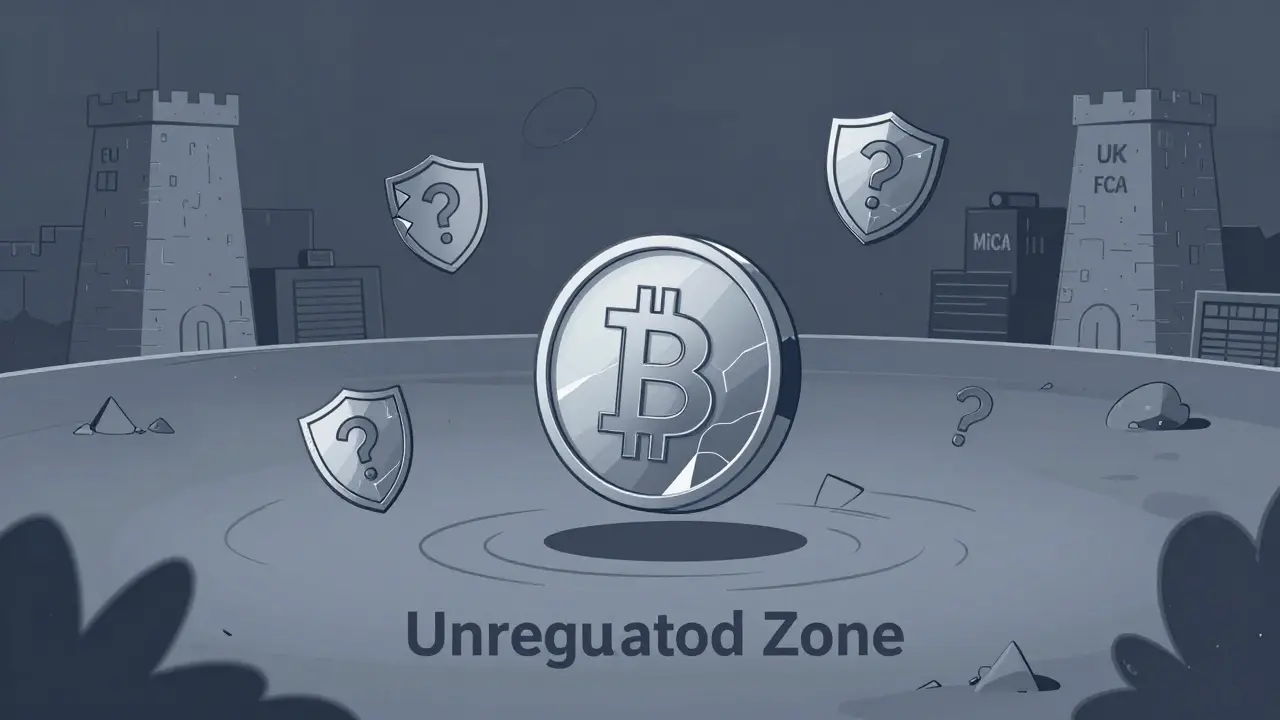
Regulatory Void: Trading in the Wild West
The most critical red flag for Core Dao Swap is its regulatory status. According to current data from verification sources like FxVerify, the platform is not regulated by any government authority. This means there is no financial watchdog overseeing its operations, no requirement for proof of reserves, and no legal recourse if something goes wrong.
In 2026, the global regulatory environment for cryptocurrencies has tightened considerably. Major jurisdictions including the United States, the European Union (under MiCA regulations), and the United Kingdom have established clear frameworks for digital asset service providers. Platforms operating outside these frameworks are considered high-risk. If Core Dao Swap faces technical issues, hacks, or insolvency, you have no one to call. There is no deposit insurance scheme backing your assets.
This lack of regulation also impacts trust. Regulated exchanges must undergo regular audits and maintain segregation of client funds. Unregulated entities may commingle user funds with operational capital, creating significant counterparty risk. Before connecting your wallet or depositing fiat, consider if the potential savings justify the total loss of consumer protections.
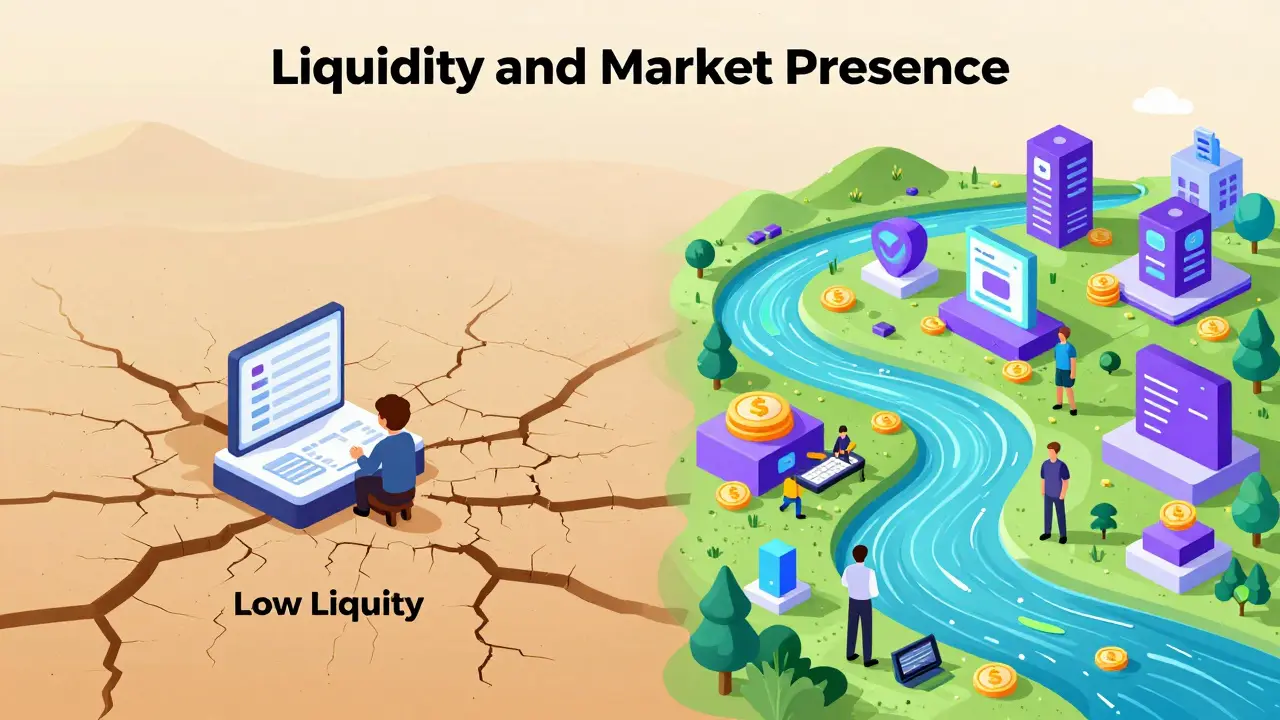
Liquidity and Market Presence: A Ghost Town?
A crypto exchange is only as good as its liquidity. Liquidity determines how easily you can buy or sell assets without drastically affecting the price. Core Dao Swap shows concerning metrics regarding its market presence. Web traffic analysis ranks it 599 out of 630 among cryptocurrency exchanges in terms of organic traffic. This places it firmly in the bottom tier of visibility.
Even more alarming are the engagement metrics reported: a 0% bounce rate and zero average visit duration. While these numbers could indicate data collection errors, they often reflect a lack of active users. Low user activity leads to shallow order books. If you try to swap a large amount of tokens, you might suffer massive slippage, meaning you get far fewer tokens than expected. For everyday traders, this makes executing trades efficiently nearly impossible.
Contrast this with giants like Uniswap, which dominates the decentralized exchange space with vast liquidity pools across Ethereum and other chains. Or consider cross-chain solutions like Symbiosis or Jumper.Exchange, which aggregate liquidity from multiple sources to ensure the best rates. Core Dao Swap lacks this depth, making it unsuitable for anything beyond trivial test transactions.
Technical Infrastructure: The Core DAO Ecosystem
To understand Core Dao Swap, you must look at the underlying technology. It is built on the Core DAO blockchain, which utilizes a unique consensus mechanism called Satoshi Plus. This system aims to combine Bitcoin’s security with Ethereum’s flexibility, allowing for smart contracts and DeFi applications while maintaining robust security.
The Core DAO project itself has ambitious goals, focusing on bridging Bitcoin and DeFi ecosystems through innovative staking mechanisms. However, the success of the underlying blockchain does not automatically guarantee the quality of its native exchange. Many blockchains have launched their own DEXs (Decentralized Exchanges) that failed due to poor UX, lack of marketing, or insufficient liquidity incentives.
Specific technical details about Core Dao Swap’s integration-such as API reliability, mobile app availability, or advanced trading features-are largely absent from public documentation. In the competitive DeFi space, developers prioritize platforms that offer seamless cross-chain functionality and intuitive interfaces. Core Dao Swap appears to lag behind in both areas, offering a basic swap interface without the advanced tools professional traders require.
User Experience and Community Feedback
In the age of social media and review platforms, silence is deafening. Core Dao Swap has virtually no user reviews on major tracking sites. FxVerify shows no user ratings, with all categories displaying 0.00%. This absence suggests either a very new platform with minimal adoption or one that has failed to attract a community.
Community feedback is crucial for identifying common issues such as withdrawal delays, customer support responsiveness, or hidden bugs. Without this crowd-sourced intelligence, you are entering blind. Compare this to established platforms where thousands of users discuss their experiences openly. The lack of community engagement around Core Dao Swap indicates low trust and limited utility.
Better Alternatives for 2026
If you are looking for low fees, privacy, or ease of use, there are superior options available in 2026. Here is how Core Dao Stack compares to proven alternatives:
| Platform | Fees | Regulation | Liquidity | Best For |
|---|---|---|---|---|
| Core Dao Swap | 0.00% | Unregulated | Very Low | Experimental testing only |
| Crypto Dao | 0.15% Flat | UK Regulated | Moderate | Safety-conscious traders |
| Uniswap | Variable (0.05%-1%) | Decentralized | High | Ethereum & ERC-20 tokens |
| GhostSwap | Low | No-KYC/Privacy | High (1500+ coins) | Anonymous cross-chain swaps |
| Symbiosis | Competitive | Decentralized | High Cross-Chain | Instant multi-chain bridges |
For users prioritizing privacy, GhostSwap offers no-KYC swapping with support for over 1,500 cryptocurrencies. For those needing cross-chain efficiency, Symbiosis provides instant swaps with aggregated liquidity. These platforms have proven track records, active communities, and transparent operations.
Security Risks and Due Diligence
When dealing with unregulated platforms, security becomes your primary responsibility. Core Dao Swap does not publish comprehensive security protocols, audit reports, or bug bounty programs. In the DeFi world, smart contract vulnerabilities are a constant threat. Without independent audits from firms like CertiK or OpenZeppelin, you cannot be sure the code is safe from exploits.
Additionally, consider the custodial nature of the platform. If Core Dao Swap holds your private keys or acts as an intermediary, you are trusting them with your funds. Given the lack of regulatory oversight, there is no guarantee they will honor withdrawals during periods of market stress. Always prefer non-custodial solutions where you retain control of your assets via your own wallet.
Final Verdict: Proceed with Extreme Caution
Core Dao Swap presents a compelling pitch with its zero-fee model, but the reality falls short. The combination of unregulated status, negligible liquidity, and absent community feedback makes it a high-risk proposition. In 2026, the crypto market rewards platforms that offer transparency, security, and reliability-not just cheap transactions.
Unless you are conducting small-scale experiments within the Core DAO ecosystem for educational purposes, there is little reason to use Core Dao Swap for serious trading. The potential for slippage, security breaches, and lack of recourse outweighs the benefit of saving a fraction of a percent on fees. Stick to established, audited, and preferably regulated platforms to protect your capital.
Is Core Dao Swap safe to use?
Core Dao Swap carries significant risks due to its unregulated status and low liquidity. Without regulatory oversight or substantial user base, there is no guarantee of fund safety or successful withdrawals. Use with extreme caution.
Why are the fees on Core Dao Swap 0%?
The 0% fee model is likely a marketing strategy to attract users. However, costs may be hidden in wide spreads or slippage due to low liquidity. Sustainable operations usually require some form of revenue generation.
What is the difference between Core Dao Swap and Crypto Dao?
Core Dao Swap is an unregulated platform with zero fees and low liquidity. Crypto Dao is a UK-regulated exchange charging a flat 0.15% fee, offering greater security and consumer protection.
Can I trade Bitcoin on Core Dao Swap?
While Core DAO aims to bridge Bitcoin and DeFi, specific support for direct Bitcoin trading on the swap interface is unclear and likely limited compared to major exchanges. Check current supported pairs before attempting trades.
Are there better alternatives for low-fee swaps?
Yes. Platforms like Uniswap, Symbiosis, and GhostSwap offer competitive fees with much higher liquidity, security audits, and active user communities, making them safer choices for daily trading.