
Crypto Exchanges Banned in Iran: Sanctions, Freezes & Restrictions
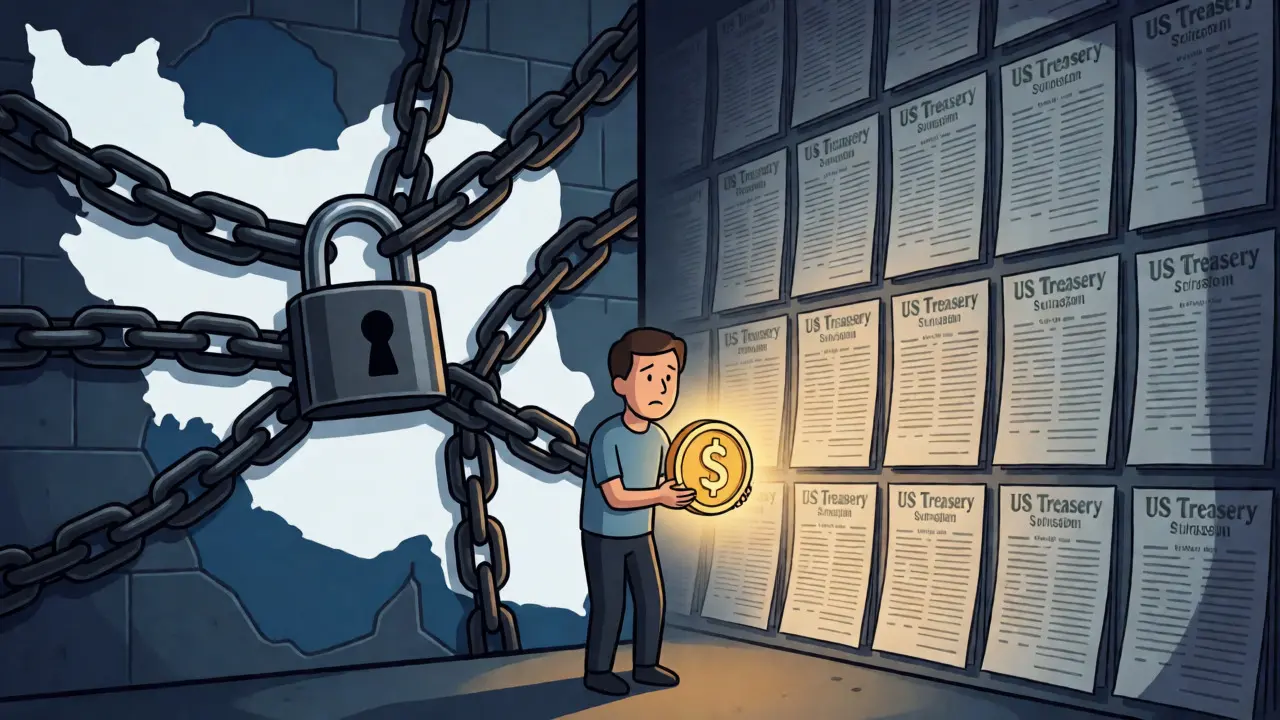
Imagine waking up to find your life savings frozen because a stablecoin issuer decided you live in the wrong country. That is the reality for many Iranian crypto users right now. It’s not just about one exchange blocking you; it’s a tangled web of domestic bans and international sanctions that makes trading digital assets feel like walking through a minefield. If you’re trying to figure out which crypto exchanges are banned in Iran, the answer isn’t a simple list. It’s a shifting landscape where US Treasury rules clash with Tehran’s strict central bank directives.
The Myth of the Simple Ban List
Most people look for a static list of prohibited platforms, but that’s misleading. In Iran, restrictions come from two directions. First, there are domestic regulations that control how local exchanges operate. Second, and more painfully, there are international compliance measures. Major global providers like Tether or former giants like Bittrex block Iranian users to avoid heavy fines from the US government. So, when we talk about "banned" exchanges, we often mean those that have voluntarily or mandatorily cut off access to Iranian IPs and accounts to stay compliant with Western sanctions.
Tether’s Freeze: The Biggest Threat
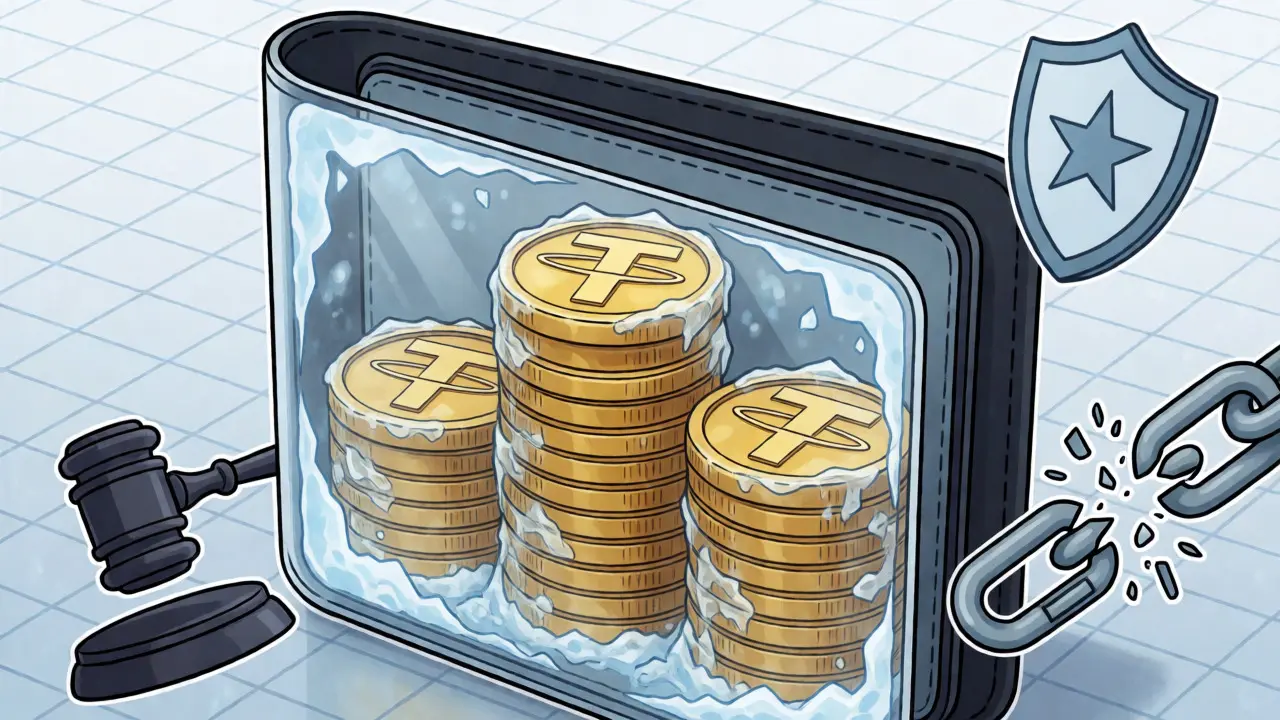
If you use USDT (Tether), you need to pay attention. On July 2, 2025, Tether executed its largest-ever freeze of Iranian-linked funds. They targeted 42 specific cryptocurrency addresses. More than half of these had direct exposure to Nobitex and other IRGC-affiliated wallets. This wasn’t a random glitch; it was a coordinated enforcement action. Tasnim News Agency reported that thousands of Iranian user accounts were blocked based on Tether’s data.
Why does this matter? Because Tether is the backbone of crypto trading in sanctioned countries. When Tether freezes your balance, you can’t move your money. You can’t sell it. You’re stuck. This event forced Iranian traders to scramble for alternatives, moving into different stablecoins like DAI or switching networks entirely. It highlights a harsh truth: holding USDT as an Iranian resident is risky business right now.
Domestic Rules: The Central Bank’s Iron Grip
Inside Iran, the government has tightened the screws significantly. On December 27, 2024, the Central Bank of Iran effectively blocked all crypto-to-rial payments through internet websites. This was a massive shift. Before this, you could trade relatively freely online. After this directive, only exchanges using the government’s own API system could operate legally. This API gives the state full access to user data, meaning every transaction is watched.
By September 2025, the restrictions got tighter. Deputy Governor Asghar Abolhasani announced new limits on stablecoins. Here are the hard numbers:
- Purchase Limit: Individuals and companies can buy a maximum of $5,000 worth of stablecoins annually.
- Holding Limit: You cannot hold more than $10,000 worth of stablecoins in your balance at any given time.
These caps are designed to prevent capital flight. If you try to convert too much rial into dollars via crypto, the system blocks you. It’s a controlled environment where the state decides who gets to participate in the global market and how much they can take out.
International Sanctions and OFAC Pressure
You can’t talk about Iranian crypto without mentioning the US Treasury’s Office of Foreign Assets Control (OFAC). OFAC has been aggressive in targeting crypto channels used by sanctioned states. In 2024 alone, OFAC issued 13 designations that included cryptocurrency addresses. This was the second-highest number in seven years.
Western exchanges comply with these sanctions to avoid losing their banking relationships. Remember Bittrex? It went bankrupt partly due to legal battles over freezing Iranian accounts. An Iranian national named Ghader sued them for $88 million, claiming the freeze cost him millions during bull runs. The courts sided with Bittrex, citing Terms of Service clauses that allow exchanges to suspend accounts for compliance reasons. This precedent scares other exchanges. They’d rather block an Iranian user than risk a lawsuit or a fine.
| Restriction Type | Enforcing Entity | Specific Constraint | Impact on User |
|---|---|---|---|
| Stablecoin Caps | Central Bank of Iran | $5k annual purchase / $10k holding limit | Limited ability to hedge against inflation |
| Address Freezes | Tether (USDT) | Freezing addresses linked to IRGC/Nobitex | Funds locked; inability to withdraw/sell |
| Payment Blocking | Central Bank of Iran | Block on crypto-to-rial web payments | Forced use of licensed local APIs |
| Sanctions Compliance | OFAC / Global Exchanges | Blocking Iranian IPs/accounts | Loss of access to major global platforms |
The Advertising Ban: Silencing the Market
In February 2025, Iran took a step few other countries have attempted: a total ban on cryptocurrency advertising. This applied to both real-life billboards and online ads. The goal was to curb adoption by limiting information flow. If you can’t see ads for Bitcoin or Ethereum, you’re less likely to jump in. This move signals that the regime views crypto not just as a financial tool, but as a potential threat to monetary sovereignty. By restricting marketing, they aim to slow down the grassroots adoption that usually thrives in high-inflation economies.
Workarounds: How Iranians Keep Trading
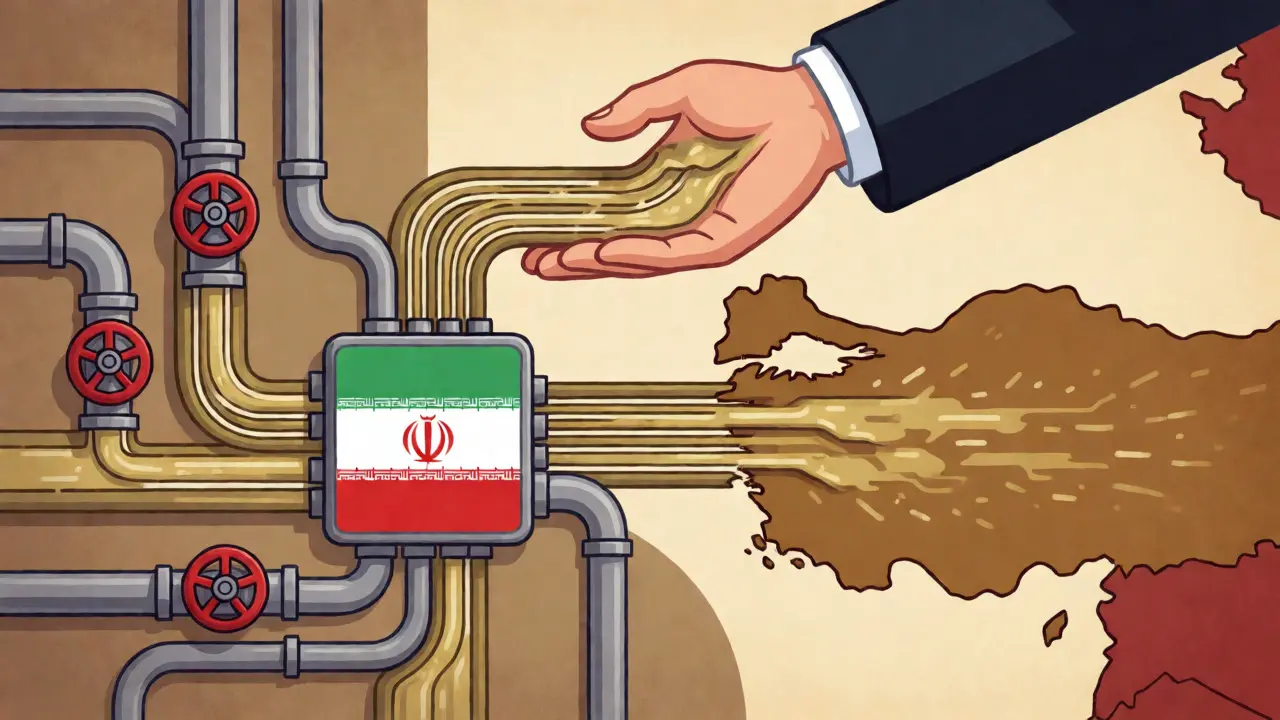
So, if major exchanges are risky and domestic rules are tight, what do people do? They adapt. Turkey has emerged as a crucial hub. Many Iranian traders use Turkish exchanges or intermediaries. Why Turkey? Its economy is dollarized, and residency channels are flexible. It acts as a bridge between the isolated Iranian market and the global financial system. Western governments know this, too, and have flagged Turkish companies as key players in sanctions evasion schemes.
Another common tactic is switching stablecoins. After the Tether freezes, many users moved to DAI on the Polygon network. This decentralized approach reduces reliance on centralized issuers who might freeze your funds. It’s cat-and-mouse game. Regulators block one path, and users find another. But each workaround comes with higher fees and greater complexity.
Taxation: The New Reality
Don’t think this is all about bans. Iran is also taxing crypto. In August 2025, the Law on Taxation of Speculation and Profiteering came into effect. For the first time, crypto trading profits are subject to capital gains tax. This puts digital assets alongside gold, real estate, and forex. It’s a clear signal that Tehran intends to regulate and profit from the sector, even while restricting its growth. If you’re trading actively, you now have to report those gains, adding another layer of administrative burden.
Are all crypto exchanges banned in Iran?
No, not all exchanges are banned. Domestic exchanges like Nobitex operate under strict government oversight and must use approved APIs. However, many international exchanges block Iranian users due to US sanctions. The restriction is more about compliance and payment channel limitations than a blanket ban on all platforms.
Can I still use Tether (USDT) in Iran?
You can, but it is risky. Tether has frozen addresses linked to Iranian exchanges and entities. Additionally, the Central Bank of Iran imposes strict limits: you can only purchase $5,000 worth annually and hold no more than $10,000 at once. Many users switch to other stablecoins like DAI to avoid these risks.
Why did Bittrex freeze Iranian accounts?
Bittrex froze accounts to comply with US Treasury sanctions enforced by OFAC. The exchange cited its Terms of Service, which allow account suspension for regulatory compliance. This action prevented Iranian users from accessing their funds during significant market movements, leading to lawsuits that generally favored the exchange.
Is cryptocurrency mining legal in Iran?
Yes, mining is legal but regulated. Iran recognized mining as a legal industry in 2018 to monitor energy usage. Miners must obtain licenses and adhere to grid stability requirements. However, the focus has shifted recently toward regulating trading and stablecoin holdings rather than just mining operations.
What is the penalty for violating crypto advertising bans?
Since the February 2025 ban, displaying crypto advertisements in public or online spaces can result in fines and removal of content. The government aims to reduce hype and speculative investment by controlling the narrative around digital assets.