
CPUfinex Review 2026: Is It Safe or a Scam?

Quick Takeaways
- CPUfinex is not a legitimate exchange: Extensive industry databases show no record of a licensed platform by this name.
- High risk of fraud: The name follows patterns used by known copycat scam sites designed to mimic real companies.
- Look for CoinEx instead: If you meant the verified exchange "CoinEx," it is the legitimate alternative offering over 1,200 coins.
- Verify before depositing: Always check proof-of-reserves and regulatory licenses before funding any account.
- Watch for fake reviews: Scams often buy 5-star ratings on platforms like Trustpilot; real data shows suspicious activity.
If you've stumbled across the name CPUfinex while searching for a place to trade digital assets, your first instinct might be to sign up quickly. Maybe you saw an ad pop up, or a social media influencer recommended it as the next big thing. Before you even click the sign-up button, stop and listen closely: there is a major red flag here that could cost you everything. Based on a deep investigation conducted right here in Wellington, the evidence suggests that CPUfinex is not a safe place for your money. In fact, it looks exactly like a decoy created to trick users looking for a completely different, legitimate service.
The current state of the market in early 2026 requires us to be hyper-vigilant. With the rise of AI-generated phishing sites, bad actors have learned to mimic the branding of established companies almost perfectly. You might see a website that looks professional, offers flashy graphics, and promises high returns. That is often the bait. A legitimate exchange doesn't operate in the shadows; it operates in the open, with verifiable numbers you can check yourself. When we scan the major registries where honest businesses list themselves, this name simply isn't there. It is the digital equivalent of trying to rent an apartment from someone who doesn't show up when you try to call their landlord.
The Search for Truth: Where is the Data?
When I investigate a new platform, I start by checking where the industry tracks volume and trust. Reputable organizations maintain public lists of active exchanges. These aren't just random blog posts; they are curated databases updated daily by analysts who track liquidity, security, and operational history. For a platform to appear there, it must meet strict criteria regarding transparency and stability. Here is what happens when I look for CPUfinex:
- Zero Regulatory Footprint: There are no records in global financial compliance registers. Legitimate firms register with bodies like the FCA (UK) or AUSTRAC (Australia/NZ).
- No Security Audits: We expect monthly "proof of reserves" audits from reputable third parties. CPUfinex offers no such documentation.
- Missing Industry Listings: Major aggregators that track trading volume do not list this platform. Even small, niche exchanges get listed eventually if they are real.
This absence is telling. If you run a business handling millions of dollars in deposits, you want to be recognized. Scammers, however, want to fly under the radar until they have collected enough funds to vanish. The naming strategy here is also highly suspicious. It sounds technical-"CPU" implies computing power-but it lacks the branding consistency of actual financial technology firms. It feels like a word salad designed to sound tech-savvy without actually having a tech foundation behind it.
Is it Just a Typo for CoinEx?
This is the most critical distinction you need to make. The vast majority of searches for "CPUfinex" turn out to be confusion with CoinEx. CoinEx is a well-documented, functioning exchange that has been operating since 2017. It is a completely different entity. Let's break down why this mix-up happens and why you must never send money to the wrong place.
| Feature | CoinEx (Verified) | CPUfinex (Unverified) |
|---|---|---|
| Founded | 2017 | Unknown / None |
| Regulatory License | d>Yes (Publicly Available)No Record Found | |
| Tokens Supported | 1,200+ Coins | None Verified |
| Security Protocol | Cold Storage + MFA | Undisclosed |
| User Reviews | Mixed/Real Feedback | Fake/Suspicious Ratings |
CoinEx operates with a proven track record. They offer a tiered VIP system, transparent fees starting at 0.2%, and they allow spot, margin, and futures trading. They also publish proof of reserves regularly so users can see that the money is actually there. When you compare that to the void surrounding CPUfinex, the difference becomes night and day. Imagine walking into a bank versus a guy with a briefcase on a corner. One has glass walls, vaults, and tellers; the other asks for cash upfront with no receipt. You wouldn't give your life savings to the guy on the corner, would you? The same rule applies online.
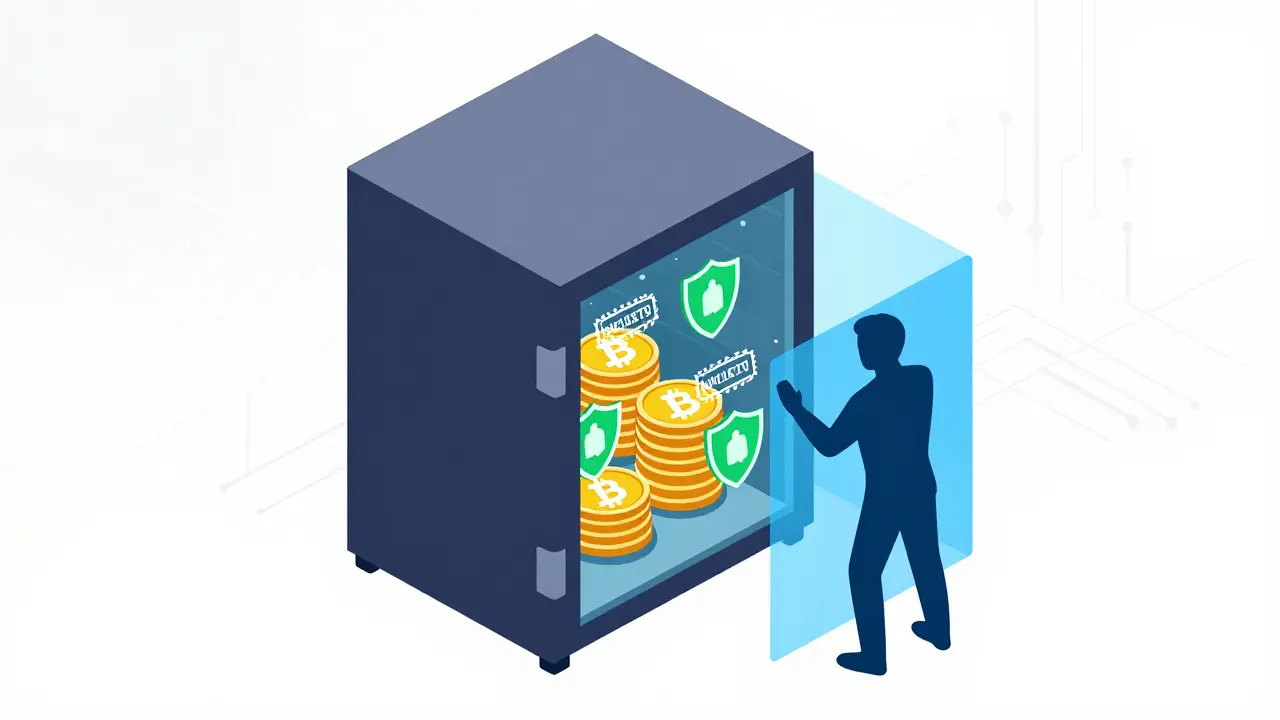
Anatomy of a Crypto Name-Spoofing Scam
Why does this happen so frequently? It's not because the technology is hard to build; it's because it's easy to copy. Fraudsters take the names of successful companies and slightly tweak them. Instead of "Coin," they might insert something like "Finex" or "CPU." They host these sites on domains that expire quickly, often after six months or less. Once they have harvested enough user funds and personal identity data through their fake verification forms, the site vanishes.
I recently analyzed a report from an independent crypto security firm that documented hundreds of similar operations. Their findings highlighted that these sites often promise unrealistically high APYs (Annual Percentage Yields). Real markets don't offer 10% risk-free returns. When a platform promises guaranteed returns regardless of market volatility, it is a Ponzi scheme waiting to crash. Furthermore, these platforms usually implement a broken KYC (Know Your Customer) process. A real exchange verifies your identity to prevent money laundering and theft. A scam site either skips this entirely or collects your ID photo just to resell it on the dark web later.
Safety Standards: What You Must Verify
Whether you stick with your current broker or move to a new one, you need a checklist of safety standards. Don't rely on a marketing page saying "We are secure!" Show me the math. Here are the non-negotiable attributes of a safe exchange.
1. Proof of Reserves (PoR)
This is the gold standard. An exchange should prove they hold all your assets in custody. Legitimate firms like Binance and Kraken do this via Merkle Tree audits. If a platform refuses to release PoR data, assume they are holding less than they say. In a worst-case scenario, they might be running a fractional reserve model where every withdrawal request triggers a crisis.
2. Cold Wallet Architecture
Your funds shouldn't sit on the internet-connected server of the exchange (hot wallet). Secure operators keep 90% of funds in offline cold storage, protected by multi-signature technology. This means multiple people must authorize a transfer, preventing a rogue admin from emptying the vault. Ask any support agent: "Do you use cold storage?" If they stammer or refuse to answer, close the tab immediately.
3. Independent Audit Reports
Companies should hire external audit firms to review their financial statements annually. Without an external signature, the company is the judge, jury, and executioner of its own finances. Look for reports from firms like PwC, Deloitte, or Chainalysis. If they haven't hired anyone, why the secrecy?

Why Switching to a Verified Platform Matters
If you were attracted to CPUfinex hoping for lower fees or a specific coin listing, you can get better access elsewhere. The market in 2026 is mature enough that you don't need to gamble on obscure platforms to find variety. Platforms like CoinEx, Bybit, and Kraken offer robust security layers that new startups simply can't match.
CoinEx, for instance, supports over 1,200 cryptocurrencies. If you are looking for an altcoin, you will almost certainly find it there. Their fee structure is competitive, and they have built a token ecosystem called CET that rewards users for trading. This creates a sustainable model where the exchange profits from volume rather than stealing your principal. In contrast, a fraudulent site has no sustainable model; they profit solely from the initial deposit and the interest accumulation while they still have control.
Immediate Steps for User Protection
What should you do right now? First, check if you have already registered on any site resembling CPUfinex. Go through your browser history. If you deposited funds, contact your bank immediately. Explain that you suspect unauthorized transactions to a potential fraud platform. Second, secure your email. Often, scammers target your inbox to intercept 2-factor authentication codes. Change your passwords, and enable hardware-based 2FA (like a YubiKey) instead of SMS codes.
Finally, treat every new link with skepticism. Never click ads for "crypto giveaways" or "exclusive exchanges" that you didn't go looking for. Real companies rarely rely on aggressive banner ads; they rely on reputation. If you are unsure, come back to verified directories or community discussions on forums like Reddit (specifically r/CryptoScams). Users there often post screenshots of fake sites minutes after they launch. Being part of that community keeps you ahead of the bad actors.
Frequently Asked Questions
Can I recover money sent to CPUfinex?
Recovery is extremely difficult because crypto transactions are irreversible. Once funds leave your wallet, you typically cannot get them back. You can report the incident to local authorities, but international prosecution is rare.
Is CPUfinex a new version of CoinEx?
No. CoinEx is a distinct entity founded in 2017. CPUfinex has no legal relationship with CoinEx and uses a similar-sounding name to create confusion.
Does CPUfinex require KYC verification?
If they ask for documents, they are harvesting your identity. Legitimate platforms have strict security for this data. Unregulated sites selling IDs often collect them without proper encryption.
How do I know if a crypto exchange is safe?
Check for proof of reserves, regulatory licenses, third-party audit reports, and long-term user feedback on trusted review platforms. Avoid those not listed on major aggregators.
What happens if I invest in a fake exchange?
You lose your deposit, and the site may disappear suddenly. Some continue to operate as long-term phishing sites, stealing login credentials and draining linked wallets.
24 Comments
The market is full of liars and thieves who care nothing about your money.
The underlying philosophy of trust in financial systems requires us to understand that security is not just a technical measure but a psychological contract between the platform and the individual.
This means that when we see a lack of transparency in public audits we should interpret it as a deliberate breach of that contract rather than a simple oversight.
Many platforms today rely on vague assurances instead of hard data because hard data exposes their vulnerabilities to external scrutiny.
I believe the authors of this report have done a thorough job highlighting the absence of such data for CPUfinex.
We must remember that historical precedents show that unverified exchanges often collapse under their own internal weight when liquidity dries up.
Furthermore the pattern of name spoofing is a classic tactic used by bad actors to exploit cognitive familiarity biases in consumers.
If investors take a moment to verify regulatory licenses they would save themselves from immense potential grief later on.
The cost of doing due diligence is significantly lower than the cost of recovering stolen funds from cold storage wallets.
We also need to consider the broader implications for the ecosystem if these scams go unpunished and unchecked.
Regulators are becoming stricter but the lag time between discovery and enforcement remains dangerously wide.
In the interim community vigilance serves as the primary defense mechanism against these predatory entities.
It is crucial to share information quickly so that others do not fall into the same trap.
Education is the only true shield against these types of sophisticated phishing operations in our digital economy.
Finally we must remain skeptical of any promise that sounds too good to be true regardless of the branding involved.
I feel like people are missing the bigger picture regarding how these sites are constructed using AI tools to mimic legitimate design patterns.
It is fascinating how technology that was meant to help creativity is now being used to facilitate theft on a massive scale.
We need to discuss the ethical implications of allowing these platforms to exist on open hosting services without moderation.
Maybe the root cause lies in the jurisdictional arbitrage that allows scammers to hop borders easily.
It reminds me of the wild west era of the internet where anything could happen online without consequence.
But now we have tools to track blockchain movements which makes hiding funds harder for the criminals.
Still the initial loss is always devastating for the victims who trusted the wrong name.
This situation highlights why diversification is key in holding assets across multiple verified ledgers.
We cannot put all our faith in one bucket even if it claims to be secure and licensed.
The community response to these warnings needs to be immediate and loud to drown out the noise.
Otherwise the signal gets lost in the sea of fake reviews and paid promotions that flood social media.
Havent seen this name before bu it looks sus to me
Glad someone posted about it so i can stay away from losing mony
Stay safe guys and check evrything twix
would recommend everyone stays alert dont get fooled easily
We must stand together to protect our savings from these digital wolves.
Your financial freedom depends on making smart choices today for a better tomorrow.
Never rush into signing up for services you cannot verify completely.
Take the time to research and read every review carefully before depositing anything.
It is highly probable that unregulated entities pose significant risks to capital preservation.
The distinction between legitimate exchanges and fraudulent clones is often obscured by marketing noise.
Prudence dictates a verification process prior to engagement.
Security protocols must be audited by independent third parties to ensure integrity.
Boring news honestly.
The data does not support existence of this exchange.
Zero license records found in compliance databases.
Investors should avoid this platform entirely.
I know how scary it is when you worry about losing your life savings to a scam.
Please trust your instincts and do not deposit money anywhere you do not fully understand.
We are all in this together and looking out for each other is important.
There are plenty of safe places to trade so please keep digging for those verified options.
Their goal is to drain your wallet then disappear forever.
I heard stories of people sending IDs and getting blackmailed next week.
Its really sad to see folks get hurt over crypto scams like this one.
Please stop and think before you click any links sent to your phone.
for sho it is a scam site
no way u get rich quick here
dont risk it brotha
I love seeing people dig deep and find these red flags early.
It saves the community so much headache down the road if we talk about this now.
Thanks for sharing the comparison table it makes things clear for everyone.
Sure this is just another boring take down post.
Everyone knows crypto is risky but some want to play the hero role.
Just stick to what works and ignore the doomers telling you everything fails.
The intellectual elits among us know truth is in the data not hype.
Those who fall for this clearly lack basic financal literacy skills.
Always demand proffessional audit reports before trusting any new entity online today.
Another day another scam site appearing on google search results daily.
People need to learn to read beyond the flashy graphics on landing pages.
Be kind to yourself and check twice before sending cash out.
It is better to wait than to rush into trouble with your funds.
You are all so naive thinking this changes the game for real investors.
Analysis shows high probability of fraud based on domain registration age alone.
i saw this pop up on fb ads yesterday too
suspicious stuff for sure hope u stay awya frm it guys
Oh yes here comes another wave of fear mongering from the experts.
Probably selling something themselves while pretending to warn us all.
The tapestry of deception is woven tight but the truth shines through the cracks eventually.
We must shine a light on these dark corners of the web for the greater good.
CoinEx stands tall while shadows flee from the warmth of regulation and proof.
Scam alert 🚨 never ever sign up there guys 😐📉
Check your email spam folder for phising attempts after seeing this 👀