
Cirus Foundation (CIRUS) Explained: Data Monetization in Web3

Think about how much money big tech companies make off your browsing habits, your location, and your shopping preferences. You provide the data for free, and they sell the insights for billions. Cirus Foundation is a Web3-powered project designed to flip this script by letting you own and sell your own personal data. Instead of being the product, you become the owner. By combining a specific piece of hardware with blockchain tech, it aims to turn your internet usage into a passive income stream.
The Core Idea: Selling Your Digital Footprint
At its heart, Cirus Foundation is trying to solve the problem of data exploitation. In the current web model, your data is harvested by intermediaries. Cirus moves this into a decentralized environment where a Data Marketplace acts as the middleman, connecting you directly with buyers who want your information. This means you get a cut of the profit that usually goes to a corporation.
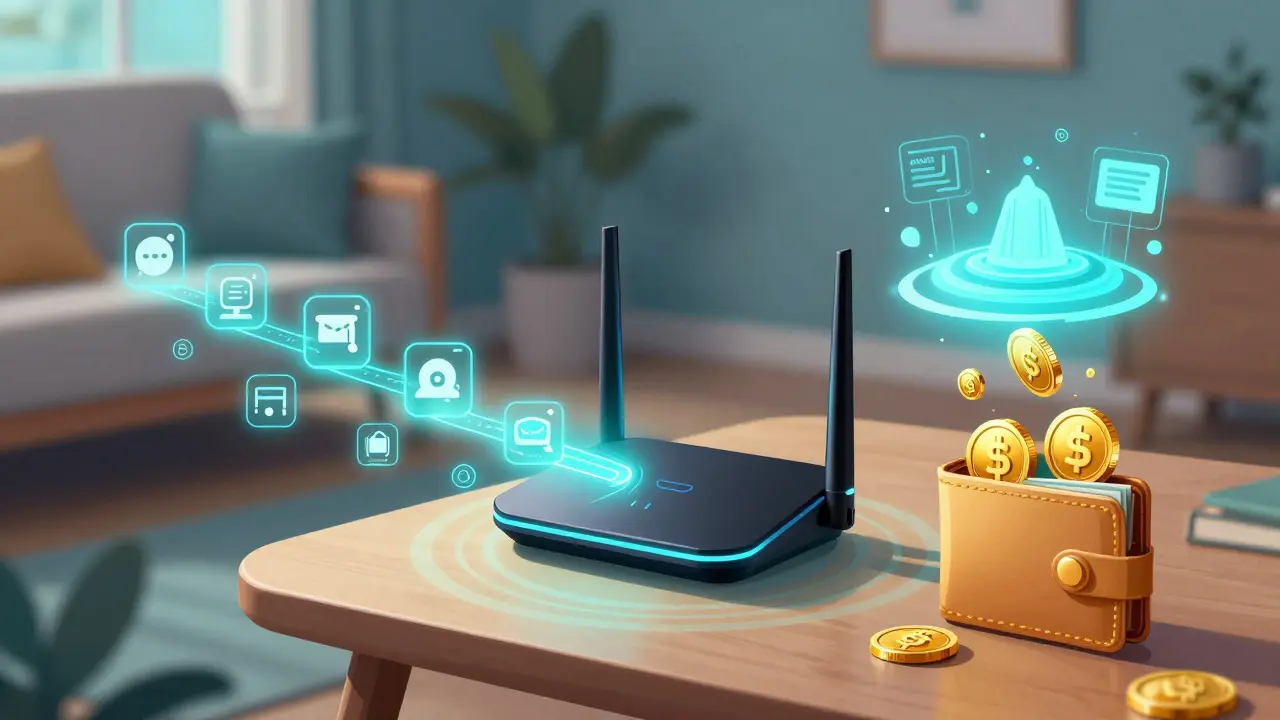
To make this work, they don't just rely on an app. They've introduced a proprietary WiFi router. This device sits in your home and securely captures your internet usage data. Because it's handled at the hardware level, the project claims a more streamlined way to gather and authorize the data you're willing to share without compromising your entire digital life.
How the CIRUS Token Works
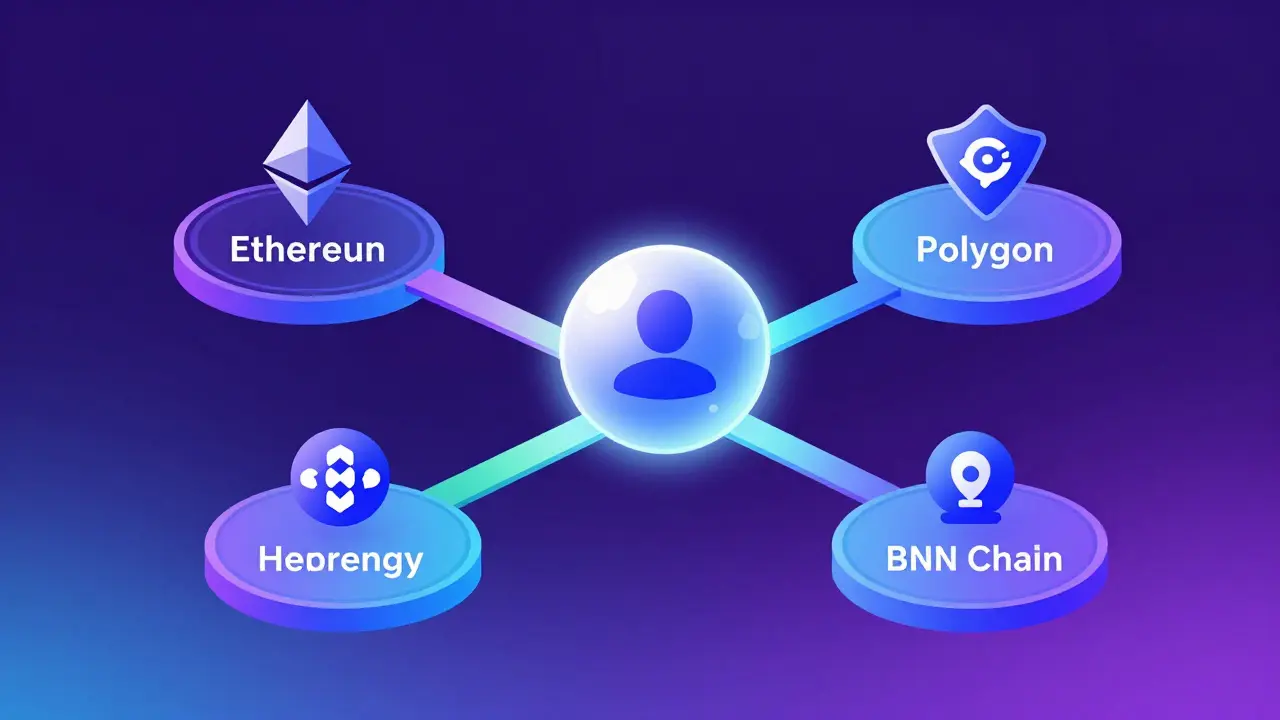
The CIRUS token is the fuel for this entire ecosystem. It's an ERC-20 token, meaning it's built on the Ethereum blockchain, though it also operates on Polygon and the BNB Chain to keep transaction costs low and speeds high.
If you're using the platform, the token serves three main purposes:
- Payment: When a company buys your data via the marketplace, you are paid in CIRUS tokens.
- Utility: You use the tokens to facilitate transactions and interact with the ecosystem's tools.
- Access: Holding and using tokens helps increase your "Cirus Score," which unlocks exclusive apps within their Web3 Labs environment.
Technical Infrastructure and Multi-Chain Strategy
Cirus doesn't put all its eggs in one basket. By utilizing a multi-chain approach, they ensure that users aren't stuck with the high gas fees often found on Ethereum. They use cross-chain bridges to move assets between networks, making the experience feel more like a standard app and less like a technical hurdle.
| Attribute | Detail |
|---|---|
| Total Fixed Supply | 250,000,000 CIRUS |
| Token Standard | ERC-20 |
| Primary Blockchains | Ethereum, Polygon, BNB Chain |
| Hardware Component | Proprietary WiFi Router |
| Core Utility | Data Monetization & Rewards |
The Reality of Market Performance
It's important to look at the numbers with a clear head. Cirus Foundation launched in August 2021 during a massive crypto bull run. It hit an all-time high of $1.10 on September 15, 2021. However, like many projects from that era, it has seen a drastic decline in value.
As of late 2025 and moving into 2026, the token has traded at fractions of a cent. For example, recent data has shown prices fluctuating between $0.00005 and $0.0009. With a market cap that has dipped as low as $13,340 in some reports, the project is currently in a very volatile and low-liquidity phase. This means that while the Cirus Foundation concept is innovative, the financial return for early adopters has been challenging.
Is Mining CIRUS Profitable?
You might wonder if buying the router to "mine" or earn tokens is a good move. Right now, the answer is likely no. Because the token price is so low, the electricity and hardware costs usually outweigh the value of the tokens you earn. For mining to become profitable, one of two things needs to happen: the token price needs to climb significantly, or the demand for the data provided by the routers needs to skyrocket, driving up the reward value.
The Big Picture: Web3 and Data Sovereignty
Beyond the price charts, Cirus is part of a larger movement toward Data Sovereignty. This is the idea that individuals should have the legal and technical power to control their digital identity. By integrating with DeFi (Decentralized Finance) protocols, Cirus allows users to potentially leverage their data assets as collateral or move them into yield-generating pools.
They've also implemented fiat on/off ramps. This is a crucial feature because it allows a regular person to turn their CIRUS earnings into actual cash without needing to be a blockchain expert. This lowers the barrier to entry for people who just want a side hustle and don't care about the underlying cryptography.
What exactly does Cirus Foundation do?
Cirus Foundation creates a decentralized platform and hardware (a WiFi router) that lets users collect their own internet usage data and sell it directly to buyers, earning CIRUS tokens in return.
Is the CIRUS token a good investment right now?
The token has lost significant value since its 2021 peak of $1.10. With a very low current market cap and high volatility, it is considered a high-risk asset. Always do your own research and consider the current liquidity before investing.
How do I earn CIRUS tokens?
The primary way to earn tokens is by using the Cirus proprietary WiFi router to share your authorized data through their marketplace. You are compensated in CIRUS tokens for the data you provide.
Which blockchains support CIRUS?
CIRUS is an ERC-20 token primarily on Ethereum, but it also utilizes the Polygon and BNB Chain networks to provide better scalability and lower fees.
Who founded the Cirus Foundation?
The project was founded in February 2021 by Daniel Bland, Michael Luckhoo, and Samartha Raghava Nagabhushanam, all of whom have backgrounds in corporate leadership and technology.
21 Comments
Absolute joke of a system. You really think puttin a "proprietary" router in your house is safe? That's just a backdor for the globalist cabal to sniff every packet of your data while you chase some worthless ERC-20 scrap. It's the same old centralizashun just with a fancy Web3 paint job to trick the masses. Total surveillance state disguised as an incentive program.
Ownership is a funny concept when the asset is a fraction of a cent. We're just trading one digital master for another.
Let's look at the bright side! 🌟 This is a great teaching moment for anyone new to DeFi about the risks of hardware-dependent tokens. Keep learning and stay curious! 🚀📈
Honestly, the fact that anyone thinks this is a viable investment in 2026 is pathetic. It's a dead project. I've seen better utility in a lemonade stand. Only a fool would buy that router now.
Oh yeah, because nothing says "decentralization" like buying a specific piece of hardware from a central company to get your tokens. Pure genius. 🙄
I actually think the core philosophy is quite sound, even if the market performance hasn't been great so far. If you look at the long-term trajectory of data privacy, the idea of a user-owned marketplace is inevitable, and while this specific token has struggled, the infrastructure for data sovereignty is being built right now. It's all about the pivot and how they handle the low-liquidity phase to attract actual corporate buyers for the data.
This whole thing is just another way for foreign interests to steal our american data and sell it back to us in a funny currency that doesn't even have any real value because its just numbers on a screen and we should be protectin our borders and our data with real steel and not some stupid internet token from people who dont even know how to run a real business in a real country!
The sheer tragedy of a $1.10 peak crashing into a bottomless abyss of fractions of a cent is simply Shakespearean in its cruelty. My soul weeps for the bag-holders who thought they were pioneering the future of data, only to find themselves clutching a plastic router that is now essentially a very expensive paperweight. Absolute devastation.
Please, as if we didn't see this coming. "Proprietary hardware" is just code for "we own your connection." They'll probably just sell your data to the highest bidder and give you pennies in a token that's basically air. I've seen this movie before and the ending always involves a rug pull. Good luck with your magic router, suckers.
Interesting concept. Patience is key here.
Imagine paying for electricity to mine a token that's worth less than the air I'm breathing. Truly a masterpiece of financial planning. 💅
I cant even believe people are falling for this!! Like seriously!! Who buys a router for a coin that's basically zero? Its a total scam and everyone is just pretending its "innovation" while they lose their money lol!!
The multi-chain strategy utilizing Polygon and BNB is a standard approach to mitigate gas fees. From a technical perspective, the cross-chain bridge implementation is necessary for the scalability they're aiming for.
What an absolute disaster of a project. I can't even fathom the level of incompetence required to let a token drop this hard. It's genuinely offensive that this is even being discussed as a "foundation." Pure garbage.
I'm just saying, if you want to lose money, go for it. I'm just here to watch the fire. Anyone else think the router looks like a cheap toy?
I love the energy of trying to reclaim our digital selves! Even if the price is down, the idea that we can fight back against big tech is what matters. We're shifting the paradigm of value from corporations to individuals, and that's a win for humanity in the long run! Let's keep pushing for a more transparent web! 🌈
It would be most beneficial if the community could collaborate on a more efficient way to utilize these tokens. Perhaps by forming a collective to increase the demand for the data marketplace, we could stabilize the value for all participants involved in the ecosystem.
The hardware side is definitely a hurdle, but the concept of data sovereignty is a step in the right direction. It might take a while to find its footing, but I'm hopeful that the model can be refined.
I think its laovly that they want to give power back to the peopel. a bit confusin with the chains and stuff but the heart of it is just nice.
It is profoundly disappointing to see such a lack of discipline in the investment strategies of the common people. You must understand that wealth is not garnered through the purchase of plastic boxes and volatile tokens, but through the rigorous application of moral and financial fortitude. This project is a symptom of a decadent society chasing ghosts.
Please, spare us the "innovation" talk. This is a pathetic attempt to look sophisticated while failing miserably. Only in these Western-centric markets do people believe that a dying token is a "high-risk asset" instead of just a total failure. Absolutely laughable.