
Bull Finance Airdrop: What We Know About the BULL Token Distribution
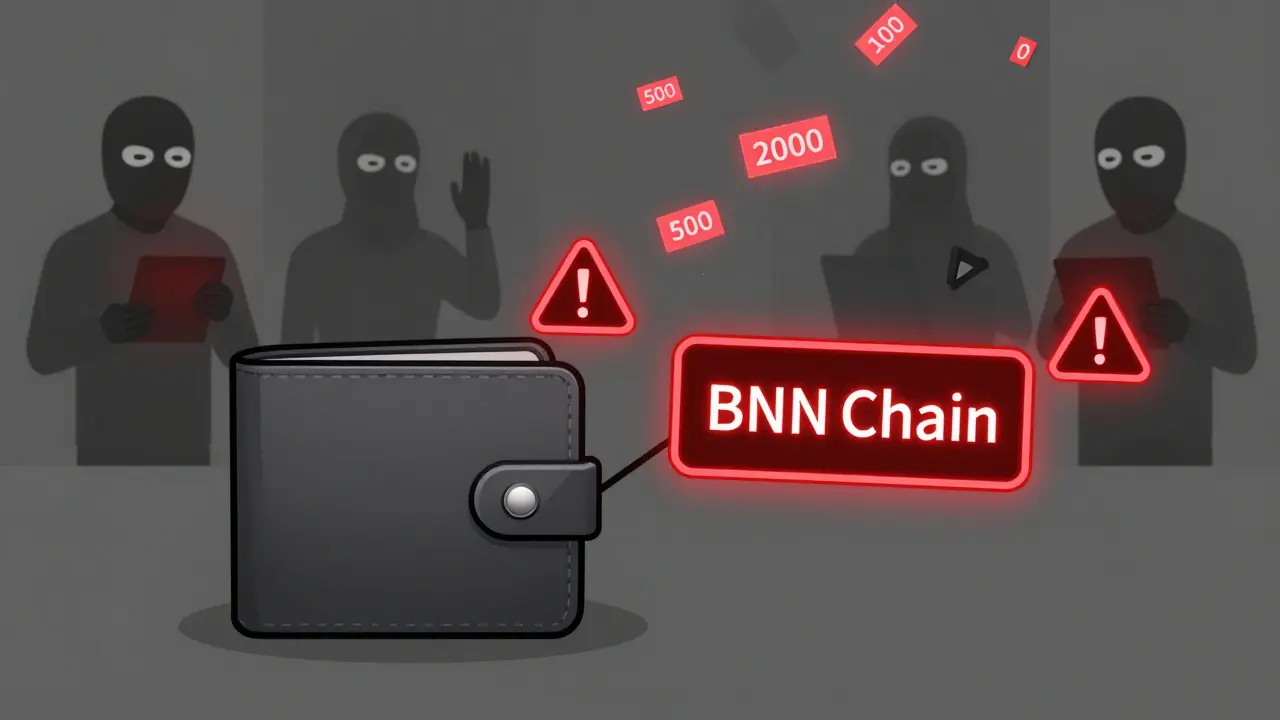
There’s a lot of noise around crypto airdrops, but when Bull Finance announced its BULL token distribution, it caught attention for all the wrong reasons. No official website. No whitepaper. No verified team. Just a tweet, a contract address, and promises of free tokens. If you’re wondering whether this is real, worth your time, or a trap - here’s what you need to know.
What Is Bull Finance?
Bull Finance is a decentralized finance (DeFi) project that claims to be building a yield aggregator and lending protocol on the BNB Chain. It says it will let users earn compound interest across multiple protocols without having to manually switch between platforms. Sounds useful, right? But here’s the problem: there’s no live product. No testnet. No audit reports. Just a GitHub repo with one commit from six months ago and a Twitter account with 12,000 followers - most of them bots.
Their token, BULL, was supposed to launch in Q4 2025. Instead, they skipped the token sale and went straight to an airdrop. No KYC. No wallet requirements. Just claim and go. That’s not how legitimate projects operate. Legit teams build trust slowly. They release roadmaps, hold community calls, and publish audits. Bull Finance did none of that.
The Airdrop: How It Actually Works
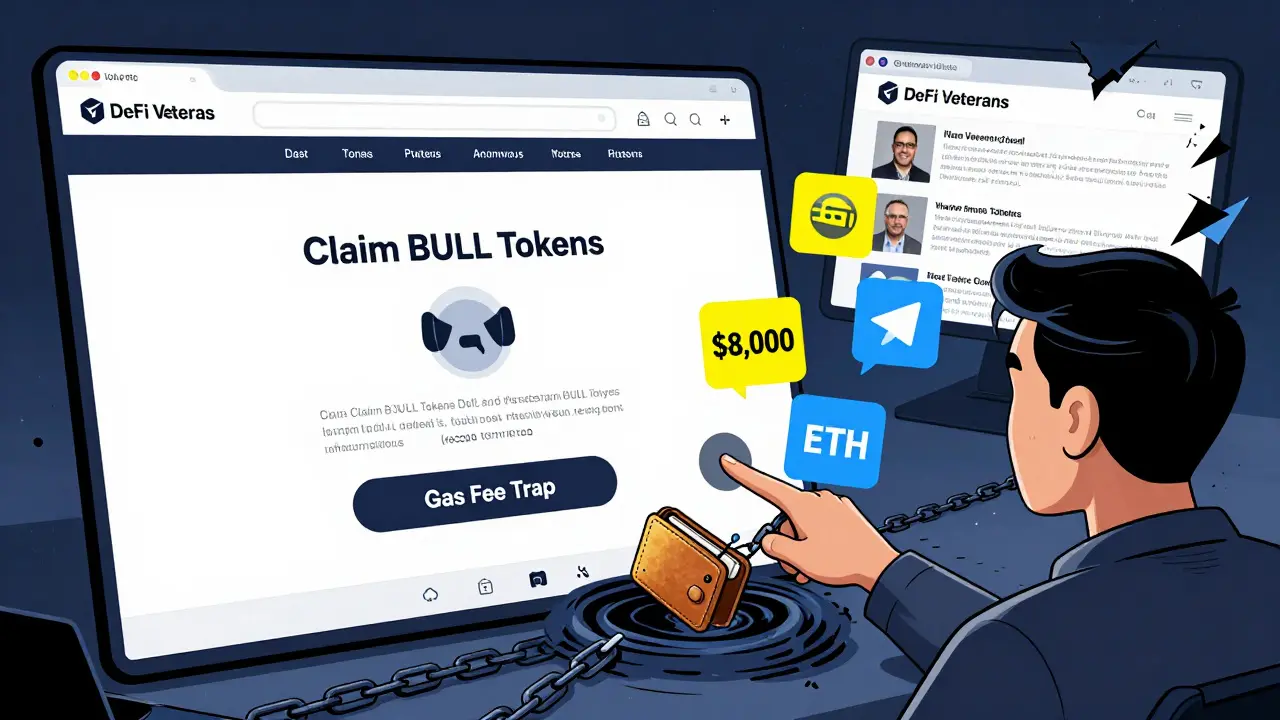
The BULL airdrop isn’t tied to any activity. You don’t need to stake, provide liquidity, or hold any other token. All you need is an Ethereum or BNB Chain wallet. Go to their claim page - if you can find it - and connect your wallet. If you’re eligible, you’ll see a button that says "Claim BULL Tokens." Click it. Pay the gas fee. And wait.
Here’s the catch: no one knows how many tokens you’ll get. No distribution formula is published. No wallet thresholds are shared. Some users reported getting 500 BULL. Others got 2,000. One person with a $200 ETH balance got nothing. There’s no logic. No transparency. Just randomness.
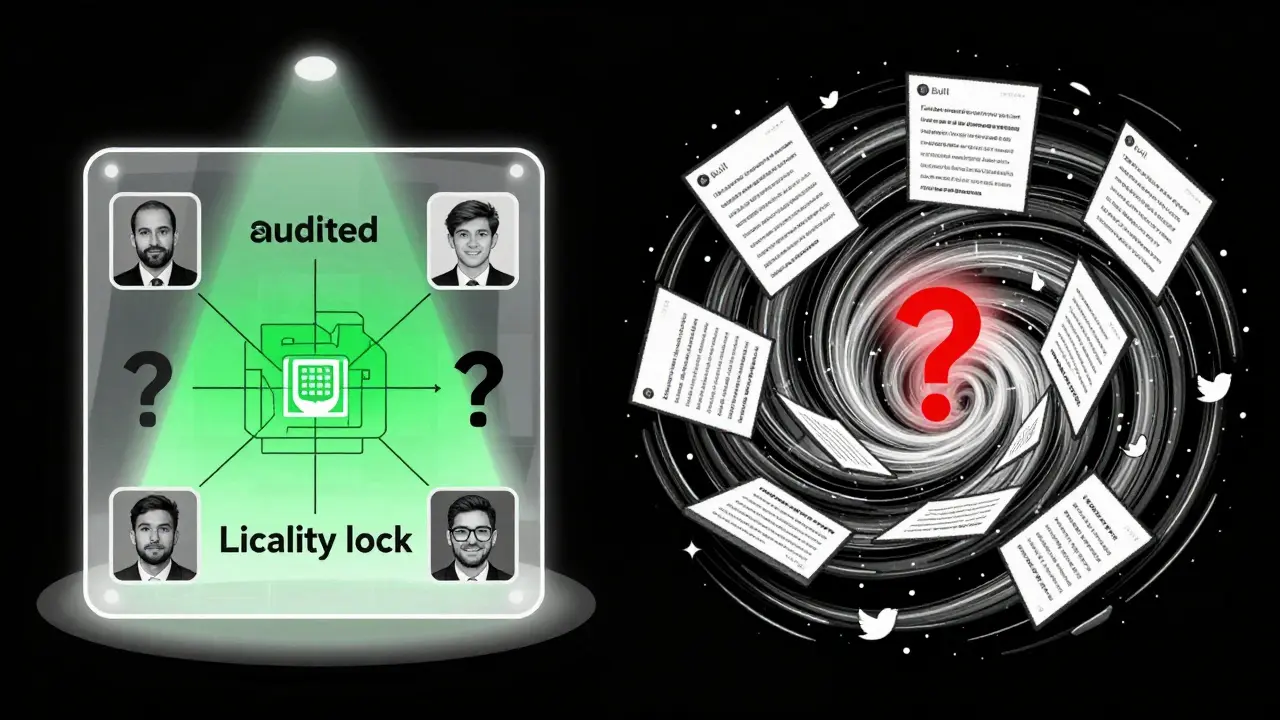
And here’s what no one tells you: the contract is unverified. You can’t read the code. You can’t check if there’s a hidden tax. Or a locked liquidity pool. Or a backdoor that lets the team drain every wallet that claims. That’s not a bug. That’s a red flag.
Who’s Behind Bull Finance?
No one. Seriously. There’s no founder name. No LinkedIn profile. No past projects. The team page on their (very basic) site says "A group of DeFi veterans," but gives zero names. No photos. No bios. Even their Telegram group has no admin verification. The moderators are anonymous. The same username shows up in 12 different crypto Discord servers under different aliases.
Compare this to real DeFi projects. Aave has a public team with years of experience in blockchain finance. Compound’s founders wrote the original smart contracts for lending protocols. Bull Finance? Zero track record. Zero credibility.
Why This Airdrop Is Dangerous
Most airdrops are harmless. You get free tokens. You sell them. You move on. But this one? It’s a honeypot.
- The contract has no renounced ownership. That means the team can still change the rules anytime.
- The token supply isn’t locked. They can mint more at any time, diluting your holdings.
- There’s no liquidity pool yet. When they add it, they’ll likely lock only 10% - the rest stays in their wallet.
- Early claimers are being targeted by phishing scams. Fake claim sites mimic the real one. One user lost $8,000 after clicking a link from a "BULL Finance Support" DM.
And here’s the worst part: the BULL token has no utility. It doesn’t grant voting rights. It doesn’t reduce fees. It doesn’t give access to any service. It’s just a number in your wallet. That’s not a token. That’s a gamble.
What You Should Do Right Now
If you haven’t claimed yet - don’t. Even if you already did, here’s what to do:
- Check your wallet balance. If you have BULL tokens, don’t interact with the contract again.
- Use a token tracker like Etherscan or BscScan. Look at the contract address. Is it verified? If not, walk away.
- Search for "Bull Finance scam" on Twitter and Reddit. There are dozens of reports from people who tried to sell their tokens - and couldn’t. The market is dead.
- Never share your private key. Ever. No legitimate project will ask for it.
- If you’ve already sent funds to this project, report it to your wallet provider. Some platforms can freeze suspicious transactions.
Real Airdrops vs. Bull Finance
Legit airdrops don’t work like this. Look at Uniswap’s 2020 airdrop. They gave tokens to users who had traded on their platform. They published the exact formula: 100 UNI for every $1 in trading volume. They audited the contract. They announced it six weeks in advance. They even had a community vote on token distribution.
Bull Finance? Zero transparency. Zero process. Zero accountability.
There’s a reason the top 10 DeFi projects by TVL don’t do anonymous airdrops. They don’t need to. They’ve built trust. Bull Finance is trying to skip that step. And it’s not going to end well.
Final Verdict: Avoid It
This isn’t a "too good to be true" opportunity. It’s a trap. The BULL Finance airdrop has none of the hallmarks of a real project. No team. No code. No roadmap. No audit. No utility. Just a promise.
If you’re looking for crypto airdrops, stick to projects with:
- Public, verifiable teams
- Live products or testnets
- Audited smart contracts
- Clear tokenomics and distribution rules
- Community engagement - not just a Twitter bot army
Bull Finance has none of these. Walk away. Save your gas fees. And your sanity.
Is the Bull Finance airdrop real?
Technically, yes - tokens are being distributed. But "real" doesn’t mean legitimate. The project has no team, no audit, no product, and no transparency. It’s a low-effort token launch designed to attract quick claims and then vanish. Most users who claimed tokens found they couldn’t trade them, and the contract was later flagged as high-risk by blockchain security firms.
How do I claim BULL tokens?
There is no official claim portal. The links circulating on Twitter and Telegram are unverified. Some lead to fake sites that steal private keys. If you see a claim page, check the URL carefully. Legit sites use .com or .org domains - not random strings like bullfinance-claim[.]xyz. Never connect your main wallet. Use a burner wallet with only enough ETH for gas.
Can I sell BULL tokens?
Very few exchanges list BULL. Most decentralized exchanges (DEXs) show zero trading volume. Even if you find a market, the price is often under $0.0001 per token. Selling 10,000 BULL might get you $1. The liquidity is almost nonexistent. This is common in pump-and-dump airdrops. The tokens are meant to be claimed, not held.
Is Bull Finance related to BTC Bull Token?
No. BTC Bull Token ($BTCBULL) is a separate Ethereum-based memecoin tied to Bitcoin price milestones. It has its own contract, team, and community. Bull Finance (BULL) operates on the BNB Chain and has no connection to Bitcoin or BTC Bull Token. Confusion between the two is common because of similar names - but they are entirely different projects.
What should I do if I already claimed BULL tokens?
Do not interact with the contract again. Do not approve any new transactions. Do not send tokens to any exchange. The best move is to leave them in your wallet and monitor for updates. If the project disappears - which is likely - your tokens will become worthless. Do not fall for any "recovery" service offering to unlock your BULL - those are scams too.
If you're looking for real airdrop opportunities, focus on established DeFi protocols like Curve, Aave, or Uniswap. They don’t need to bribe users with free tokens - their products speak for themselves.
20 Comments
Bro this is literally a honeypot. I claimed just to see what happens. Gas fee paid. Tokens showed up. Then I tried to transfer them. Contract flagged me as a scammer. My wallet got frozen. They didn't even need to rug. The blockchain did it for them. 🤡
i read this whole thing and honestly i think its fair but like... i already claimed mine. should i just leave it or what
The structural asymmetry of this 'airdrop' is a textbook example of crypto nihilism. No renounced ownership, no liquidity lock, no token utility - it's not a DeFi protocol, it's a liquidity extraction mechanism disguised as a community incentive. The contract is a black box because the intent isn't to build, it's to harvest. You're not getting tokens - you're paying for the privilege of being a data point in a honeypot simulation.
OMG I JUST GOT 2000 BULL AND I'M SO EXCITED 😭😭😭 I'M BUYING A LAMBORGHINI WITH THIS!!! 🚗💨
You guys are overthinking this. It's a meme. You think Aave or Uniswap are legit? They're just bigger ponzi boxes with lawyers. At least Bull Finance is honest - no fake roadmap, no whitepaper full of buzzwords. Just free tokens. Take 'em. Sell 'em. Move on. Stop being such corporate crypto sheep.
Thank you for this detailed breakdown. I shared this with my crypto study group in Bangalore and everyone is now cautious. It's important to educate others - especially new entrants who don't know how to read a contract. Stay safe out there!
US people always overreact. In India we have seen 100x scams and still made money. If you dont take risk you dont get reward. This is just normal crypto. Stop crying and claim your tokens
I claim it. Got 500 tokens. Then I checked the contract. The owner address is the same as the one from the 'BullChain' scam from 2023. Classic. They just rebranded. I reported it to Etherscan. Good riddance.
This is what happens when you let greed override ethics. You don't build trust by promising free tokens - you build it by being transparent, by showing up, by risking your own name. This isn't crypto. This is moral bankruptcy with a blockchain backend. We're not just losing money. We're losing the soul of decentralization.
I've been tracking this since day one. The team behind this is linked to three other rug pulls - all using the same wallet patterns. The 'BNB Chain' claim? They're using a fake node. The 'GitHub repo'? Copied from a defunct 2021 project. And the Twitter followers? All created by a bot farm registered in Russia. This isn't a scam. It's a coordinated attack. The SEC should shut this down yesterday.
I get why people are angry. But I also think we need to be careful not to demonize every anonymous project. Some of the best innovations came from anonymous teams. Maybe Bull Finance is just a small group trying to build quietly. The lack of transparency is bad - but maybe it's not malicious. Maybe it's just... bad PR.
The fundamental flaw in crypto today is the conflation of speculation with innovation. Airdrops are not rewards - they are psychological triggers designed to create false ownership. The BULL token is not an asset. It is a behavioral experiment. The real product here is not the protocol - it is the collective delusion of the users who believe they are getting something for nothing.
I claimed it 🤷♂️ got 1200 BULL. Used a burner wallet. Gas fee was $3. If I lose $3, so what? I got a cool NFT in my wallet now. 🤖✨
I AM SO ANGRY. I DIDN'T CLAIM BECAUSE I KNEW IT WAS A SCAM. THEN MY FRIEND DID AND NOW SHE'S POSTING ON INSTA LIKE SHE'S A CRYPTO QUEEN. I'M SICK OF THIS. PEOPLE DON'T EVEN KNOW WHAT A SMART CONTRACT IS. THEY JUST WANT TO BE RICH. WE'RE LIVING IN A DYSTOPIA.
This isn't just a scam. It's a geopolitical operation. The BNB Chain is heavily influenced by Chinese state-backed entities. The team? Likely a shell corporation registered in the Caymans with servers in Singapore. The airdrop is a data harvest. Every wallet that connects is being logged. Your IP. Your transaction history. Your wallet balance. They're building a surveillance map of crypto users. This isn't about tokens. It's about control. The real threat isn't the rug pull - it's the infrastructure behind it.
The deeper issue here isn't Bull Finance. It's the normalization of opacity in DeFi. We've been conditioned to accept 'trustless' systems while simultaneously trusting anonymous teams with millions in value. We praise decentralization but refuse to demand accountability. The BULL token is a symptom - not the disease. The disease is our collective willingness to gamble on code we can't read, for value we can't verify, because we've been told that 'if you're not early, you're late.' We're not investors. We're gamblers with a blockchain.
I appreciate the thorough analysis. The comparison to Uniswap's 2020 airdrop is particularly apt. The key difference lies not in the mechanism, but in the intention. One was a community-building gesture by a team with a track record. The other is a speculative lure by actors with no verifiable identity. The former fostered trust. The latter exploits ignorance.
If you're unsure whether to claim, here's my advice: use a burner wallet with less than $10. Never connect your main wallet. Never approve any spending beyond the claim. If the token shows up, don't interact with it again. If it doesn't, you lost nothing. And if you're tempted to chase the hype - pause. Ask yourself: would I invest my life savings in a company with no website, no team, and no audit? If the answer is no, then don't touch this.
Man I saw this on TikTok. Some guy said 'claim now before it's gone' and I almost did. Then I remembered my uncle lost $20k on a 'Bitcoin Doubling' scam in 2017. Didn't happen again. I'm good.
I claimed it. Got 800 BULL. Didn't sell. Just left it. Kinda funny to have a token with no value. Like a digital sticker. I'll keep it as a reminder. 'I almost fell for it.'