
BTCC Crypto Exchange Review: Security, Fees, and Features for 2026
Imagine starting a business in 2011. In the tech world, that’s practically ancient history. Now imagine surviving every market crash, hack attempt, and regulatory crackdown since then without losing a single dime of user funds. That is the story of BTCC, a cryptocurrency exchange founded in 2011 by Bobby Lee that has maintained a zero-hack security record for over a decade. While newer platforms chase hype with flashy marketing, BTCC has quietly built a reputation on one thing: staying open and keeping your money safe.
If you are looking at crypto exchanges today, you probably see dozens of options. Some offer lower fees, some have more coins, and some promise the moon. But when it comes to longevity and trust, few can match a platform that has been operating since before Bitcoin was even widely known. This review breaks down whether BTCC is still worth your attention in 2026, especially if you care about security, leverage, or just want a reliable place to trade.
Why BTCC Stands Out in a Crowded Market
The biggest selling point of BTCC isn’t its app design or its latest token listing. It’s its track record. Since launching as "Bitcoin China" in 2011, the platform has never suffered a successful hack. In an industry where billions have been stolen from exchanges like Mt. Gox, FTX, and others, a clean slate for 15 years is rare.
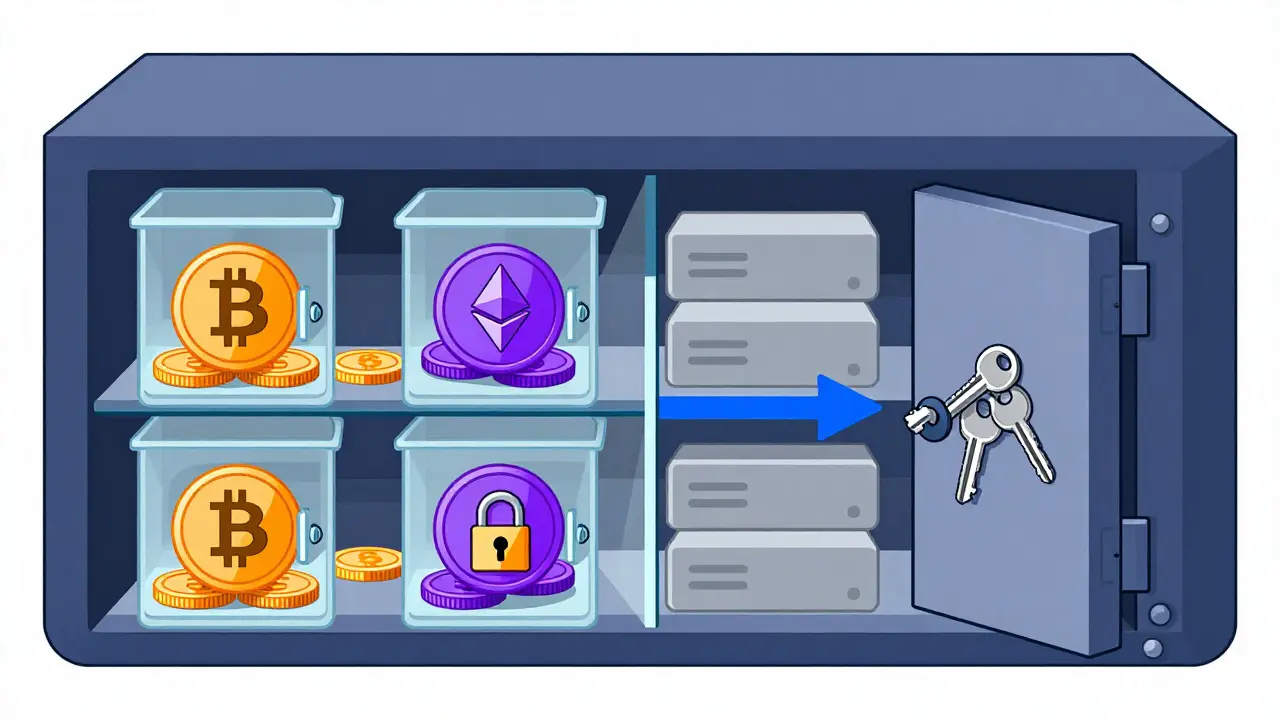
This security-first approach isn’t just luck. BTCC uses institutional-grade measures that most retail-focused exchanges skip. They store user assets in multi-signature cold wallets, meaning hackers would need multiple keys held in different locations to steal funds. More importantly, they segregate user assets from operational funds. When other exchanges lend out user deposits to make profit (a practice that doomed FTX), BTCC keeps a 1:1 reserve ratio. Your Bitcoin stays yours. It doesn’t get loaned out to hedge funds.
In September 2025, BTCC published a Proof of Reserves report showing a total reserve ratio of 143%. For specific assets, the numbers were even stronger: Bitcoin at 111%, Ethereum at 152%, and Tether at 156%. This transparency matters because it proves the exchange actually holds the assets it claims to back. You don’t have to trust their word; you can see the math.
Trading Options: From Spot to High-Leverage Futures
BTCC supports over 360 cryptocurrencies, which puts it in the comprehensive tier alongside giants like Binance. However, its real strength lies in derivatives trading. If you are interested in futures, BTCC offers perpetual contracts on more than 100 major assets, including Bitcoin, Ethereum, Solana, and Ripple.
Here is where things get interesting for experienced traders: leverage. BTCC allows leverage up to 500x on certain futures pairs. To put that in perspective, Coinbase typically caps leverage at 20x, and Kraken at 40x. Even aggressive competitors like MEXC usually top out around 400x. This high leverage attracts professional traders who want to amplify small price movements. But be careful-500x leverage is a double-edged sword. A tiny move against you can liquidate your position instantly. It’s not for beginners.
For those who prefer simpler trading, BTCC also offers spot trading with over 350 pairs. The interface is designed to be accessible, but it doesn’t sacrifice depth. You get standard order types, charting tools, and a clean layout that works well on both desktop and mobile devices. The platform processes massive volumes, with data from late 2025 showing $41 billion in spot trading and $315 billion in futures trading in just two weeks. That level of activity ensures decent liquidity on major pairs, meaning you can enter and exit trades without significant slippage.
| Feature | BTCC | Binance | Coinbase | Kraken |
|---|---|---|---|---|
| Founded | 2011 | 2017 | 2012 | 2011 |
| Max Leverage | 500x | 125x | 20x | 40x |
| Spot Pairs | 350+ | 600+ | 200+ | 200+ |
| Regulatory Licenses | CAN, USA, EU | Varies by region | USA | USA, EU |
| Security Record | Zero hacks | Minor incidents | Zero major hacks | Zero major hacks |
Fees and Costs: What You Actually Pay
Let’s talk money. No one likes hidden fees, and crypto trading can get expensive fast if you aren’t paying attention. BTCC’s fee structure is competitive and straightforward. For spot trading, makers pay 0.2% and takers pay 0.3%. These rates are standard for mid-tier exchanges and slightly higher than some aggressive new platforms, but they reflect the stability and security you’re buying into.
For futures trading, fees are generally lower to encourage volume. The exact rates depend on your trading volume and VIP level, but they remain transparent. There are no surprise withdrawal fees buried in fine print. One major advantage for Canadian users is direct fiat support. You can deposit CAD using Visa or Mastercard, avoiding the costly USD conversion step that many international exchanges force you to take. This saves you time and money, especially if you trade frequently.
There is no minimum deposit requirement, which makes BTCC accessible to everyone from casual investors to whale traders. Whether you want to buy $10 worth of Bitcoin or $10 million, the door is open.
Regulation and Trust: Playing by the Rules
In crypto, regulation used to be a dirty word. Today, it’s a badge of honor. BTCC holds active licenses in three major jurisdictions: Canada (FINTRAC), the United States (FinCEN), and Europe. This tri-continental compliance is unusual. Many exchanges operate in gray areas or restrict access to certain countries entirely. BTCC’s approach means they undergo regular audits and follow strict anti-money laundering (AML) protocols.
This regulatory focus appeals to institutional investors who need certainty. If you are a fund manager or a serious trader, knowing your exchange won’t suddenly shut down due to legal issues is valuable. It also means KYC (Know Your Customer) verification is required. You’ll need to provide ID documents to verify your identity. While this adds a step to onboarding, it protects the ecosystem from fraud and ensures your account is secure.
User Experience and Mobile Access
You don’t need to be a coding wizard to use BTCC. The platform is designed for humans, not robots. The dashboard is clean, with clear navigation between spot and futures markets. Beginners can start with simple buy/sell orders, while advanced users can set up complex stop-losses and limit orders.
One feature that stands out is copy trading. If you are new to crypto or just don’t have time to watch charts all day, you can follow successful traders and automatically replicate their moves. It’s a great way to learn while potentially earning returns. Of course, past performance doesn’t guarantee future results, so choose your mentors wisely.
The mobile app is available on Google Play and iOS, offering full functionality on the go. You can check prices, manage positions, and withdraw funds from your phone. The interface is responsive and doesn’t feel like a scaled-down version of the desktop site. It’s built for real-world usage.

Who Should Use BTCC?
BTCC isn’t for everyone. If you are looking for the absolute lowest fees and don’t care about security history, you might find cheaper options. If you only want to buy and hold Bitcoin long-term, a simple wallet might suffice. But BTCC shines for specific types of traders:
- Risk-Averse Investors: If your top priority is safety and proven reliability, BTCC’s 15-year clean record is hard to beat.
- Futures Traders: Those who want high leverage (up to 500x) and deep liquidity in derivatives will find BTCC superior to mainstream exchanges.
- Canadian Users: Direct CAD deposits and FINTRAC licensing make BTCC a convenient and compliant choice for residents of Canada.
- Institutional Players: Regulated entities needing audit trails and segregated assets benefit from BTCC’s corporate-grade infrastructure.
Potential Drawbacks to Consider
No platform is perfect. BTCC’s smaller size compared to Binance means some obscure altcoins might have lower liquidity. If you love trading niche meme tokens, you might find better depth elsewhere. Also, the high leverage options, while powerful, require discipline. New traders should start with low leverage to avoid quick liquidations.
Customer support quality varies by region, though the platform’s longevity suggests established service channels. Always test withdrawals with small amounts first to ensure everything works smoothly for your specific location.
Is BTCC safe for beginners?
Yes, BTCC is very safe due to its 15-year hack-free record and regulated status. However, beginners should avoid high-leverage futures trading until they understand the risks. Start with spot trading or copy trading to build confidence.
What is the maximum leverage on BTCC?
BTCC offers up to 500x leverage on certain futures contracts. This is significantly higher than most major exchanges like Coinbase (20x) or Kraken (40x), making it attractive for experienced derivatives traders.
Does BTCC charge high fees?
BTCC charges 0.2% for makers and 0.3% for takers on spot trades. These are competitive rates in the industry. Futures fees are often lower depending on your volume tier. There are no hidden costs, and Canadian users save on currency conversion fees.
Can I use BTCC in the United States?
Yes, BTCC is registered with FinCEN in the US, allowing American users to trade legally. However, always check current state-level regulations as crypto laws can vary across different states.
How does BTCC prove it has my money?
BTCC publishes regular Proof of Reserves reports. As of late 2025, they showed a 143% total reserve ratio, meaning they hold more assets than they owe to users. This includes specific ratios for Bitcoin, Ethereum, and stablecoins, ensuring full backing.