
BSCswap Review: Is the Exchange Dead? Risks, Zero Supply & Better Alternatives
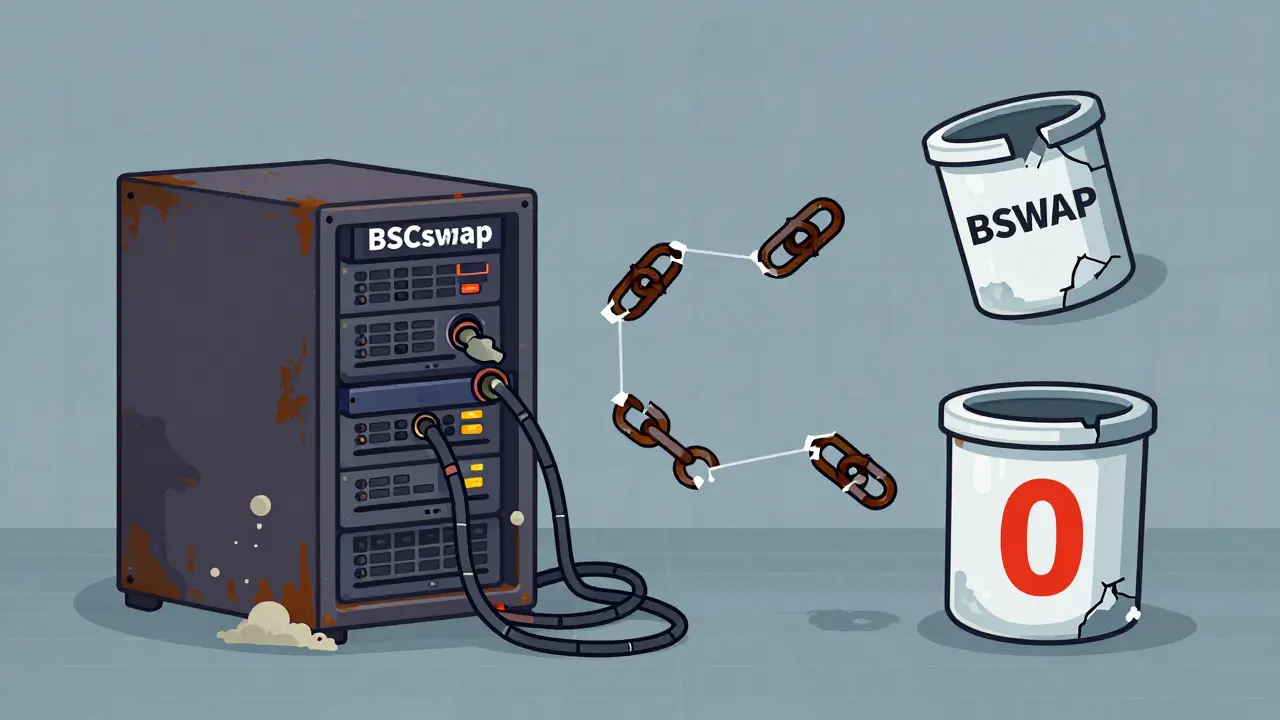
You connect your wallet, expecting to swap tokens on a decentralized exchange. You pick BSCswap, a platform that launched back in 2020 with promises of fast trades on the Binance Smart Chain network. But when you look at the data today, something feels off. There is no trading volume. The circulating supply of its native token is zero. And the community is silent.
If you are looking for a safe place to trade BEP20 tokens in 2026, BSCswap is not it. This review breaks down why this once-promising project has faded into obscurity and where you should put your attention instead. We will look at the tokenomics, the security risks, and the real alternatives that actually work.
The Quick Reality Check: What Happened to BSCswap?
BSCswap was one of the early players in the Binance Smart Chain (BSC) ecosystem. It launched on October 16, 2020, during the first wave of interest in cheaper, faster alternatives to Ethereum. The development team, based in South Korea, built an Automated Market Maker (AMM) designed for seamless BEP20 token trading.
In theory, the setup was solid. It offered governance through its native token, BSWAP, and promised lower fees than Ethereum-based competitors. However, theory does not pay the bills in DeFi. Today, BSCswap appears to be inactive. The most glaring red flag? The current circulating supply of the BSWAP token is zero.
When a governance token has zero circulating supply, it means there is no market for it. You cannot buy it, you cannot sell it, and you likely cannot use it for voting or staking rewards as originally intended. This suggests either a catastrophic failure in token distribution, a halt in development, or a complete abandonment of the project.
Tokenomics and Supply Analysis
To understand why BSCswap failed to gain traction, we need to look at its token structure. The BSWAP token was designed with a maximum supply cap of just 100,000 tokens. In the world of DeFi, this is an incredibly low number. Most successful exchanges issue millions or billions of tokens to ensure liquidity and broad distribution.
| Attribute | BSCswap (BSWAP) | Typical Successful DEX |
|---|---|---|
| Max Supply | 100,000 | Millions to Billions |
| Circulating Supply | 0 | Highly Liquid |
| Network | Binance Smart Chain | Multichain / L2 |
| Trading Data | Non-existent | Real-time feeds |
A max supply of 100,000 creates a scarcity model that can lead to extreme price volatility if demand ever existed. But without circulation, scarcity is meaningless. The smart contract address for BSWAP exists on the BSC blockchain, but it sits idle. For a user trying to participate in governance, this is a dead end. You cannot govern a protocol if you cannot hold its token.
Security and Trust Indicators
In decentralized finance, trust is not given; it is earned through transparency and activity. BSCswap fails almost every metric used to assess platform safety in 2026.
- No Audit Visibility: While many early DeFi projects claimed audits, there is no recent, publicly verifiable audit report for BSCswap’s core contracts available from reputable firms like CertiK or Hacken.
- Zero Community Engagement: Active DeFi projects have bustling Discord servers and Telegram groups. BSCswap’s social channels are quiet or non-existent. When users have questions about missing funds or bugs, there is no support team responding.
- Lack of Expert Coverage: Major crypto analysis platforms like BeInCrypto note they "lack accurate trading data" for BSWAP. If analysts cannot track the price, you should not trade on the platform.
The absence of negative news is not a good sign here. It is a sign of irrelevance. A platform that is actively scamming users would generate warnings. A platform that is simply dead generates silence. BSCswap is in the latter category.
Why BSCswap Lost to Competitors
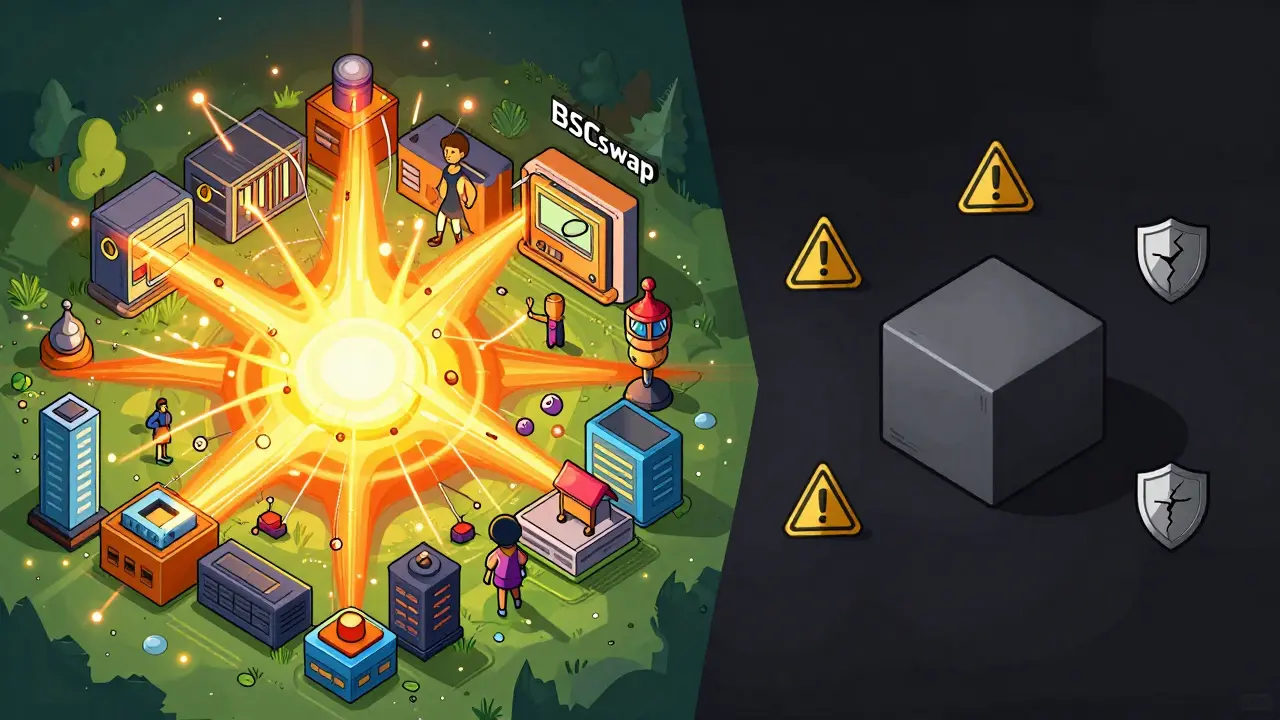
BSCswap launched in October 2020, right alongside other giants like PancakeSwap. Why did one survive and thrive while the other vanished? It comes down to three factors: liquidity, incentives, and brand trust.
PancakeSwap quickly became the default exchange for BSC because it attracted massive liquidity. Liquidity attracts traders, which attracts more liquidity-a virtuous cycle. BSCswap struggled to find initial liquidity pools. Without deep pools, traders face high slippage, meaning they get a worse price for their swaps. Who wants to pay more to trade less?
Secondly, incentive structures matter. Successful DEXes reward liquidity providers with yield farming opportunities. BSCswap’s tokenomics were too restrictive to offer competitive yields. With only 100,000 tokens total, the team could not distribute enough rewards to attract serious capital.
Finally, brand trust. The South Korean development team behind BSCswap remained anonymous or low-profile. In contrast, competitors invested heavily in marketing, partnerships, and community building. In the crowded BSC ecosystem, visibility is survival. BSCswap became invisible.
Better Alternatives for BSC Trading
If you want to trade on Binance Smart Chain, you have excellent, active options. Do not risk your assets on a dormant platform. Here are the top alternatives that offer security, liquidity, and active development.
1. PancakeSwap
The undisputed leader of BSC DeFi. PancakeSwap offers deep liquidity for hundreds of token pairs, including stablecoins, major altcoins, and new meme coins. It features a robust lottery system, NFT marketplace, and yield farms. The CAKE token has a healthy circulating supply and is widely accepted across the BSC ecosystem.
2. Biswap
Biswap positions itself as a low-fee alternative to PancakeSwap. It charges a 0.1% trading fee compared to PancakeSwap’s 0.25%. For high-volume traders, this difference adds up. Biswap also offers weekly trading competitions and airdrops, keeping its community engaged.
3. ApeSwap
ApeSwap brings cross-chain capabilities to the table. It allows you to bridge assets between BSC, Polygon, Arbitrum, and other networks seamlessly. If you are moving assets around multiple chains, ApeSwap’s Banana Protocol makes it easier to manage liquidity across ecosystems.
| Exchange | Trading Fee | Native Token | Key Feature |
|---|---|---|---|
| PancakeSwap | 0.25% | CAKE | Highest Liquidity |
| Biswap | 0.1% | BSW | Lowest Fees |
| ApeSwap | 0.17% | BANANA | Cross-Chain Bridge |
Risks of Using Dormant DeFi Platforms
Why shouldn’t you try to "rescue" BSCswap by buying any remaining dust tokens or connecting your wallet out of curiosity? Because dormant code is dangerous code.
Smart contracts do not update themselves. Vulnerabilities discovered in 2021 or 2022 may still exist in BSCswap’s unpatched code. If a hacker finds a bug in an inactive protocol, there is no developer team to deploy a fix or pause the contracts. Your funds could be drained instantly with no recourse.
Additionally, interacting with abandoned contracts can expose your wallet metadata to trackers. While this doesn’t directly steal funds, it compromises your privacy. Stick to platforms with active maintainers who monitor for exploits and push security updates regularly.
How to Verify Exchange Activity Before Trading
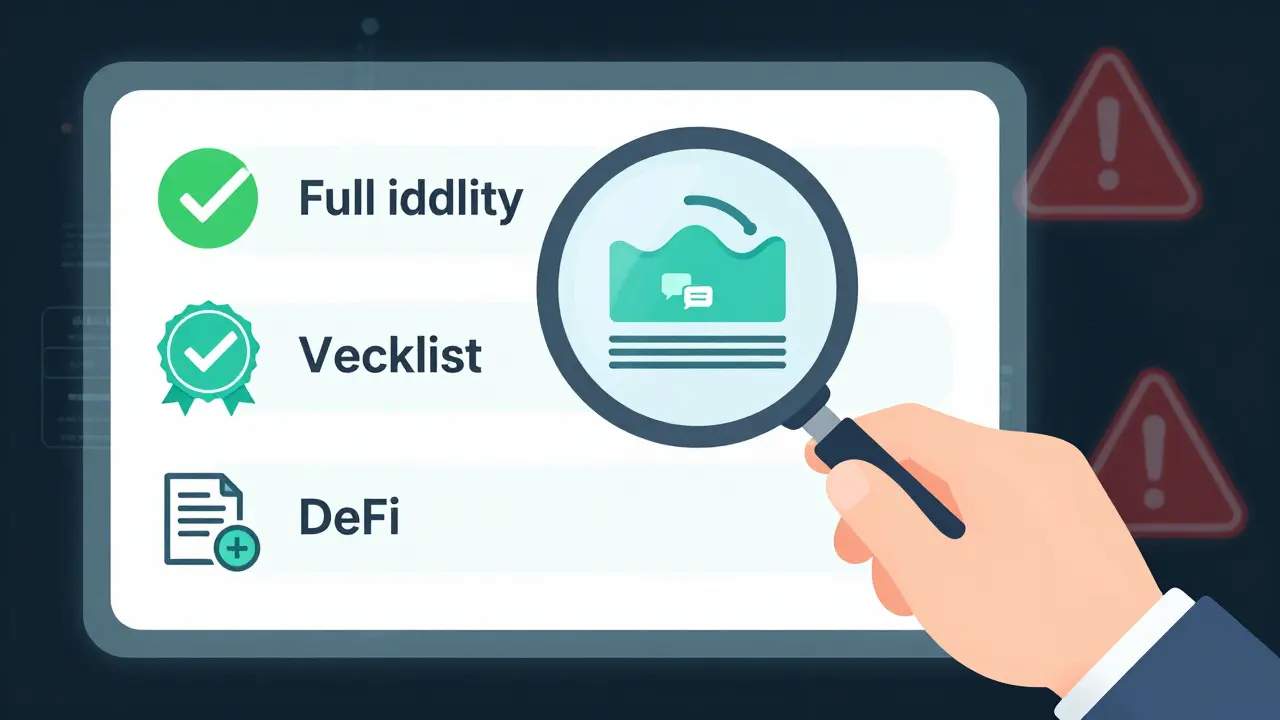
Before using any decentralized exchange, run this quick checklist. It takes two minutes and could save you thousands.
- Check Circulating Supply: Look up the token on CoinMarketCap or CoinGecko. If the supply is zero or near-zero, walk away.
- Verify Social Channels: Visit their Twitter and Discord. Are there posts from the last month? Are developers answering questions? Silence is a red flag.
- Look for Recent Audits: Search for recent audit reports from trusted firms. Old audits from 2020 do not count for current security.
- Test with Small Amounts: Never deposit your entire portfolio into a new or obscure DEX. Start with $10 to test the withdrawal process.
- Review Liquidity Depth: Use tools like DexScreener to see how much liquidity is in the pool. Low liquidity means high slippage and potential rug pull risks.
Is BSCswap still operational in 2026?
No, BSCswap appears to be inactive. The circulating supply of its BSWAP token is zero, and there is no visible trading volume or development activity. It is considered a dormant project.
Can I buy BSWAP tokens?
You cannot buy BSWAP tokens on legitimate exchanges because there is no circulating supply. Any website claiming to sell BSWAP is likely a scam. Do not attempt to purchase these tokens.
What is the safest DEX on Binance Smart Chain?
PancakeSwap is currently the safest and most liquid DEX on BSC. It has undergone multiple audits, has a large community, and handles billions in daily volume. Biswap and ApeSwap are also reputable alternatives.
Why did BSCswap fail?
BSCswap failed due to poor tokenomics (low supply cap), lack of liquidity, and inability to compete with established players like PancakeSwap. Without user adoption and developer activity, the project stagnated.
Is it safe to connect my wallet to BSCswap?
It is not recommended. Connecting to inactive smart contracts poses security risks, including potential exploitation of unpatched vulnerabilities. Use active, audited platforms instead.