
BINO Airdrop by Binopoly: Details, Eligibility, and How to Claim
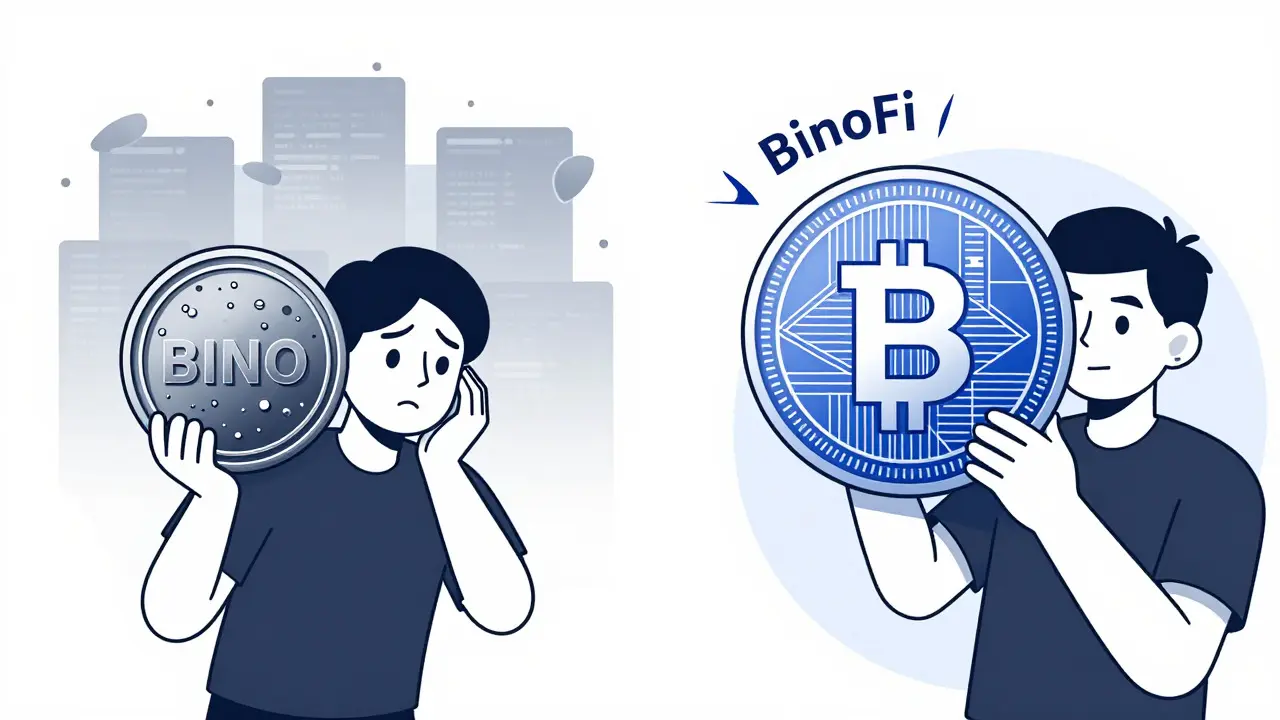
You have likely seen the ticker BINO pop up on your screen, but are you actually looking at the right project? In the fast-moving world of cryptocurrency, confusion is common. Specifically, there is significant overlap between two different entities using similar names: Binopoly (often associated with the ticker BINO) and BinoFi. This distinction matters immensely if you want to participate in an airdrop without wasting time or losing funds.
As of mid-2026, information regarding a specific, standalone "Binopoly Airdrop" is fragmented. Unlike major Layer 1 launches such as Initia or Nillion, which distributed tens of millions of dollars in tokens through clearly defined snapshots, Binopoly’s distribution strategy relies heavily on exchange-based promotions rather than a broad public snapshot. If you are holding out for a free drop of BINO tokens, understanding where these tokens actually come from-and how to secure them-is critical.
Understanding the BINO Token Landscape
Before chasing an airdrop, you need to know exactly what asset you are targeting. The ticker symbol BINO has been used by multiple projects, creating noise in the market. The primary entity often referred to as Binopoly operates in a space with limited centralized exchange visibility. Most trading activity for this specific token occurs via decentralized exchanges (DEXs) or through Web3 wallet integrations on platforms like Binance, rather than direct order books on major centralized exchanges.
This lack of widespread centralized listing impacts liquidity and price discovery. Market data feeds for BINO often show placeholder values or inactive status on major aggregators, suggesting low trading volume or technical disconnects in data reporting. For an airdrop participant, this means that even if you receive tokens, off-ramping them for fiat currency might require bridging to a DEX first. Always verify the contract address before interacting with any token. The truncated contract address often cited for Binopoly begins with 0xa2df..., but you must cross-reference this with official community channels to avoid scams.
How to Qualify for BINO Rewards
If you cannot find a dedicated "Claim Airdrop" button on a mainnet dashboard, it is because Binopoly’s distribution model is tied to partner exchanges. Currently, Bitget is the most prominent platform mentioning free Binopoly distributions. However, these are not automatic drops sent to your email. They are rewards earned through active participation.
To qualify for these potential BINO rewards, you typically need to engage in the following activities:
- Participate in Trading Challenges: Bitget frequently hosts promotional campaigns where users earn points based on trading volume. These points can sometimes be converted into specific tokens or used to enter draws for airdrops.
- Complete Onboarding Tasks: New user incentives often include small token allocations. Ensure your account is fully verified (KYC) to meet eligibility criteria.
- Engage with Ecosystem Promotions: Look for banners labeled "Airdrop" or "Rewards" within the Bitget app. These sections detail ongoing opportunities to earn free assets, including BINO.
Unlike the massive $54 million distribution by Nillion Network, which rewarded developers and early testers, Binopoly’s approach appears more retail-focused and transaction-dependent. You are essentially trading your activity for potential token exposure.
Binopoly vs. BinoFi: Avoiding the Ticker Trap
A major pitfall for new investors is confusing Binopoly with BinoFi. Both use the ticker BINO, but they are fundamentally different projects with different technologies and roadmaps.
| Feature | Binopoly (BINO) | BinoFi (BINO) |
|---|---|---|
| Primary Model | Token listed on various exchanges, limited CEX presence | Hybrid exchange combining CEX liquidity with DEX transparency |
| Technology | Standard ERC-20 style token mechanics | Cross-chain trading, Multi-Party Computation (MPC) wallets |
| Pricing Phase | Market-determined, often showing low/inactive volume | Presale phase reported at $0.02, target listing $0.30 |
| Airdrop Strategy | Exchange-based challenges (e.g., Bitget) | Presale allocation and future ecosystem rewards |
| Market Presence | Limited data, absent from major upcoming airdrop lists | Active marketing, analyst predictions of high growth |
BinoFi has been more vocal about its presale structure and technological innovations, such as MPC security. If you see hype about a "15x gain" prediction or a presale price of $0.02, you are likely reading about BinoFi, not the original Binopoly token. Misidentifying the project could lead you to buy into a presale when you were hoping for a free airdrop, or vice versa.

Current Market Status and Price Outlook
The market data for Binopoly (BINO) presents a confusing picture. As of August 2026, many data aggregators display placeholder values (--) for price, market capitalization, and trading volume. This does not necessarily mean the token is dead, but it does indicate a lack of deep liquidity or consistent reporting from major exchanges.
Price prediction models for BINO have historically shown flat lines, projecting $0.00 value in long-term forecasts. While these models are often inaccurate for micro-cap tokens, they reflect the current sentiment: low interest and high uncertainty. When considering an airdrop, remember that the value of the tokens you receive depends entirely on future liquidity. If no one is buying BINO on a DEX, your airdropped tokens may remain stuck in your wallet.
Compare this to the broader airdrop landscape of 2025 and 2026, where projects like Meteora, Hyperliquid, and Monad generated significant buzz and tangible value for participants. Binopoly is notably absent from the top-tier "upcoming airdrop" lists on platforms like CoinGecko. This absence suggests that any airdrop opportunity here is niche, smaller in scale, and potentially higher risk due to lower market awareness.
Step-by-Step Guide to Checking for BINO Drops
Since there is no single universal claim page, you must actively hunt for opportunities. Follow this process to ensure you do not miss out:
- Verify Your Wallet: Ensure you have a Web3 wallet (like MetaMask or Trust Wallet) set up. Since BINO is not widely available on centralized spot markets, you will likely need to interact with it via DEXs.
- Check Bitget Promotions: Log in to your Bitget account. Navigate to the "Promotions" or "Challenges" tab. Filter for active campaigns involving BINO or general airdrop rewards.
- Monitor Official Social Channels: Follow Binopoly’s official Twitter/X account and Discord. Scammers create fake accounts daily. Only trust links from verified badges or known community moderators.
- Review Contract Addresses: Before claiming anything, copy the contract address provided in the announcement. Paste it into a block explorer (like Etherscan or BscScan) to verify the total supply and holder distribution. A healthy token should not have 90% of its supply held by one wallet.
- Execute the Claim: If a snapshot date is announced, ensure you hold the required assets or complete the tasks before the deadline. After the distribution, connect your wallet to the official claim portal to withdraw your tokens.
Risks and Mitigation Strategies
Participating in obscure airdrops carries inherent risks. The primary danger is phishing. Malicious actors often create fake websites mimicking legitimate airdrop portals. To mitigate this:
- Never Share Private Keys: Legitimate airdrops never ask for your seed phrase or private key. They only require your public wallet address.
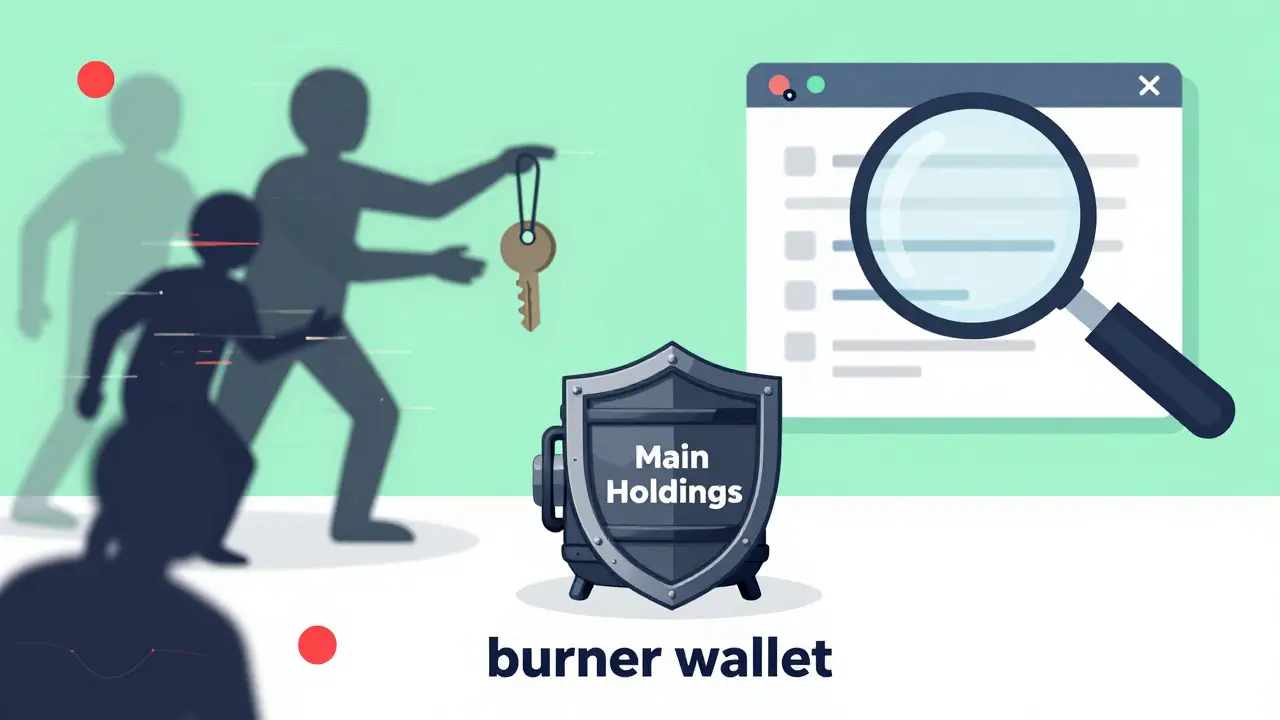
- Use a Burner Wallet: Consider using a secondary wallet with minimal funds to interact with unknown contracts. This isolates your main holdings from potential smart contract vulnerabilities.
- Check Gas Fees: Sometimes, the cost of claiming an airdrop (in Ethereum gas fees) exceeds the value of the tokens received. Calculate the potential ROI before signing transactions.
Additionally, be aware of tax implications. In many jurisdictions, receiving an airdrop is considered taxable income at the fair market value of the tokens at the time of receipt. Keep records of your claim date and the token's value on that day.
Conclusion: Is the BINO Airdrop Worth It?
The decision to pursue the Binopoly (BINO) airdrop depends on your risk tolerance and existing engagement with platforms like Bitget. If you are already trading on Bitget and participating in their challenges, the marginal effort to claim BINO rewards is low, and the potential upside, while uncertain, is non-zero. However, if you are new to the ecosystem, the lack of clear documentation, low liquidity, and confusion with similarly named projects like BinoFi makes this a less attractive target compared to more established airdrop opportunities.
Stay vigilant, verify every link, and never invest money you cannot afford to lose in hopes of an airdrop multiplier. The crypto space rewards patience and diligence, not haste.
Is Binopoly (BINO) the same as BinoFi?
No, they are distinct projects. While both use the ticker symbol BINO, Binopoly is primarily associated with token listings and exchange challenges, whereas BinoFi focuses on a hybrid exchange model with MPC technology and has been active in presale phases. Confusing the two can lead to investing in the wrong asset.
Where can I find the official BINO airdrop claim page?
There is no single universal claim page. BINO rewards are primarily distributed through partner exchanges like Bitget via trading challenges and promotions. You should check the "Promotions" section of the Bitget app or official Binopoly social media channels for specific campaign links.
Why is the price of BINO showing as -- or $0.00?
This indicates low trading volume or a lack of reliable data feeds from major exchanges. BINO has limited presence on centralized exchanges, meaning its price is determined by smaller decentralized pools. Placeholder values often appear when liquidity is too thin for accurate tracking.
Do I need to pay gas fees to claim the BINO airdrop?
Yes, if the airdrop requires on-chain interaction to transfer tokens to your wallet, you will need to pay network gas fees. If the airdrop is credited directly to your exchange account (e.g., Bitget), no gas fee is required until you withdraw the tokens to a personal wallet.
What is the contract address for Binopoly BINO?
The contract address is often partially cited as starting with 0xa2df...05eb592. However, due to the risk of scams and potential multiple versions across different chains, always verify the full address from official Binopoly announcements or trusted blockchain explorers before interacting.
14 Comments
Hey everyone, just wanted to drop a quick note of encouragement for anyone feeling overwhelmed by this crypto confusion. It is totally normal to feel lost when tickers overlap like this. Take a breath and double-check those contract addresses before you do anything. You got this!
It is absolutely infuriating how these projects keep reusing ticker symbols without any regard for consumer protection or basic decency. The sheer laziness of the industry is staggering. We are supposed to trust these entities with our hard-earned money while they play hide-and-seek with their identities? It is a disgrace.
The semantic drift between Binopoly and BinoFi is quite fascinating from a linguistic standpoint. One might argue that the market itself acts as a chaotic editor, pruning away the less viable narratives until only the strongest survive. I find it intriguing how the 'placeholder' price points serve as a sort of digital limbo for these assets.
wake up sheeple the whole thing is a setup by the central banks to track your wallet movements via mpc tech disguised as security binopoly is just a honeypot for retail liquidity mining operations deep state crypto surveillance program active now verify nothing trust no one
Ugh another day another scam waiting to happen 😩 why do we even bother checking these things if the data is just fake placeholders anyway 🤷♂️ feels like a waste of time honestly
There is a certain poetic tragedy in holding tokens that have no visible value on the charts. It reminds me of the concept of potential energy in physics; the value is there, theoretically, but it has not yet been released into kinetic motion through trade. Perhaps the silence of the order book is not emptiness, but a pause before a significant shift in momentum.
Look man I know it seems sketchy but hey every big thing started somewhere small right? Just make sure you are doing your homework and maybe you will be the early bird that gets the worm! Stay positive and keep learning about the tech behind it all because knowledge is power my friends!
I am just sitting here watching the dust settle on this whole BINO situation. It is kind of wild how people get so worked up over tokens that basically don't exist on major exchanges yet. I guess that is the thrill of the hunt for some folks. I prefer to watch from the sidelines with a cup of tea.
the paradigm shift in decentralized identity verification is being ignored by the masses who cling to centralized exchange validation mechanisms which are inherently flawed due to single point of failure risks inherent in traditional banking infrastructure models that seek to stifle innovation through regulatory capture tactics employed by legacy financial institutions seeking to maintain hegemony over monetary policy
It is evident that the narrative surrounding Binopoly is meticulously crafted to distract the populace from the true agenda of global financial consolidation. The so-called airdrops are merely tracking mechanisms for behavioral profiling. One must question the motives of Bitget and its shadowy backers. The evidence is overwhelming for those willing to look beyond the superficial marketing gloss.
In considering the epistemological status of the BINO token, one must ask whether the absence of price data constitutes proof of non-existence or merely a limitation of current observational tools. The distinction between Binopoly and BinoFi serves as a case study in the importance of precise terminology in economic discourse. Clarity is paramount.
Let us be real for a second. If you are chasing an airdrop for a token that shows '--' on CoinGecko, you are probably going to end up with nothing but gas fees. I have seen this pattern a thousand times. The smart money moves on to the next shiny object while the rest of us clean up the mess. Do not say I did not warn you 😉
it is pathetic how people fall for these obvious traps thinking they are getting something for free when really they are just providing liquidity for the insiders to dump on them the system is rigged against the little guy and pretending otherwise is just delusional self deception at its finest
@2776 Oh please spare me the cynical drivel. At least some people are trying to navigate this confusing landscape with diligence. Your negativity is as contagious as it is unhelpful. Maybe instead of complaining about the rigging you could actually read the whitepapers and contribute something constructive to the conversation rather than just spreading despair.