
BigONE Crypto Exchange Review: Fees, Security, and the 2025 Hack Impact

Imagine waking up to find your digital assets vanished. That was the reality for many BigONE users in July 2025, when a $27 million hack shook the platform's foundation. If you are considering this Singapore-based exchange today, you need to know more than just its fee structure. You need to understand how it recovered, what makes it different from giants like Binance, and whether the risk is worth the reward.
What Is BigONE?
BigONE is a global cryptocurrency exchange founded in 2017 and registered in the Netherlands, operating under BigX Global PTE Ltd with headquarters in Singapore. It serves traders across Asia-Pacific, Europe, and Latin America, explicitly excluding US residents due to regulatory constraints. The platform isn't trying to be everything to everyone; instead, it carves out a niche by offering access to over 500 cryptocurrencies, including many exotic altcoins that larger exchanges ignore.
The exchange supports a wide range of financial instruments. You can trade spot markets, margin pairs with up to 10x leverage, and perpetual futures contracts with leverage reaching 100x. It also offers options, ETFs, and NFT trading. This breadth makes it attractive for active traders who want one-stop-shop convenience without jumping between multiple platforms.
| Feature | BigONE Details | Industry Context |
|---|---|---|
| Founded | 2017 | Mid-tier longevity |
| HQ Location | Singapore / Netherlands | Favorable regulatory hubs |
| Cryptocurrencies | 500+ | Higher than average selection |
| Max Leverage | 100x (Perpetual Futures) | Competitive with top-tier derivatives platforms |
| Spot Maker Fee | 0.2% (Base Tier) | Standard for non-VIP accounts |
| Futures Taker Fee | 0.06% | Reasonable, but not lowest |
| US Users Allowed | No | Common for offshore exchanges |
Fees and Trading Costs
Let’s talk money. BigONE uses a tiered fee model based on your 30-day trading volume and BIG token holdings. For most casual traders, the base rate sits at 0.2% for both maker and taker orders on spot trades. If you hold BIG tokens or increase your volume, these rates drop significantly.
For futures traders, the fees are sharper. Makers pay 0.02%, while takers pay 0.06%. While this isn’t the cheapest option on the market-Binance often beats this-it’s competitive enough for those who value the specific asset list BigONE provides. Remember, high leverage amplifies both gains and losses, so even small fee differences matter when you’re trading large positions.
There are no minimum deposit requirements, which lowers the barrier to entry. However, withdrawal limits vary by verification level. Always check the VIP section before moving large sums. The platform supports 13 fiat currencies, including USD, EUR, AUD, and JPY, making it accessible for international users outside the US.
The July 2025 Security Breach
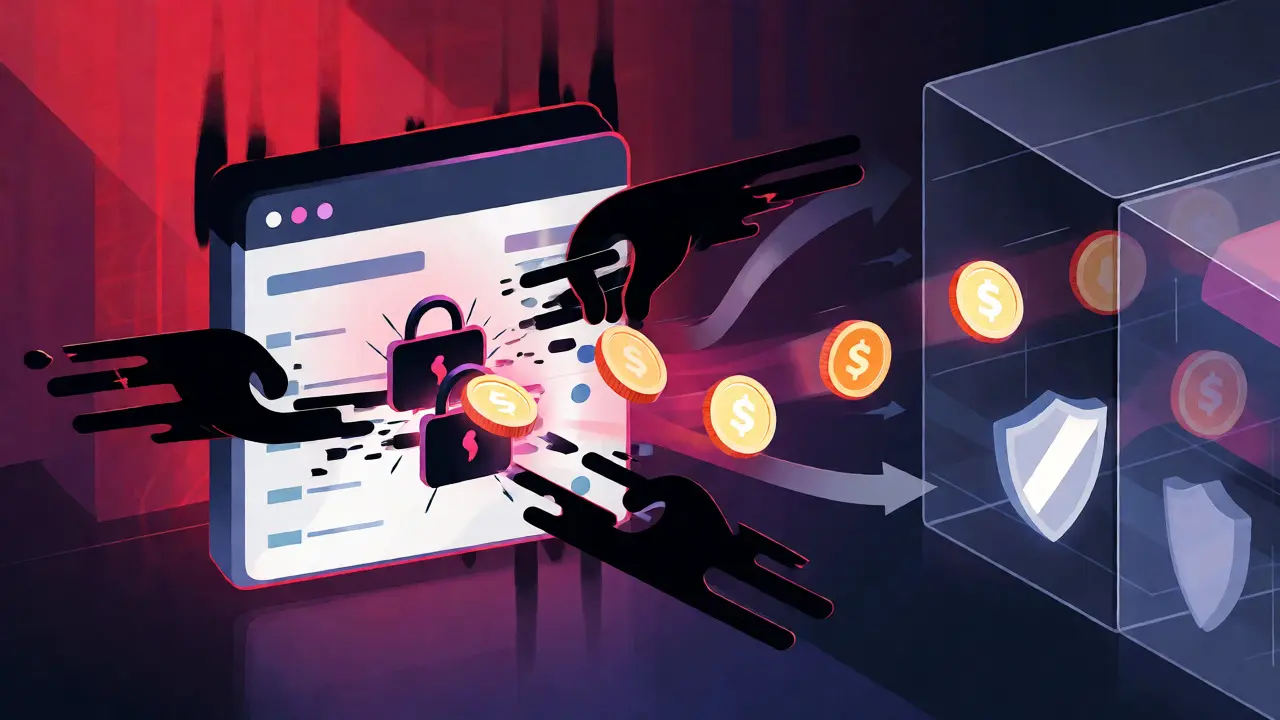
You cannot discuss BigONE without addressing the elephant in the room: the hack. On July 16, 2025, hackers exploited vulnerabilities in hot wallets, stealing approximately $27 million in user funds. The stolen assets spanned Bitcoin, Ethereum, Tron, Solana, and BNB Chain networks.
Here is the critical part: BigONE responded quickly. They collaborated with blockchain security firm SlowMist to trace the stolen assets. More importantly, they pledged full compensation for affected users. The exchange paused withdrawals temporarily to implement additional security upgrades but kept trading and deposits active. This response helped stabilize user sentiment, though trust takes time to rebuild.
The breach highlighted a common weakness in centralized exchanges: hot wallet management. BigONE maintained that private keys remained secure, limiting the damage to online storage assets. Since then, the platform has enhanced its security protocols, including more rigorous penetration testing and bug bounty programs.
User Experience and Interface
BigONE uses a proprietary version of TradingView as its primary charting tool. If you’ve used TradingView before, you’ll feel right at home. The interface is clean, intuitive, and packed with technical indicators. For beginners, this might seem overwhelming, but the layout is logical once you get past the initial learning curve.
The mobile app is available for both iOS and Android. Reviews suggest it mirrors the web experience well, allowing you to monitor positions and execute trades on the go. However, some users report occasional lag during high-volatility periods, a common issue for mid-tier exchanges handling sudden traffic spikes.
Customer support operates 24/7 via email, ticket systems, and live chat. There is no phone support, which can be frustrating if you have an urgent issue. Response times vary, with some users reporting quick resolutions and others waiting days for detailed answers. Given the 2025 incident, expect longer wait times during any future network congestion.
Who Should Use BigONE?
BigONE isn’t for everyone. It shines for specific types of traders:
- Altcoin Hunters: If you’re looking for low-cap gems not listed on Coinbase or Kraken, BigONE’s 500+ coin list is a major draw.
- Leverage Traders: The 100x leverage on perpetuals appeals to aggressive traders, though this comes with significant risk.
- Non-US Residents: If you’re in Asia, Europe, or South America, BigONE offers robust services without the regulatory hurdles faced by US investors.
Conversely, avoid BigONE if you prioritize absolute lowest fees, require phone support, or are extremely risk-averse following the 2025 hack. Institutional investors might prefer exchanges with longer, unblemished security track records.
Security Measures Beyond the Hack
Post-hack, BigONE doubled down on security. They implemented proof-of-reserves audits to prove they hold user assets. Two-factor authentication (2FA) is mandatory for withdrawals. Cold storage solutions keep the majority of funds offline, reducing exposure to online attacks.
The platform also runs regular penetration tests and maintains a bug bounty program. These measures don’t guarantee immunity, but they show a commitment to proactive defense. For individual users, enabling all available security features, including IP whitelisting and anti-phishing codes, is essential.
Final Verdict
BigONE occupies a middle ground in the crowded crypto exchange landscape. It offers more coins than most competitors and decent trading tools, but it lacks the brand prestige and ironclad reputation of industry leaders. The 2025 hack was a serious blow, but the transparent recovery process mitigated long-term damage.
If you decide to use BigONE, treat it as a trading venue rather than a vault. Move profits to hardware wallets regularly. Keep your account diversified across platforms. And always stay updated on their security announcements. For the right trader, BigONE remains a viable, feature-rich option in 2026.
Is BigONE safe after the 2025 hack?
Yes, BigONE resumed operations with enhanced security measures, including proof-of-reserves and upgraded hot wallet protocols. They compensated users for the $27 million loss. However, no exchange is entirely risk-free, so standard precautions like using hardware wallets for long-term storage remain advisable.
Does BigONE accept US customers?
No, BigONE restricts access to US residents and citizens due to regulatory compliance issues. American investors must choose alternative platforms like Coinbase or Kraken.
What are the maximum leverage options on BigONE?
BigONE offers up to 100x leverage on perpetual futures contracts. Margin trading allows up to 10x leverage, and ETF trading supports 3x leverage.
How many cryptocurrencies does BigONE support?
As of late 2025, BigONE supports over 500 cryptocurrencies, including major assets like Bitcoin and Ethereum, as well as numerous altcoins and new listings.
What are the spot trading fees on BigONE?
The base spot trading fee is 0.2% for both makers and takers. This rate decreases with higher trading volumes and BIG token holdings through the VIP tier system.