
Are Crypto Payments Allowed in Iran? The 2026 Reality
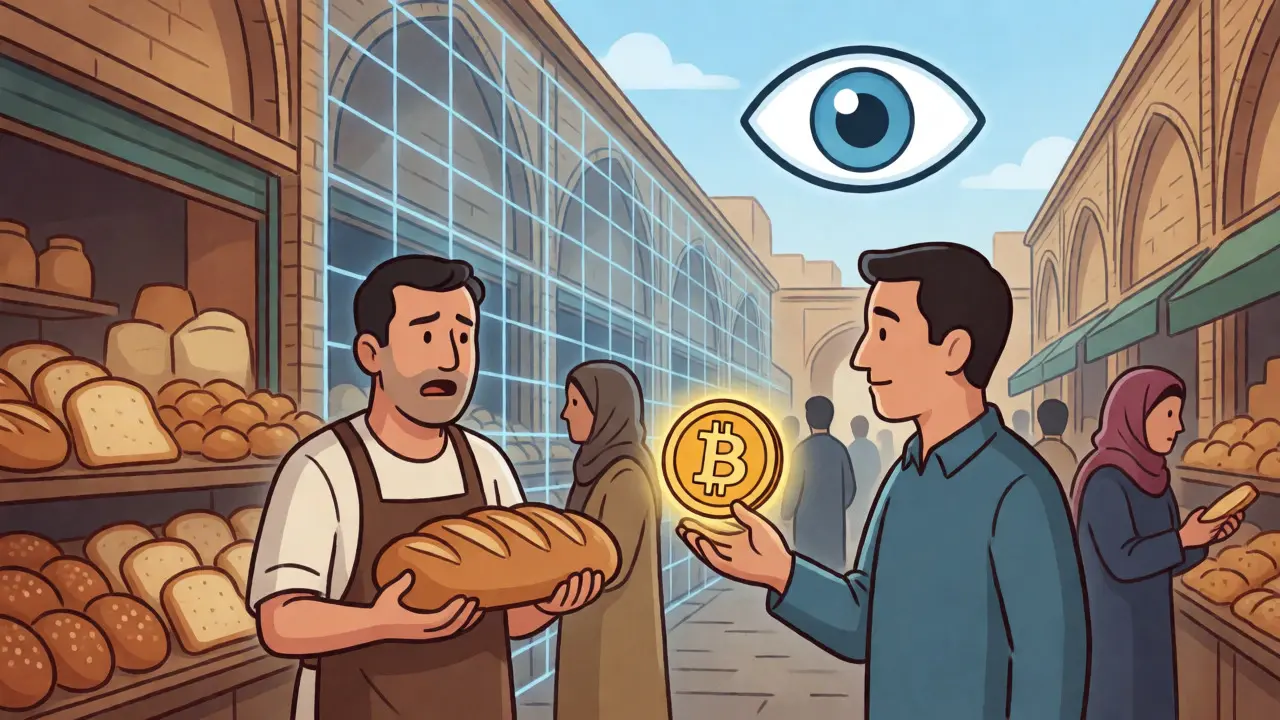
Imagine trying to buy a loaf of bread or pay for your taxi ride using Bitcoin. In most Western countries, this is becoming easier, though still niche. But in Iran, the answer isn't a simple yes or no-it's a complicated web of government control, sanctions evasion, and strict surveillance. As of August 2026, cryptocurrency payments in Iran are not fully banned, but they are heavily restricted and monitored by the state. You can mine it, you can trade it on specific local platforms, but handing over digital coins directly to a shopkeeper for goods? That remains legally gray and practically difficult.
The Short Answer: What Can You Actually Do?
If you are an Iranian citizen or a business operating in Tehran, here is the current reality of the market. The government has shifted from a total ban to a model of "controlled permission." This means the door is open, but there is a guard at the entrance checking your ID, your phone, and your bank statements.
| Activity | Legal Status | Key Restriction |
|---|---|---|
| Mining | Legal with License | Must sell output to CBI; high energy tariffs |
| Trading | Allowed on Licensed Exchanges | Mandatory KYC; API data shared with govt |
| Payments | Restricted/Gray Area | No direct P2P for retail; must use fiat via gateways |
| Advertising | Banned | No online or physical ads allowed |
The Regulatory Shift: From Ban to Surveillance
To understand where we are today, you have to look at the dramatic pivot that happened between late 2024 and early 2025. For years, the narrative was about prohibition. But then, President Masoud Pezeshkian’s administration designated the Central Bank of Iran (CBI) as the sole authority for regulating the crypto market. This wasn't just a bureaucratic shuffle; it was a strategic move to capture value from a booming sector while keeping a tight leash on capital flight.
In December 2024, the CBI blocked all direct crypto-to-rial payments through websites. It looked like a hard stop. However, by January 2025, they began unblocking exchanges-but with a catch. These platforms had to integrate with the government’s own API system. This gives authorities full visibility into every transaction. If you trade on a licensed platform like Nobitex, the government sees your wallet address, your trading volume, and your identity. It is less about banning crypto and more about ensuring no money moves without the state knowing.
Why Direct Payments Are Still Hard
You might ask, "If I can hold Bitcoin, why can't I spend it?" The issue lies in the definition of legal tender. The Iranian Rial is the only official currency for settling debts and prices within the country. While you can convert Bitcoin to Rials on an exchange, using Bitcoin directly to pay for groceries or services is not recognized as a valid payment method by merchants who want to stay compliant with tax laws.
Furthermore, the payment gateway infrastructure has been restructured. The CBI shut down independent rial-based payment gateways for crypto exchanges. Now, if you want to cash out, you must go through designated accounts approved by the central bank. This creates friction. It slows down transactions and adds layers of verification that make quick, peer-to-peer (P2P) commerce nearly impossible for everyday users.
Mining: The Legal Loophole with High Costs
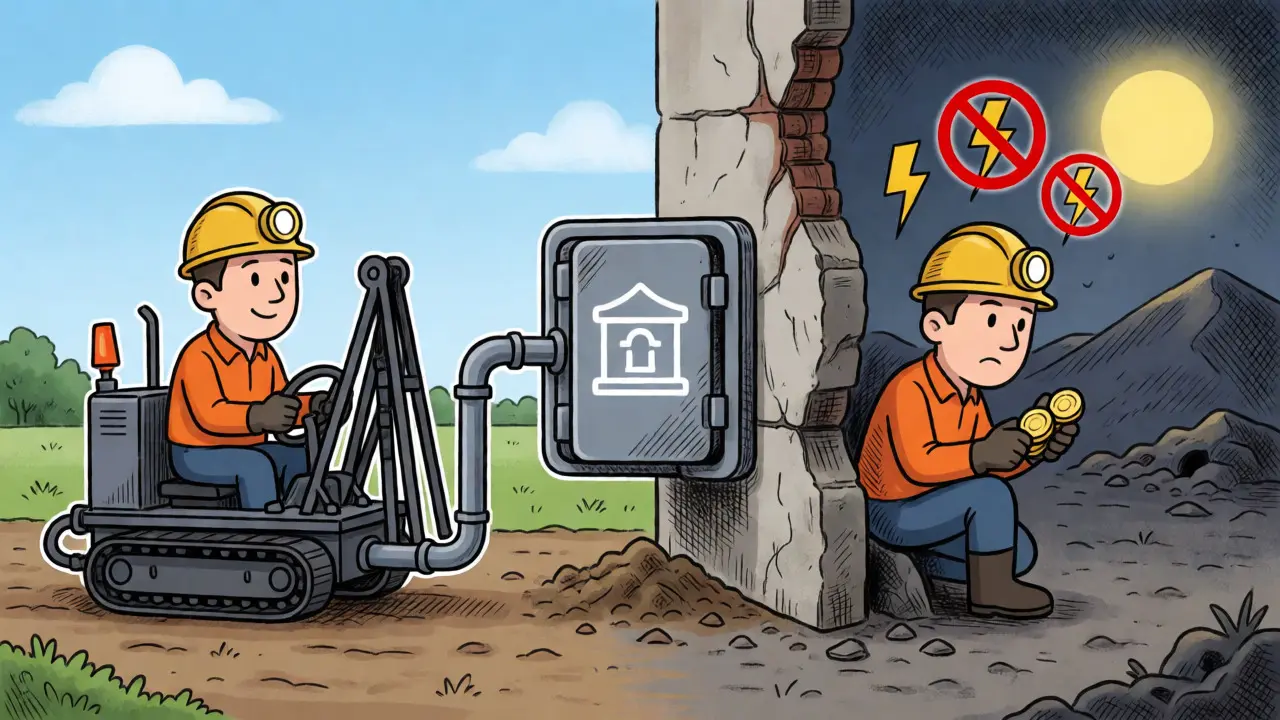
While spending crypto is tricky, generating it is a different story. Bitcoin mining remains legal in Iran, provided you have a license from the Ministry of Industry, Mine and Trade. Iran has become a significant player in the global hash rate, accounting for roughly 4.5% of global activity at peak times. Why? Because electricity is cheap. Or at least, it used to be.
However, the economics have changed. The government imposes high energy tariffs on licensed miners. More importantly, licensed miners are often required to sell their mined assets directly to the Central Bank of Iran. This turns mining into a quasi-state enterprise rather than a free-market venture. Many miners find these terms unsustainable, leading to a massive underground mining sector. When rolling power outages hit in late 2024, authorities blamed unauthorized mining, cracking down hard on illegal rigs. So, while mining is technically allowed, the line between legal and illegal operations is blurry and dangerous to cross.
The Advertising Ban: A Signal of Intent
In February 2025, the government implemented a nationwide ban on cryptocurrency advertising. This applies to everything from billboards in Tehran to Instagram influencers promoting new altcoins. This is one of the most restrictive policies globally. Why ban ads if you allow trading? It signals that the government wants to limit public hype and speculative bubbles. They fear that widespread adoption could destabilize the Rial further, which has suffered from severe depreciation due to sanctions and inflation.
This ban makes it hard for new users to discover platforms or learn about opportunities organically. Most knowledge spreads through word-of-mouth or private Telegram groups, creating an information asymmetry that favors those already inside the ecosystem.
Sanctions Evasion and International Pressure
Crypto in Iran isn't just a domestic economic tool; it's a geopolitical weapon. Due to international sanctions, Iranian entities have struggled to access the SWIFT banking network. Cryptocurrency offers a workaround. The Islamic Revolutionary Guard Corps (IRGC) and other state-linked entities have utilized digital currencies to facilitate trade and move funds.
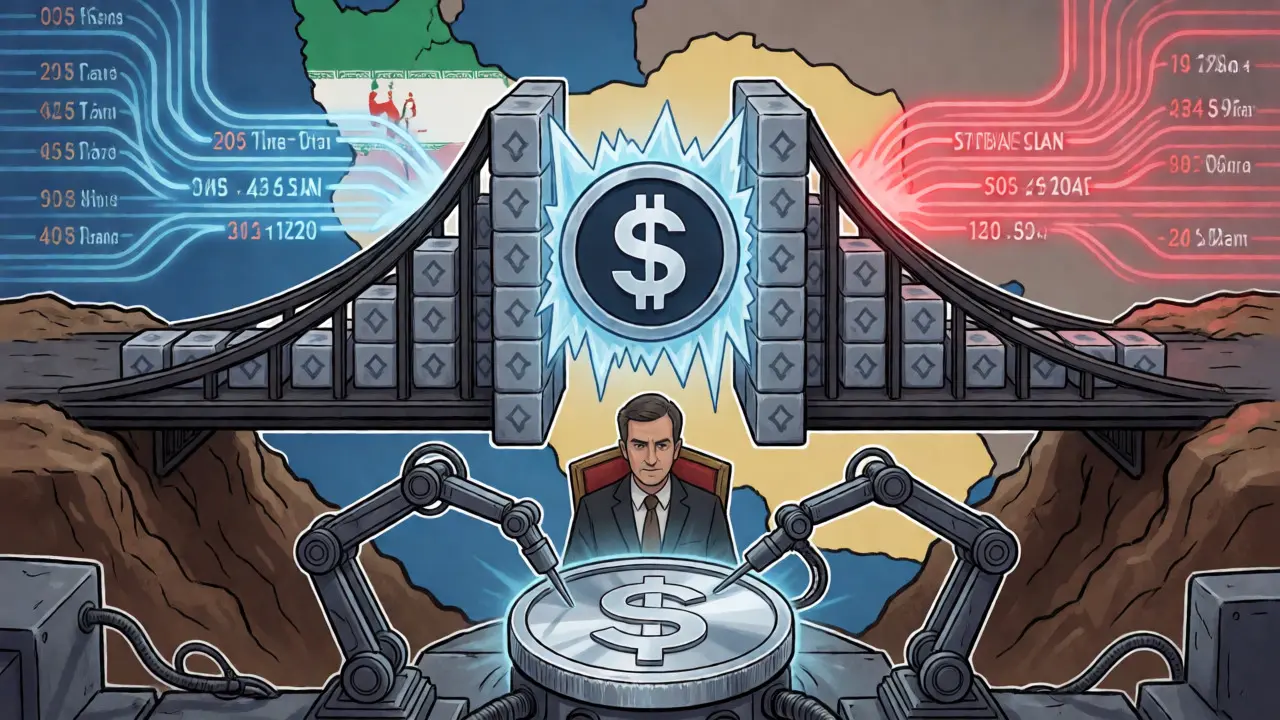
But the world is watching. In July 2025, Tether froze 42 cryptocurrency addresses linked to Iranian entities, many connected to the Nobitex exchange. This was the largest freeze of its kind, showing that international compliance mechanisms are tightening. Using crypto to evade sanctions comes with the risk of having your stablecoins frozen abroad. For ordinary Iranians, this means holding USDT carries a unique risk profile compared to holding it in Europe or Asia.
The Digital Rial: The Government's Counter-Move
Iran isn't just reacting to Bitcoin; it's building its own alternative. The Central Bank is developing a Central Bank Digital Currency (CBDC) known as the "Digital Rial" or "Rial Currency." Unlike Bitcoin, this cannot be mined. Its supply is controlled entirely by the CBI. Pilot programs have launched on Kish Island, aiming to reduce dependency on the US Dollar for regional trade.
The goal is clear: embrace the technology of blockchain while rejecting the decentralization. The Digital Rial allows for electronic cash transfers that are traceable and controllable. It represents the state's ideal version of crypto-efficient, fast, but ultimately under the thumb of the monetary authority.
Practical Tips for Users in Iran
If you are navigating this landscape, keep these heuristics in mind:
- Use Licensed Platforms: Stick to exchanges registered with the CBI to avoid sudden freezes. Unofficial markets offer better rates but higher counterparty risk.
- Expect Data Sharing: Assume every trade on a local exchange is visible to regulators. Privacy-focused coins may help, but off-ramping them requires care.
- Watch the Grid: Mining profitability is tied to energy costs and grid stability. Check for seasonal power restrictions before investing in hardware.
- Stablecoin Risk: Be aware that USDT and USDC issuers actively monitor Iranian IP addresses and wallet clusters. Diversify your holdings if possible.
Frequently Asked Questions
Is Bitcoin legal in Iran in 2026?
Yes, owning and trading Bitcoin is legal, but it is strictly regulated. You cannot use it as legal tender for everyday purchases, and all transactions through local exchanges are subject to Central Bank oversight and data sharing requirements.
Can I pay for coffee with crypto in Tehran?
Directly, usually no. Most merchants require payment in Rials. While some tech-savvy businesses might accept crypto informally, it is not a standard, legally protected payment method. You would typically need to convert crypto to Rials via an exchange first.
Why did Iran ban crypto advertising?
The government imposed a ban on cryptocurrency advertising in 2025 to curb speculative frenzy and prevent rapid adoption from destabilizing the national currency, the Rial. It aims to keep crypto usage contained within professional or sanctioned channels rather than mass retail speculation.
Is crypto mining profitable in Iran now?
It depends on your scale and legality. Licensed miners face high electricity tariffs and mandatory sales to the Central Bank, which squeezes margins. Unauthorized miners benefit from cheaper power but face risks of equipment seizure and fines during grid shortages.
What happens if I use foreign exchanges like Binance?
Many Iranians use VPNs to access foreign exchanges. However, withdrawing funds back to Iranian banks can be complex due to sanctions and anti-money laundering checks. Additionally, international exchanges may freeze accounts associated with Iranian IPs or wallets due to compliance pressures.