
Anchored Euro (AEUR) Explained: MiCA-Compliant Stablecoin Guide
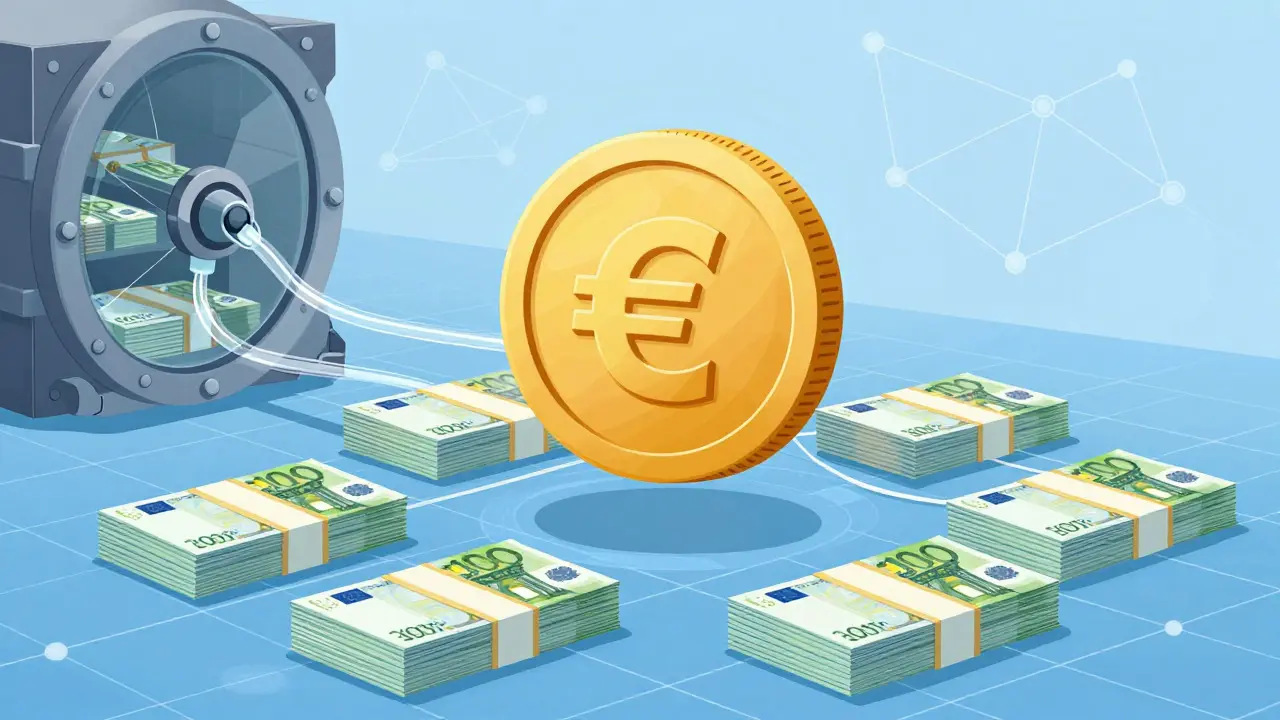
Ever wondered why some crypto assets feel like digital cash while others swing wildly in price? That’s the job of a stablecoin, a digital token designed to hold a steady value against a specific asset, usually a fiat currency. In Europe, the landscape is shifting fast due to new regulations. Enter AEUR, or the Anchored Euro, a token issued by Anchored Coins AG, a Swiss-based company aiming to bring regulated stability to the blockchain space.
This isn’t just another token; it’s a response to the European Union’s Markets in Crypto Assets (MiCA) framework. If you’re looking for a euro-backed asset that plays nice with compliance rules, AEUR is worth a closer look. Here’s what you need to know about how it works, where it lives, and who it’s actually for.
What Exactly Is AEUR?
AEUR is a euro-denominated stablecoin. Its core promise is simple: one AEUR should always equal one Euro. To make this happen, Anchored Coins uses a full-reserve model. This means for every single AEUR token circulating, there is one Euro held in reserve backing it up. It’s not backed by algorithms or volatile crypto portfolios, which keeps the value tethered firmly to the traditional currency.
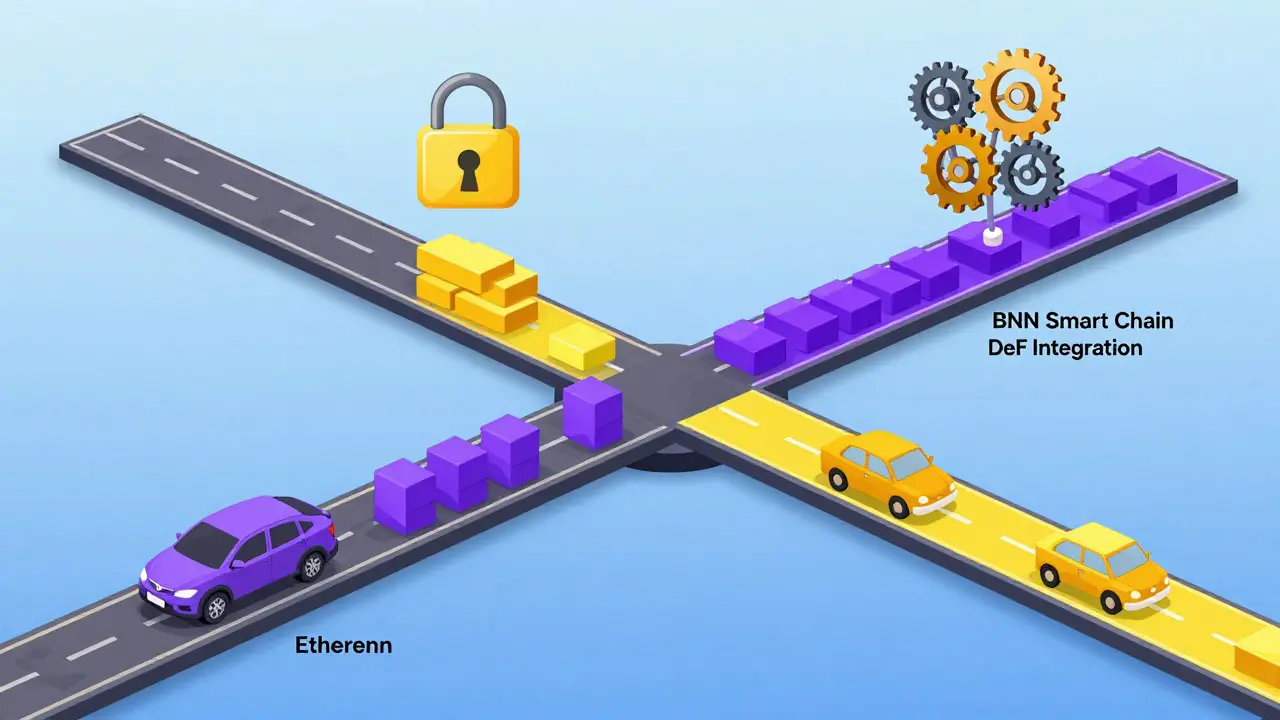
The issuer, Anchored Coins AG, operates from Switzerland but targets the broader European market. Their strategy revolves around regulatory compliance. By aligning with MiCA, they aim to offer an option for institutions and individuals who want the speed of crypto without the headache of navigating unclear legal gray areas. The token is built on two major blockchains: Ethereum and BNB Smart Chain. This dual presence gives users flexibility in where they transact, though it also means you have to be mindful of which network you’re using when sending funds.
The MiCA Factor: Why Compliance Matters Now
You might ask, why does the regulatory framework matter so much? Well, the EU’s MiCA regulation, officially known as Regulation (EU) 2023/1114, came into effect to standardize how crypto assets are handled across member states. Before MiCA, stablecoins operated in a patchwork of national laws. Now, there’s a clear set of rules.
For a token like AEUR, being MiCA-compliant means several things:
- Transparency: Issuers must publish a detailed white paper containing key information, risk disclosures, and rights attached to the token.
- Reserve Requirements: Assets must be kept separate from the issuer’s own accounts to protect holders.
- Supervision: A competent authority oversees the issuer, adding a layer of accountability.
This creates a competitive advantage. Non-compliant stablecoins may face restrictions or even bans in certain European markets. For institutional investors, banks, or businesses operating in the EU, using a compliant token like AEUR reduces legal risk. It’s less about speculation and more about utility and safety.

How AEUR Works Under the Hood
Let’s get technical for a moment, but keep it simple. AEUR exists as a smart contract on both Ethereum (ERC-20 standard) and BNB Smart Chain (BEP-20 standard). When you buy AEUR directly from Anchored Coins, you go through a Know Your Customer (KYC) and Anti-Money Laundering (AML) process. This involves submitting government-issued ID and other personal details. While this adds a step compared to buying anonymous tokens on a decentralized exchange, it satisfies regulatory requirements.
Security is handled through audited smart contracts. PeckShield, a well-known independent auditor, has reviewed the code. However, it’s important to note a centralized feature: Anchored Coins can freeze funds on specific addresses if instructed by law enforcement. This is a double-edged sword. On one hand, it helps recover stolen funds and aids investigations. On the other, it means your assets aren’t entirely in your hands if you’re caught up in a legal dispute. Fully decentralized stablecoins don’t have this mechanism, so choose based on what you value more: regulatory protection or absolute autonomy.
| Token | Issuer | Backing Model | MiCA Compliant | Primary Chains |
|---|---|---|---|---|
| AEUR | Anchored Coins AG | 1:1 Fiat Reserve | Yes | Ethereum, BNB Smart Chain |
| EURC | Circle | 1:1 Fiat Reserve | In Progress/Partial | Avalanche, Ethereum, Solana, Stellar |
| cEUR | Celo | Algorithmic + Crypto Portfolio | No | Celo Network |
| EURI | Banking Circle S.A. | 1:1 Fiat Reserve | Yes | Ethereum |
Buying and Using AEUR: What to Expect
If you decide to use AEUR, the onboarding process is straightforward but requires patience. Direct purchases from Anchored Coins involve KYC verification, which typically takes 24 to 72 hours. Once verified, you can mint AEUR tokens. You can also find them on select exchanges, though liquidity might be lower than for giants like USDT or USDC.
When transferring AEUR, remember the gas fees. Ethereum transactions can cost anywhere from $0.50 to $5.00 depending on network congestion. BNB Smart Chain is significantly cheaper, often under $0.50. If you’re doing frequent small transactions, BSC might be the better choice for cost efficiency. If you’re interacting with DeFi protocols primarily on Ethereum, stick with the ERC-20 version.
Who is this really for? Think of it this way:
- European Businesses: Needing to settle invoices in euros quickly without waiting for bank transfers.
- Compliance-Focused Investors: Who want exposure to crypto rails but prefer assets with clear legal standing.
- DeFi Users in the EU: Looking for a stable collateral asset that aligns with emerging regulations.
Risks and Limitations to Keep in Mind
No financial product is without risk. For AEUR, the main considerations are:
- Liquidity: As a newer entrant, AEUR has a smaller market cap compared to established players. This can lead to higher slippage when trading large amounts.
- Centralization Risk: The ability to freeze funds means you rely on the issuer’s integrity and legal standing. If Anchored Coins faces operational issues, access to your funds could be impacted.
- Regulatory Changes: While MiCA provides clarity, future amendments could alter the playing field. Staying updated on regulatory news is crucial.
Also, keep an eye on the sustainability reports. MiCA increasingly expects issuers to disclose environmental impacts. This might affect long-term operational costs and reporting burdens for Anchored Coins.
FAQ
Is AEUR fully decentralized?
Not entirely. While it runs on public blockchains like Ethereum and BNB Smart Chain, the issuer retains the power to freeze specific addresses upon legal request. This makes it a hybrid model rather than a purely decentralized one.
Can I buy AEUR without KYC?
If you buy directly from Anchored Coins, yes, you need KYC. However, if you purchase it on a secondary market via a decentralized exchange or a non-KYC centralized exchange, you might bypass direct issuer verification, though the counterparty risk remains.
Which blockchain is better for AEUR transactions?
BNB Smart Chain is generally cheaper and faster for everyday transactions. Ethereum offers greater integration with DeFi protocols but comes with higher gas fees. Choose based on your primary use case.
How is AEUR different from EURC?
Both are euro-backed stablecoins. AEUR is explicitly positioned within the MiCA framework by a Swiss issuer, while EURC is issued by Circle, a global entity. AEUR currently focuses on Ethereum and BNB Chain, whereas EURC supports multiple chains including Avalanche and Solana.
Is AEUR safe to hold long-term?
It depends on your trust in the issuer and the regulatory environment. The 1:1 reserve model and MiCA compliance add layers of security. However, as with any stablecoin, monitor the issuer’s financial health and audit reports regularly.