
Abu Dhabi ADGM Crypto Framework: Rules, Restrictions & Licensing Guide
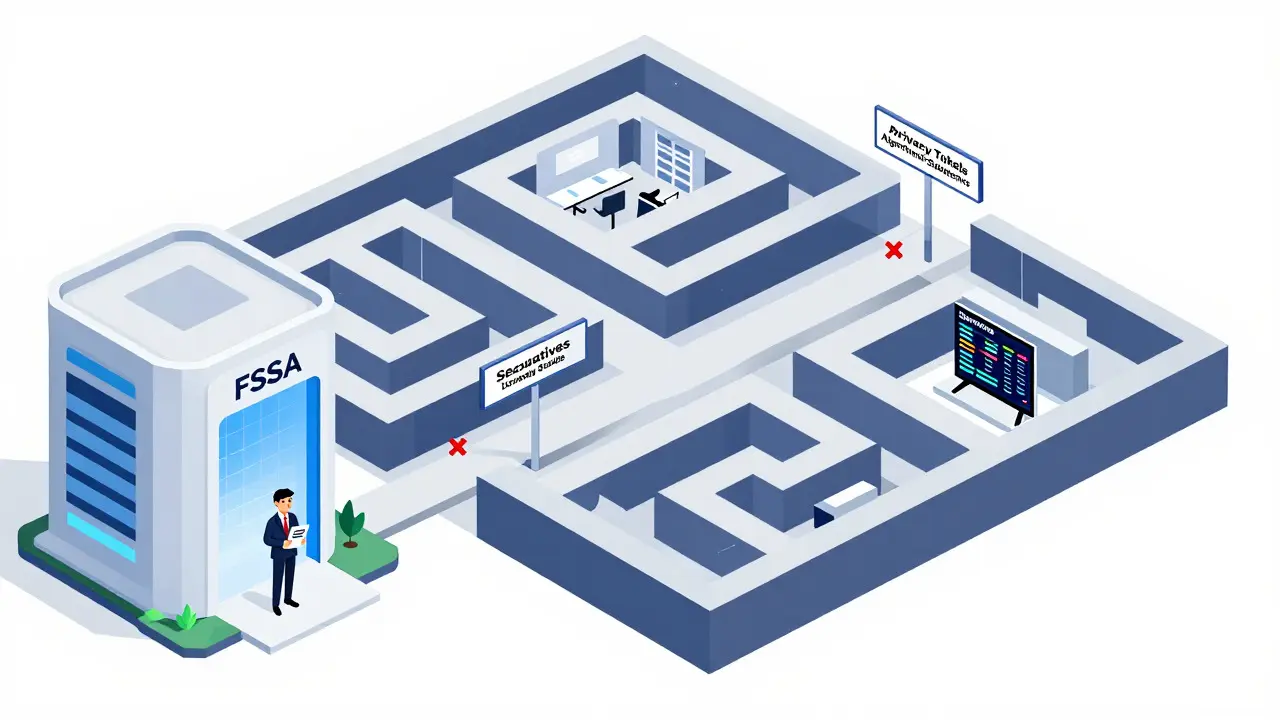
Setting up a crypto business in the Middle East isn't just about picking a location with low taxes. It’s about navigating a complex web of laws that change faster than most market cycles. If you are looking at Abu Dhabi Global Market (ADGM), you are stepping into one of the region's most sophisticated regulatory environments. But here is the catch: it is not designed for everyone. In fact, recent moves have made it explicitly hostile to certain types of assets.
By mid-2025, the Financial Services Regulatory Authority (FSRA) tightened its grip significantly. They banned privacy tokens and algorithmic stablecoins outright. For many founders, this sounds like a dealbreaker. For institutional players, however, it signals safety and clarity. This article breaks down exactly what you can and cannot do under the current ADGM framework as we move through 2026.
How ADGM Defines Digital Assets
The first thing you need to understand is that ADGM does not treat all cryptocurrencies the same way. Unlike some jurisdictions that create a single bucket for "crypto," ADGM looks at the economic substance of the token. This approach aligns with global standards but adds a layer of complexity that requires careful legal structuring.
If your digital token behaves like a security-meaning it represents an investment contract or shares in a company’s profits-the FSRA regulates it as a security. This means you fall under the same strict rules as traditional stock issuers. You need prospectuses, investor disclosures, and rigorous compliance checks. On the other hand, if you are dealing with derivatives over digital assets, those are regulated as derivatives. Collective investment funds that hold crypto are treated as units in a fund.
This classification system is crucial because it dictates your licensing path. A trading platform handling utility tokens might face different requirements than a fund manager holding Bitcoin. The FSRA expects you to map your business model against these categories before you even submit an application. Misclassification here can lead to rejected applications or, worse, enforcement actions down the line.
The 2025 Ban: Privacy Tokens and Algorithmic Stablecoins
In June 2025, the FSRA implemented sweeping amendments known as the Digital Asset Updates. These changes were not minor tweaks; they fundamentally altered the landscape for two specific asset classes. The main legislation introduced express prohibitions for privacy tokens and algorithmic stablecoins.
Why did this happen? The answer lies in the global push for transparency. Privacy tokens, which obscure transaction details, clash with Anti-Money Laundering (AML) and Counter-Terrorist Financing (CTF) requirements. Regulators want to see who is sending money to whom. By banning these tokens, ADGM aligned itself with international bodies like the Financial Action Task Force (FATF), signaling that it is a safe haven for institutional capital, not a shadow banking zone.
Algorithmic stablecoins faced a similar fate due to stability concerns. After high-profile collapses in previous years, regulators grew wary of mechanisms that rely on code rather than hard assets to maintain pegs. ADGM decided that only fiat-referenced or fully collateralized stablecoins would be permitted. This restriction forces projects to back their tokens with tangible assets, reducing systemic risk for investors.
| Asset Type | Regulatory Status | Key Requirements |
|---|---|---|
| Security Tokens | Regulated as Securities | Prospectus approval, investor suitability checks, ongoing disclosure obligations |
| Privacy Tokens | Prohibited | No licensing available; issuance and trading banned within ADGM |
| Algorithmic Stablecoins | Prohibited | Must be replaced by fiat-referenced or fully collateralized alternatives |
| Utility Tokens | Case-by-case assessment | Must prove non-investment nature; may still require consumer protection safeguards |
| Digital Asset Derivatives | Regulated as Derivatives | Licensing for market operators, margin requirements, clearing house integration |
Licensing and Authorization Process
Getting licensed in ADGM is not a quick process. It is designed to filter out well-capitalized, serious players from speculative startups. The FSRA Authorisation Team reviews every application against strict admission criteria. You cannot simply register a company and start trading. You need explicit permission to conduct virtual asset activities.
The application requires a detailed regulatory plan. This document must outline your planned activities, internal controls, and resources to address risks. The FSRA evaluates your financial soundness, operational capability, governance structures, and risk management frameworks. They want to know how you will handle a cyberattack, a liquidity crisis, or a key person departure.
One practical tip: engage with the FSRA early. Initial discussions with their teams can help you align your business model with regulatory expectations before you spend thousands on legal fees and documentation. Many applicants fail because they assume their existing offshore structure will suffice. It won’t. ADGM demands local presence and robust corporate governance.
Fees for licensing vary based on the scope of activities. Trading platforms, custodians, and fund managers each have different fee structures. Make sure to check the latest Fees Rules published by the FSRA, as these are updated regularly to reflect inflation and administrative costs.
Cybersecurity: The New Compliance Deadline
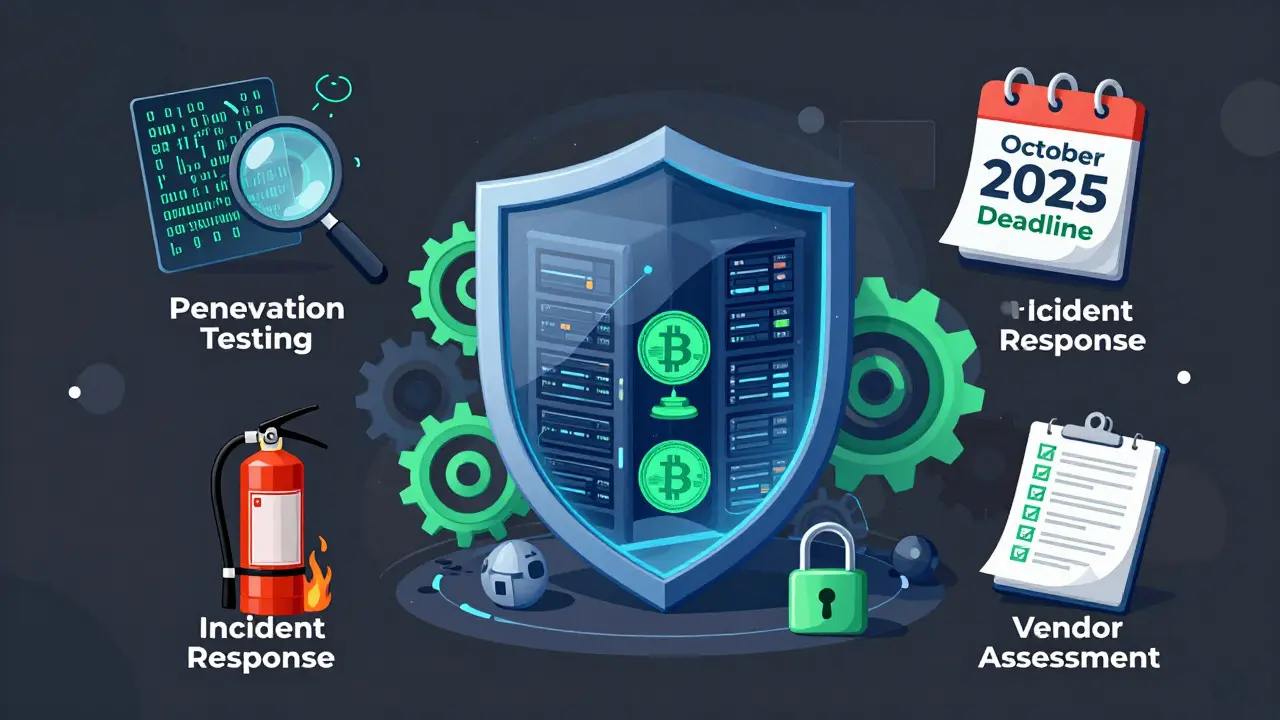
If there is one area where ADGM has doubled down, it is cybersecurity. In July 2025, the FSRA announced new Cyber Risk Management Framework requirements. Firms had six months to comply, setting October 2025 as the hard deadline. As we stand in August 2026, any firm operating without full compliance is already in violation.
These requirements go beyond basic firewalls and antivirus software. They demand comprehensive cyber risk management protocols. This includes regular penetration testing, incident response plans, employee training, and third-party vendor assessments. Custody providers face even stricter scrutiny since they hold client assets directly.
The rationale is clear: digital assets are prime targets for hackers. A breach in ADGM could damage the reputation of the entire UAE financial sector. Therefore, the FSRA treats cybersecurity as a core prudential requirement, not an IT afterthought. Expect audits to focus heavily on your technical infrastructure during license renewals.
ADGM vs. VARA: Choosing the Right Jurisdiction
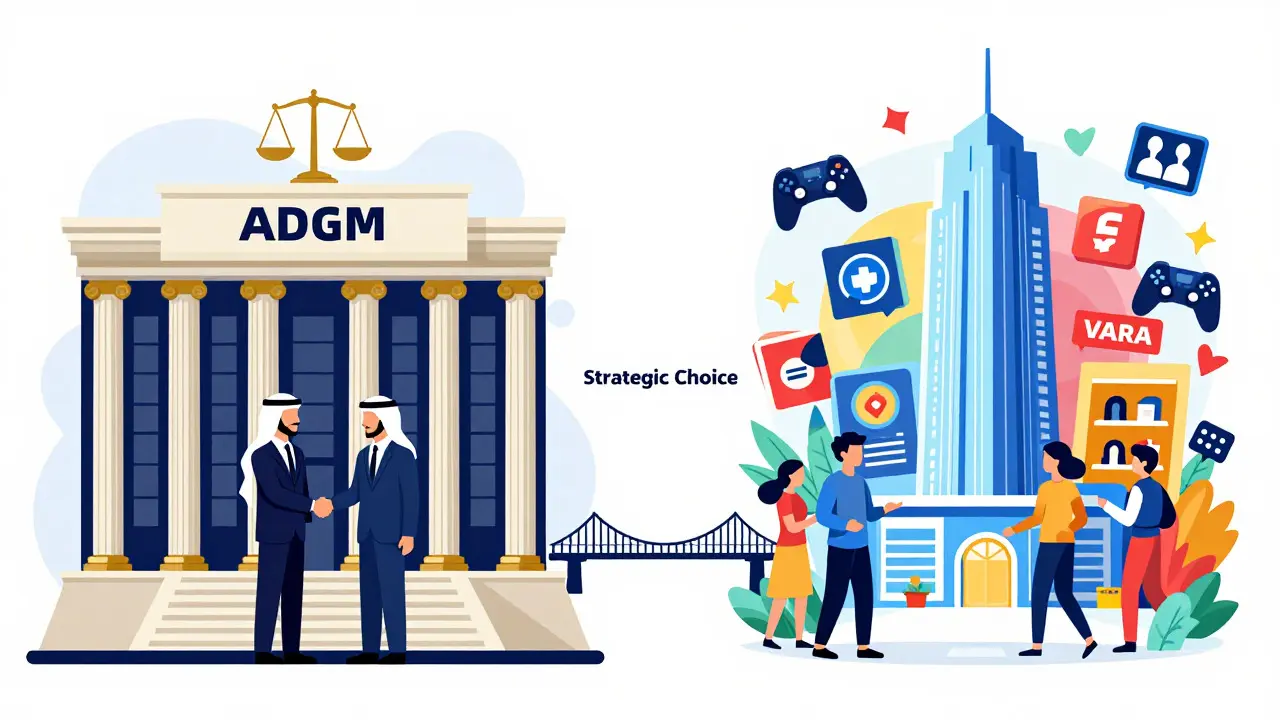
You might wonder why you should choose ADGM over Dubai’s Virtual Assets Regulatory Authority (VARA). Both are leading hubs in the UAE, but they serve different markets. Understanding this distinction is critical for your strategic positioning.
ADGM operates under English common law. This provides familiar legal structures for international banks, hedge funds, and family offices. Its focus is institutional-grade financial services and sophisticated investor products. If you are launching a digital securities exchange or a crypto fund for accredited investors, ADGM is likely your best bet.
VARA, on the other hand, has a broader mandate that includes retail-focused virtual asset services. It is more suited for exchanges targeting individual consumers, NFT marketplaces, and gaming platforms. While VARA is evolving rapidly, ADGM remains the preferred choice for entities seeking deep integration with traditional finance.
Another key difference is the federal overlay. Under Cabinet Decision No. 111 of 2021, the Securities and Commodities Authority (SCA) maintains overall federal authority. However, ADGM enjoys delegated competencies that allow it to operate independently while maintaining alignment with UAE policy. This dual-layer system can be confusing, but it offers flexibility for specialized financial free zones like ADGM.
Future Outlook: Fiat-Referenced Tokens and Beyond
The regulatory landscape in ADGM is not static. As of late 2025 and into 2026, the FSRA continues to consult on emerging topics. One major area of development is the regulation of fiat-referenced tokens. These proposals aim to expand the scope of existing regulated activities to include custody and payment services specifically tailored for stablecoins backed by physical currency.
This evolution reflects ADGM’s responsive approach. Rather than waiting for crises to occur, the regulator is proactively shaping the rules to accommodate innovation while mitigating risk. For businesses, this means staying engaged with consultation papers and industry feedback loops. Ignoring these developments can leave you unprepared for sudden regulatory shifts.
Looking ahead, expect further refinements in areas like decentralized finance (DeFi) and non-fungible tokens (NFTs). While DeFi protocols currently operate in a gray area, the trend toward transparency suggests that future rules will require identifiable intermediaries. Purely anonymous DeFi platforms may find it increasingly difficult to operate legally within ADGM unless they adapt to provide necessary oversight points.
Practical Steps for Market Entry
If you are ready to enter the ADGM market, here is a streamlined checklist to guide your initial efforts:
- Classify Your Assets: Determine whether your tokens are securities, utilities, or prohibited assets. Seek legal counsel if unsure.
- Engage Early with FSRA: Schedule preliminary meetings to discuss your business model and gather informal feedback.
- Prepare Documentation: Draft a comprehensive regulatory plan covering governance, risk management, and operational resilience.
- Invest in Cybersecurity: Ensure your systems meet the July 2025 Cyber Risk Management Framework standards. Conduct independent audits.
- Secure Capital: Demonstrate financial soundness through audited financial statements and proof of adequate working capital.
- Hire Local Expertise: Appoint qualified directors and compliance officers familiar with ADGM regulations.
Remember, speed is less important than accuracy. Rushing the application process often leads to delays due to requests for additional information. Take the time to get it right the first time.
Can I trade privacy coins like Monero in ADGM?
No. Since the June 2025 updates, the FSRA has expressly prohibited privacy tokens. Issuing, trading, or providing custody for coins like Monero or Zcash is banned within the ADGM jurisdiction.
Is ADGM better than Dubai VARA for institutional investors?
Generally, yes. ADGM operates under English common law and focuses on institutional-grade products, making it more familiar to traditional financial institutions. VARA is more retail-oriented. Your choice depends on your target clientele and product type.
What happens if I miss the cybersecurity compliance deadline?
Do I need a physical office in ADGM to get licensed?
Yes. ADGM requires a local presence. You must register a company within the free zone and appoint local directors and compliance officers. Remote-only operations are not permitted for licensed entities.
Are algorithmic stablecoins completely banned forever?
Currently, yes. The prohibition is part of the main legislation. Unless the FSRA amends these rules in the future, algorithmic stablecoins remain prohibited. Fiat-referenced or fully collateralized stablecoins are the accepted alternatives.