
50x Crypto Exchange Review: Is This Liquidity Aggregator Safe?
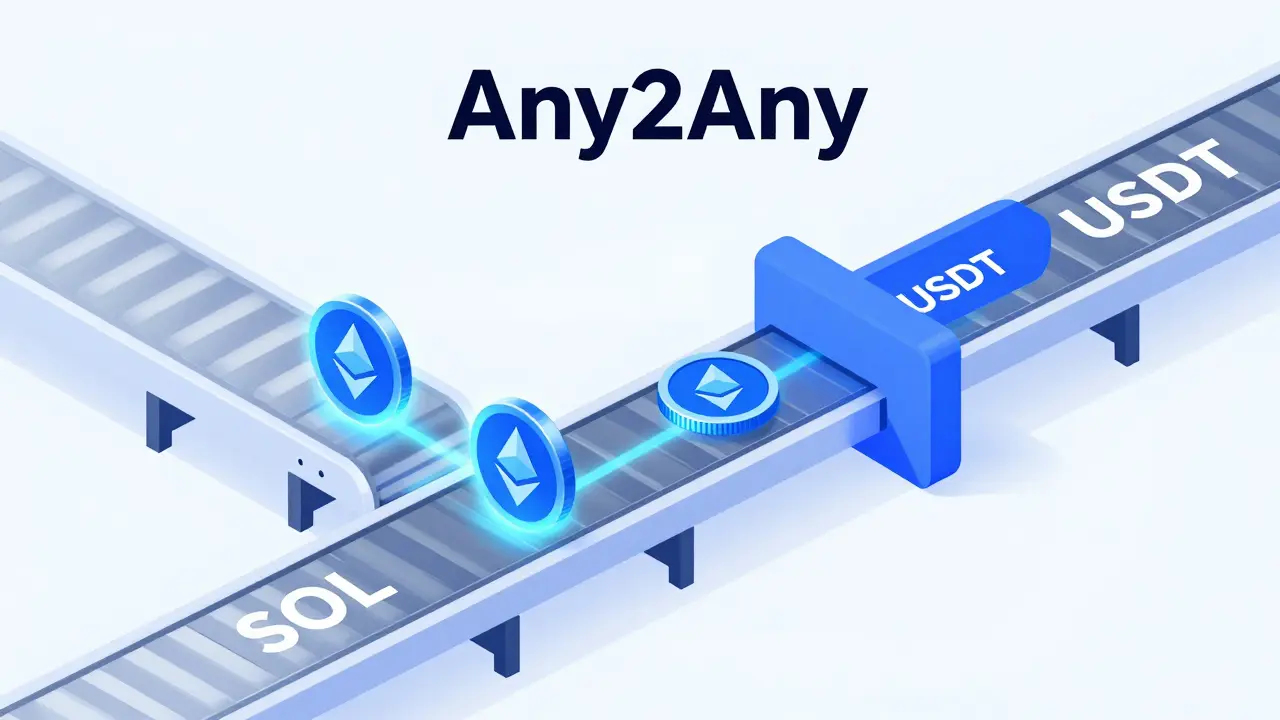
Finding a trading platform that doesn't force you to jump through five different hoops just to swap one coin for another is a rarity. Most of us are used to the "BTC or USDT bridge"-where you have to sell your altcoin for Tether, then use that Tether to buy your next asset. 50x is a cryptocurrency exchange and liquidity aggregator that claims to eliminate this friction through a system called Any2Any trading. Registered in Saint Vincent and the Grenadines and originally launched as STeX back in 2018, it positions itself as a hub for high-leverage traders and those hunting for deep liquidity across thousands of pairs. But does the reality match the marketing? Let's look at what actually happens when you trade on 50x.
The Core Mechanic: What is Liquidity Aggregation?
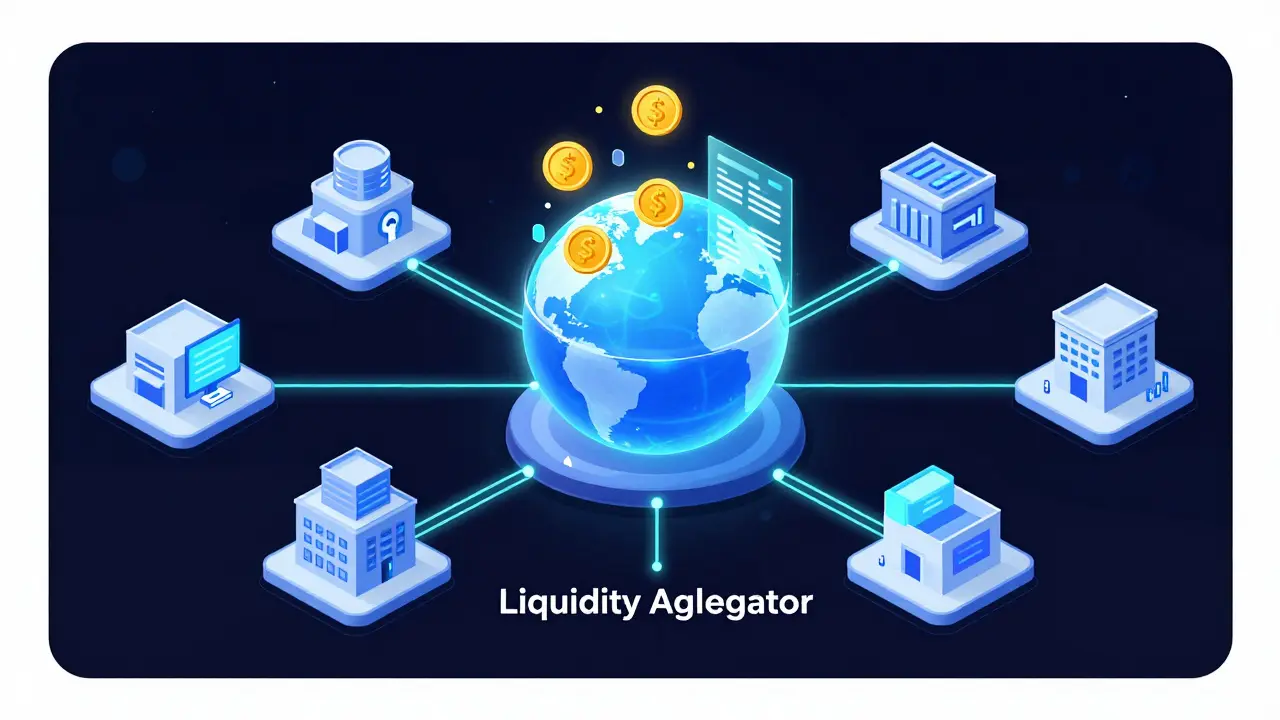
Most exchanges are "silos." If you trade on a standard platform, you are limited to the buyers and sellers currently on that specific site. 50x takes a different approach. It acts as a Liquidity Aggregator a service that combines order books from multiple different cryptocurrency exchanges into one single interface . In theory, this means you get better prices because the platform is scanning multiple markets to find the best available rate.
The platform makes a bold claim: it allows you to trade over 10,000 coins and cross rates in one place. To put that in perspective, a giant like MEXC usually lists around 2,200 assets. While 10,000 sounds incredible, it's a claim that's hard to verify independently. If you're a trader who specializes in "micro-cap" gems or obscure tokens, the idea of a single dashboard for everything is a huge draw. However, keep in mind that aggregating liquidity doesn't always mean the trades are executed instantly on the primary chain; it often involves complex routing that can affect speed.
Trading Experience and Any2Any Functionality
The standout feature here is undoubtedly Any2Any trading a trading mechanism that allows the direct exchange of any supported cryptocurrency for another without an intermediary asset . Imagine swapping Solana (SOL) directly for Ethereum (ETH) without first converting SOL to USDT and then USDT to ETH. It saves time and, more importantly, it saves you from paying double trading fees.
For intermediate to advanced traders, this streamlines the workflow. You aren't managing a massive pile of "bridge assets" in your wallet; you're just moving from Asset A to Asset B. This is particularly useful during volatile market swings where every second spent in a conversion process could mean the difference between a profit and a loss.
Breaking Down the Costs: Fees and Withdrawals
When you're trading with leverage, fees eat your margins quickly. 50x uses a simplified pricing model. Instead of the complex tiered systems found on platforms like Binance , where your fees drop based on how much you trade or how many BNB tokens you hold, 50x sticks to a flat rate.
| Fee Type | 50x Rate | Industry Average | Verdict |
|---|---|---|---|
| Maker/Taker Trading Fee | 0.20% | ~0.25% | Slightly Cheaper |
| BTC Withdrawal Fee | 0.0005 BTC | 0.00053 BTC | Competitive |
A 0.20% flat fee is reasonable for a casual trader, but if you're a high-volume "whale," this might actually be more expensive than other options. For instance, some pro-tier exchanges offer maker fees as low as 0.02% for those doing millions in volume. At 50x, whether you trade $100 or $100,000, you're paying the same percentage. It's predictable, but it doesn't reward loyalty or scale.
Security and Regulatory Red Flags
Here is where we need to be honest. 50x is registered in Saint Vincent and the Grenadines . In the world of finance, this is often seen as a "light-touch" jurisdiction. It means they aren't under the same strict oversight as a platform like Kraken , which operates under rigorous U.S. compliance frameworks.
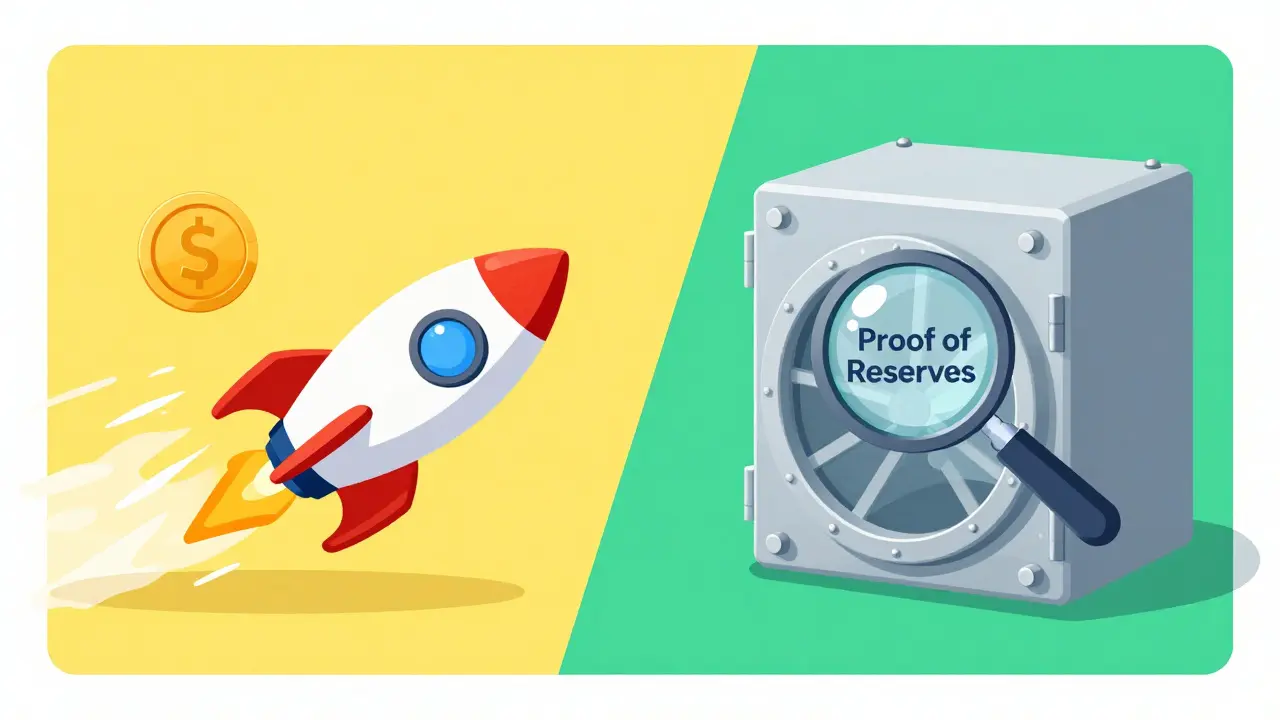
While the platform mentions "robust security features," there is a noticeable lack of third-party security audits or a public "Proof of Reserves" (PoR) report. In the post-FTX era, transparency is everything. If an exchange can't prove it actually holds the assets it claims to manage, you're essentially trusting the founders' word. The lack of a detailed security whitepaper is a significant gap for a platform that handles high-leverage trades.
Comparison: 50x vs. The Giants
If you're deciding between 50x and a top-tier exchange, the trade-off is usually between convenience/variety and security/scale.
- 50x: Best for those who want to trade a massive variety of coins (via aggregation) and hate using USDT as a middleman.
- Binance/OKX: Best for those who need massive volume, institutional-grade security, and tiered fee discounts.
- MEXC: Best for those chasing extreme leverage (up to 200x) and a huge list of verified altcoins.
The biggest risk with 50x is the "unverified" nature of its claims. While they say they are the "1st aggregator of crypto liquidity," other platforms do similar things. The lack of a massive, vocal community on Reddit or Trustpilot suggests that while it's been around since 2018, it hasn't captured the mainstream market.
The Verdict: Should You Use 50x?
If you are an experienced trader who understands the risks of offshore exchanges and you really need that Any2Any functionality to move between obscure assets, 50x is a tool worth exploring. The flat fees are fair, and the interface is designed for efficiency.
However, if you're a beginner or someone who prioritizes the safety of their capital over the convenience of a trade, the lack of regulatory transparency is a dealbreaker. You're better off with a platform that provides a transparent Proof of Reserves and operates in a more regulated region. In the current market, it's better to be a little slower in your trades than to lose everything to an exchange with a "light" regulatory footprint.
Is 50x a legitimate cryptocurrency exchange?
50x (formerly STeX) has been operational since 2018, which suggests a level of sustainability. However, it is registered in Saint Vincent and the Grenadines, a jurisdiction known for lower regulatory oversight. There are no widely available third-party security audits, so users should exercise caution and avoid storing large amounts of capital on the platform long-term.
How does Any2Any trading work on 50x?
Any2Any trading allows you to swap one cryptocurrency directly for another without needing an intermediary asset like Bitcoin (BTC) or Tether (USDT). For example, you can trade Cardano (ADA) directly for Polkadot (DOT), reducing the number of transactions and the total fees paid during the process.
What are the trading fees on 50x?
50x charges a flat trading fee of 0.20% for both makers and takers. This is slightly lower than the global industry average of 0.25%, but it lacks the tiered pricing (lower fees for higher volume) found on larger exchanges like Binance.
What is the maximum leverage offered by 50x?
While 50x emphasizes high-leverage trading in its branding, specific maximum leverage limits are not publicly documented in the same way as competitors like MEXC (200x) or Binance (125x). Users should check the current trading pairs within the platform for real-time leverage options.
Does 50x provide customer support?
Yes, the platform claims to provide 24/7 customer support. However, there is very little independent user data or satisfaction scores available to verify the actual speed or quality of their response times.
21 Comments
Any2Any trading is definitely a huge time saver if you're jumping between small caps.
Saint Vincent and the Grenadines... huge red flag!!! No PoR is just insane in 2025!!!
I wonder how the routing actually works on the backend... is it just a series of internal swaps or are they actually hitting multiple order books in real-time??
honestly just stick to the big ones if you care about your money man... aggregation sounds cool but the risk of a rug pull on an offshore exchange is just too high
slippage on those micro-cap pairs is probably brutal even with an aggregator setup since the depth isn't actually there across all venues
It's always helpful to remember that while the fees are flat, the risk profile changes based on where you're from. If you're using this, definitely only keep what you're trading in the account and move the rest to cold storage immediately!
the idea that anyone thinks 0.20 percent is competitive when you can get near zero on some tier 1 platforms if you actually have a brain and use a rebate system is just hilarious and shows how little people understand about high volume market making and the actual cost of liquidity provision in the current macro environment
There is something almost poetic about the tension between the desire for seamless movement through digital assets and the inherent fragility of the institutions we entrust them to, especially when those institutions are based in jurisdictions that practically invite opacity.
The sheer lack of professionalism regarding their security audits is simply appalling. One would expect a platform claiming to be a leader in liquidity to provide at least a shred of verifiable evidence regarding their reserves, yet they offer nothing but marketing fluff.
i used them for a bit back in the day and the UI was a bit clunky but the any2any thing is legit handy for when you dont want to deal with usdt. just dont keep your life savings there lol
10,000 coins is absolute madnes!! How do they even manage the API feeds for that many assets without the whole thing crashing every five minutes??
Oh great, another "revolutionary" exchange in a tax haven. I'm sure it's totally safe and not at all like every other platform that disappeared overnight. Truly a miracle of modern finance.
just be safe everyone out there the crypto world is wild and we gotta look out for each other keep those keys safe and dont gamble more than you can lose
Aggregation is useful, but execution latency can be a problem during high volatility.
I tried to withdraw some tokens last month and it took way longer than it shouldve. be careful with your depozits guys
It's actually disgusting that these platforms get away with such a lack of transparency. We've seen this movie before with FTX and Celsius, and yet people still fall for the "convenience" of a better UI over actual safety. Get your act together!
Waste of time. No PoR means no trust.
typical westerner fear of offshore platforms lol we in india use these all the time and it is much bettr than the restrictive garbage you have in US markets
Utility over trust is a dangerous trade.
Specify the exact latency overhead for Any2Any trades compared to standard pairs.
It's just so heartbreakingly typical of this industry to prioritize a "feature" like Any2Any over the basic human right to know where your money is actually being held.
We are basically gambling on the integrity of strangers in a tropical paradise while pretending it's "strategic investing."
The drama of the crypto crash was a warning, yet we just keep dancing on the edge of the abyss for the sake of saving a few clicks in a swap. It's almost a tragedy of the commons where the commons is just a digital ledger in the Caribbean. We crave the efficiency of the future but we're using the trust mechanisms of a Wild West gold rush. I can't even wrap my head around why people are okay with this level of risk in 2025. It's like jumping into a pool without checking if there's actually water in it. Just because the diving board looks fancy doesn't mean the landing is soft. We need to stop pretending that "liquidity aggregation" is a substitute for regulatory oversight. It's not a feature, it's a distraction. My soul practically aches for the simplicity of just owning a physical asset. The digital void is just too deep. I'll stick to my cold wallet and my peace of mind. Let the chaos reign elsewhere.